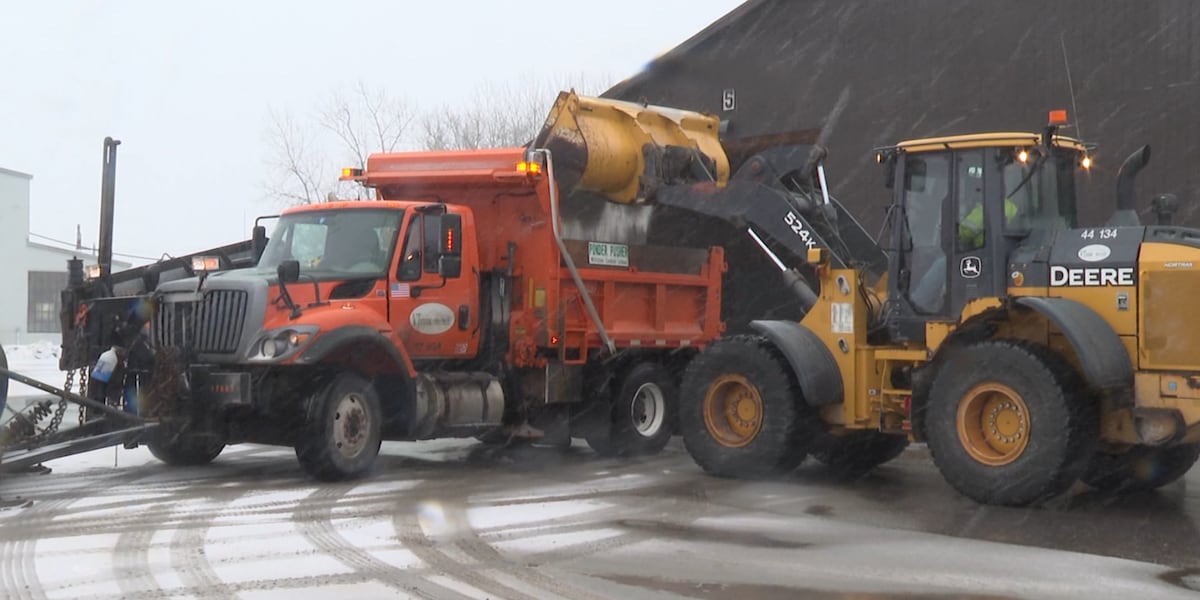
Vermont Governor Phil Scott Vetoes Road Salt Runoff Bill Citing Liability Risks
Montpelier, VT — Vermont Governor Phil Scott has officially vetoed Senate Bill 218, a key environmental measure aimed at reducing road salt runoff to protect water quality and vehicles from corrosion. The decision came down Wednesday, immediately halting efforts to enforce stricter salt-application practices statewide.
The bill was designed to set best practices for road salt use, with the goals of curbing rust damage on cars and limiting the harmful effects road salt runoff has on local waterways. However, Governor Scott emphasized serious concerns over potential legal consequences for municipalities and businesses prescribing lower salt use during winter months.
In an official letter addressing lawmakers, Governor Scott stressed the risk of escalating lawsuits from slip-and-fall accidents if roads and walkways aren’t adequately salted. He called for lawmakers to revise the bill by adding a provision shielding towns and private entities from this new legal exposure, expressing that current wording would instead increase the financial burden on residents and communities across Vermont.
“Lawmakers should add a provision relieving municipalities and private entities of this new legal risk rather than increasing the financial burden of this policy on Vermonters.” – Gov. Phil Scott
Why This Matters NOW
This veto spotlights the ongoing tension between environmental policy and public safety liability — a dilemma facing states across the Northeastern US and northern Midwest that battle severe winter weather annually. The issue is particularly important as municipalities balance ecological stewardship with keeping streets and sidewalks safe in freezing conditions.
For Kentucky readers and residents in comparable climate zones, this decision resonates with broader infrastructure and environmental challenges. Similar salt runoff concerns threaten waterways in Kentucky, especially around industrial and urban areas connected to the Ohio River basin.
Next Steps and What to Watch
Legislators in Vermont now must reconsider Senate Bill 218 or craft a new approach that addresses Gov. Scott’s liability concerns. Advocates for environmental protections are pushing for solutions that do not compromise public safety or leave towns vulnerable to lawsuits. In the meantime, the absence of a salt-use standard means no immediate changes will be made to salt application practices in Vermont.
Across the US, this debate underlines the increasing pressure on states to create balanced environmental policies that reduce pollution but also protect their citizens and economic interests from unintended risks.
For Kentucky and other states facing winter road salt runoff, this veto serves as a key case study on negotiating environmental priorities against legal and safety realities.