Freemasons Break Silence on Their Lives, Support, and Charity Work
The ancient fraternity of Freemasons is stepping out of the shadows to reveal intimate personal stories, strong support networks, and extensive charitable efforts that challenge their long-held secretive image.
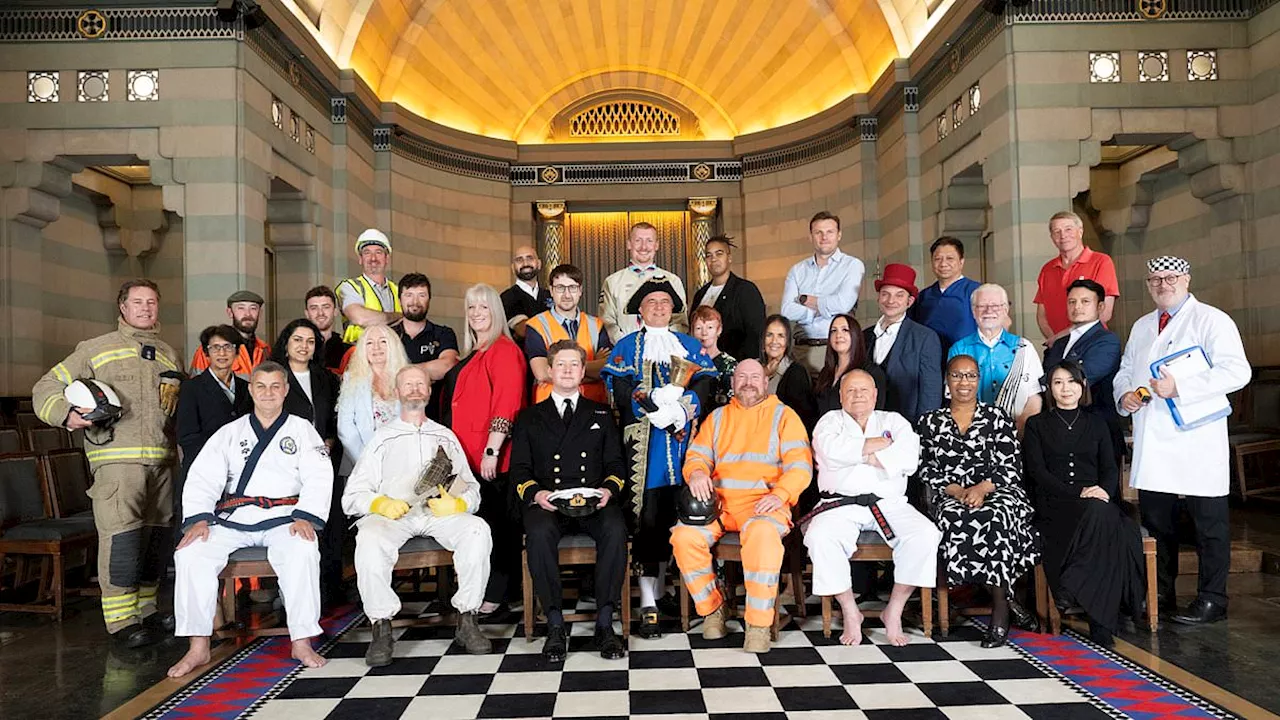
For over 300 years, Freemasonry has maintained an aura of mystery—linked to secret rituals, enigmatic symbols, and whispered rumors. However, 30 diverse members recently shared compelling insights about how the fraternity profoundly impacts their lives and communities.
Real People Behind the Secrecy
This group includes a firefighter, a train driver, a beekeeper, an actress, an electric vehicle salesman, and more, spanning a wide range of backgrounds, ages, ethnicities, and orientations. From Ben Evans, a gay train driver who proudly faced homophobia outside the lodge but found acceptance inside, to Mark Marshall, a young developer boosted from mental health struggles to renewed confidence, their stories reveal a surprising human side.
“Freemasonry gave me purpose and a family,” said Matthew Wintle, a first responder, describing the fraternity as his “church” amid the chaos of his demanding job. Others credit Freemasonry for healing loneliness, depression, and even dementia, as former brain-injury patient and chef Vincent Geluz-Bustos shared improvements in memory and mindset since joining.
Brotherhood, Sisterhood, and Charity in Action
Despite the secrecy about rituals involving aprons, gloves, and handshakes, members emphasize the fraternity’s core values: moral improvement, fellowship, and generous charity. Youth-centric lodges, such as the one led by scout leader Josh Lee-Taylor, dedicate funds and volunteer hours to local groups. The philanthropy spans across communities, often quietly supporting individuals and disaster relief efforts, with tens of thousands of dollars and hours donated annually worldwide.
Notably, Ben Evans recounted using Masonic support to serve on the front line in Ukraine, driving a field ambulance to evacuate casualties, a testimony to the fraternity’s modern-day reach and humanitarian impact.
Breaking Stereotypes Amid Conspiracy Theories
Members acknowledge ongoing conspiracy theories about Freemasonry involving corruption, occultism, and even JFK’s assassination. However, they stress these rumors are far from reality. “We’re just normal people, probably a little nicer than most,” said various interviewees.
Mitch Bryan, an electric vehicle sales executive, called it “positive masculinity” and valued the non-hierarchical atmosphere where millionaires and everyday workers meet equally. Female Freemasons like My Cameron-Dungey and Cherise Shade highlighted rising numbers of women joining and how the fraternity fosters confidence and inclusion.
Support Networks That Save Lives
The fraternity also plays a vital role as a mental health lifeline. Members often serve as mental health first aiders within their lodges, providing emotional support and a dependable community. This network helped member Oliver-Rupert Pelendrides through divorce and kept many others grounded during difficult times.
Ben Glazier, a beekeeper, emphasized the fraternity’s ethical code focused on honesty and charity, summarizing it as “making good men better” and reducing selfishness in a world thirsty for kindness.
Freemasonry’s Future and Growth in America
With over 170,000 members in the UK alone and over 30,000 in the Philippines, Freemasonry remains vibrant globally. Student lodges are opening in places like Derby, Oxford, and Cardiff, signaling renewal and growth.
For American readers, the fraternity offers a glimpse at a centuries-old organization evolving toward transparency while holding tightly to its values of fellowship and charitable giving that resonate across communities, including here in Kentucky and beyond.
As outlooks shift, more people are curious about how Freemasonry could enrich their lives, offering a supportive “family you can choose,” as Lianne Mason, a recent inductee, put it.
Freemasons’ voices now join a chorus inviting the world to reconsider them—not as mystics or conspirators, but as neighbors, friends, and generous souls building better communities in real time.