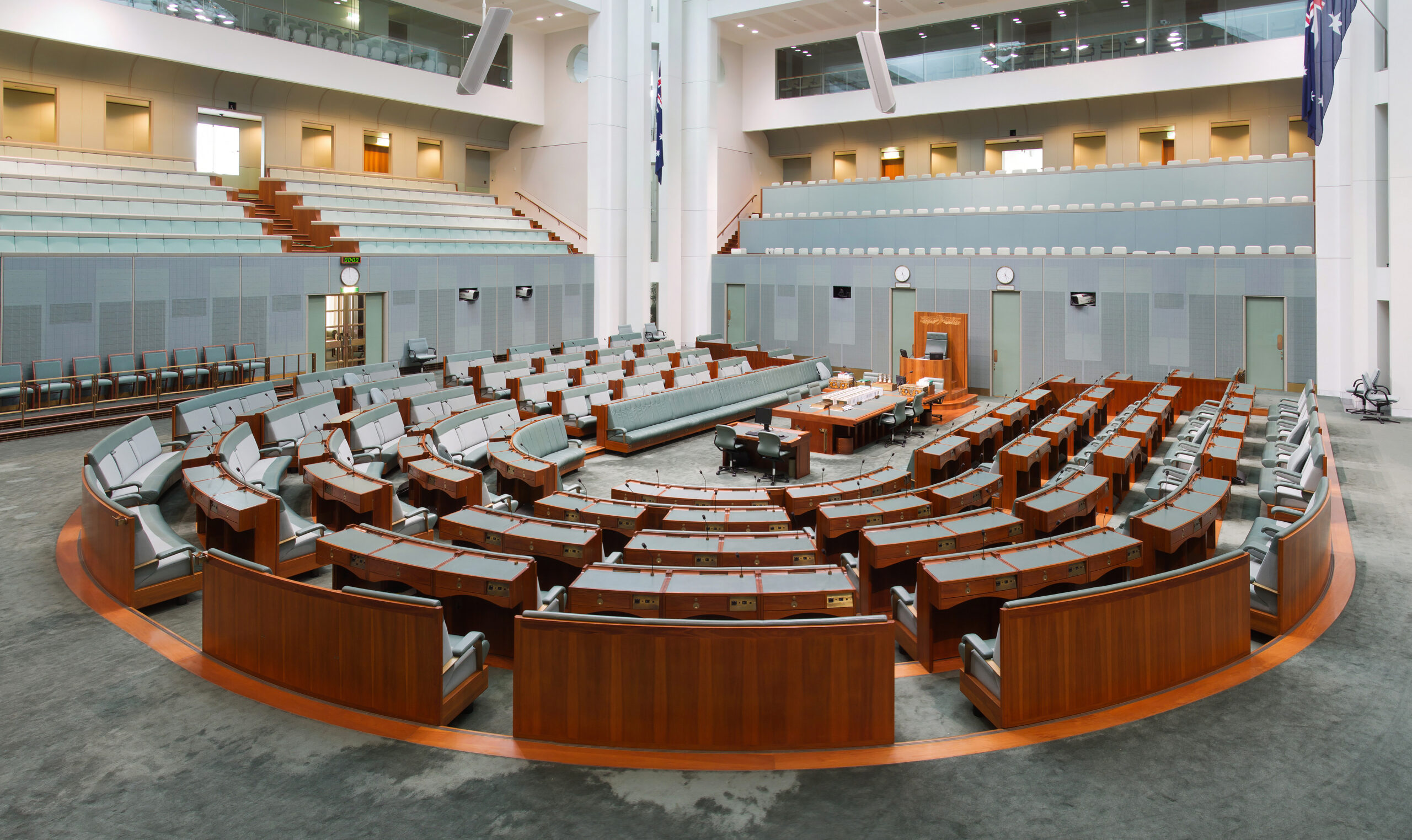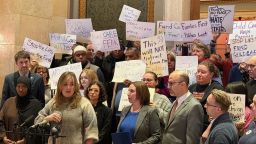
During a contentious hearing held by the House Oversight Committee on March 15, 2024, Republican lawmakers from Minnesota accused local Democrats of failing to address significant fraud involving taxpayer-funded child care aid. The allegations suggest that criminals misappropriated funds to purchase luxury properties, including homes and cars, even abroad in locations like Turkey and Kenya. The hearing has sparked intense political debate, becoming a focal point for national discussions on fraud and accountability.
Tensions escalated quickly as lawmakers clashed over the handling of the fraud allegations. Witnesses, including Rep. Kristin Robbins, Rep. Walter Hudson, and Rep. Marion Rarick, provided testimony asserting that Minnesota Governor Tim Walz was aware of the fraud but failed to act. Robbins, who chairs the state’s fraud prevention committee, stated that reports of such fraud date back to 2011, emphasizing that the Walz administration had neglected warnings for years.
The hearing’s atmosphere was marked by partisan outbursts, with accusations flying between representatives. The discussions often veered off-topic, leading to more political sparring than substantive dialogue. Rep. Robert Garcia, a Democrat from California, attempted to steer the conversation back to accountability by referencing a separate shooting incident involving ICE agents in Minneapolis, which he labeled a “horrific killing.” His comments added another layer of tension to the proceedings as the committee grappled with broader issues of public safety and governance.
As the hearing unfolded, Robbins claimed that whistleblower reports indicated millions of dollars had been lost to day care fraud, particularly within the Somali community. This claim was linked to the Feeding Our Future scandal, where federal charges were brought against numerous individuals, many of whom were Somali, for allegedly faking claims of providing meals during the pandemic. Robbins asserted that political motivations may have led the Walz administration to overlook these issues, suggesting that the Democratic leadership had a vested interest in maintaining the support of its Somali constituents.
Rep. Brandon Gill from Texas asked the Minnesota lawmakers pointed questions about whether the Walz administration intentionally ignored fraud allegations for political gain. All three Republican witnesses responded affirmatively, citing whistleblower reports as evidence of negligence. The implications of this claim raised eyebrows, particularly as the 2024 presidential election draws closer.
Democratic representatives, including Rep. Rashida Tlaib, voiced concerns that the focus on the fraud allegations could fuel racial stereotypes against the Somali community. Tlaib urged her colleagues to ensure that their investigations did not perpetuate harmful narratives about immigrants and Muslims. Her call for caution resonated with other Democrats who echoed fears of xenophobia, framing the hearing itself as potentially racist in nature.
The debate intensified when Rep. Jim Jordan of Ohio dismissed the racial allegations as a common tactic used to deflect attention from the fraud. He argued that crime should be addressed regardless of the perpetrators’ backgrounds. This perspective was met with resistance from several Democratic members, who contended that the framing of the issue had broader implications for the Somali community.
While the hearing primarily focused on fraud allegations, it also highlighted deeper societal issues. Rep. Kweisi Mfume of Maryland criticized the line of questioning directed at the Somali community, comparing it to asking for opinions on other minority groups. His comments underscored the sensitivity surrounding discussions of race and ethnicity in political contexts.
As the hearing concluded, Rep. Ayanna Pressley introduced a motion to subpoena the Department of Homeland Security for documents and footage related to the Minneapolis shooting. This motion ultimately failed after a tie vote, illustrating the fractious nature of the proceedings.
The ongoing investigation into fraud in Minnesota serves as a reminder of the complexities surrounding governance and accountability, particularly in a politically charged environment. As the situation develops, many are calling for a balanced approach that addresses fraud while respecting the diverse communities involved. The outcomes of these hearings may have lasting implications for both state and national politics as the 2024 elections approach.