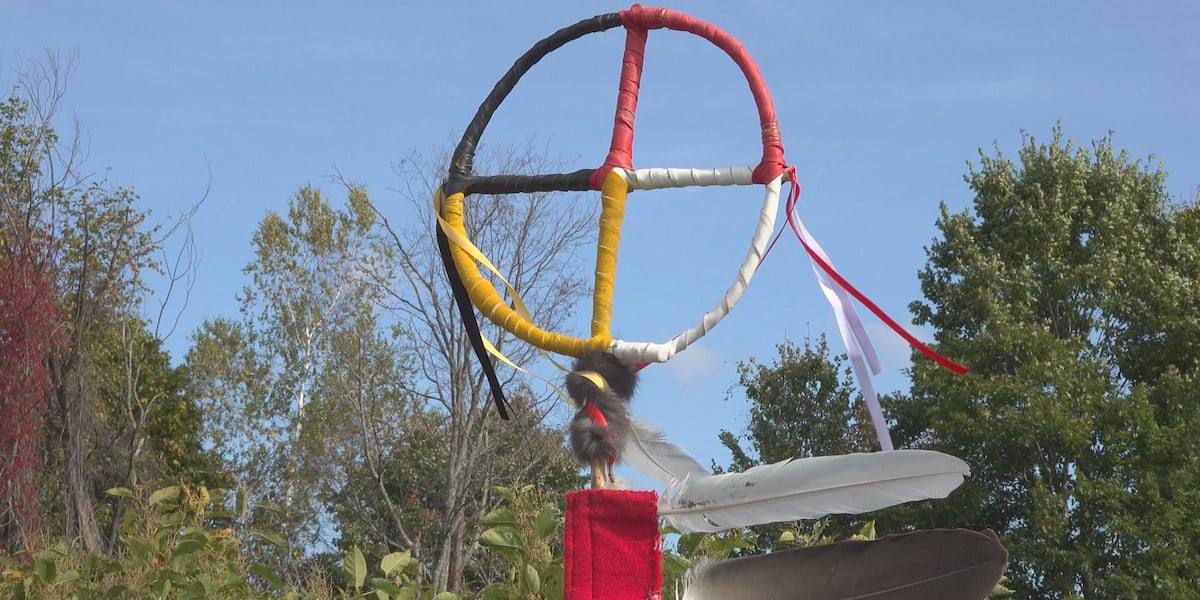
Vermont Grants Historic State Recognition to Abenaki Tribe
Vermont made a landmark move on May 3, 2006, when Governor Jim Douglas signed a law officially recognizing the Abenaki people as the state’s Indigenous inhabitants. This decisive action comes after decades of relentless advocacy by Abenaki leaders and community members seeking acknowledgment that had been denied at the federal level.
This recognition is urgent and meaningful for the tribe, confirming their deep cultural roots and historic presence across the region. While federal recognition was denied — blocking land claims and economic avenues such as casinos — Vermont’s state recognition now safeguards the Abenaki’s ability to preserve their language, traditions, and history.
“Vermont’s history and heritage are very special indeed. History is important to Vermonters because it allows us to understand who we are,” Governor Douglas said during the signing ceremony.
Supporters emphasize that this law is long overdue, affirming that the Abenaki are the original stewards of the land. For readers across Kentucky and the United States, this development marks a broader trend toward recognizing Indigenous histories and rights at local levels where federal processes stall.
Three Years Earlier, New Hampshire Lost Its Iconic Natural Landmark
On the same date three years prior, May 3, 2003, New Hampshire experienced a stunning natural event: the collapse of the Old Man of the Mountain, a granite rock formation on Cannon Mountain renowned for resembling a man’s profile. This natural icon had stood for an estimated 10,000 years, symbolizing the spirit and identity of New Hampshire.
The Old Man was not only a beloved natural wonder but also a cultural emblem, featured on license plates, state quarters, and countless souvenirs. Its sudden fall was a stark reminder of nature’s ultimate control over even the most enduring landmarks.
For audiences in Kentucky and across the country, the loss of the Old Man illustrates the fragility of natural heritage sites and underscores the ongoing need to honor and preserve cultural and natural histories.
Why This Matters Now
Vermont’s move to officially recognize the Abenaki tribe signals a growing momentum across the United States for states to counterbalance stalled federal recognition processes. This recognition affects cultural preservation, state identity, and legal rights tied to Indigenous communities.
At the same time, remembering the collapse of New Hampshire’s Old Man of the Mountain calls attention to the impermanence of natural icons that help shape local identities. Both events, linked by the May 3 date, resonate deeply in how communities understand their past and face the future.
Government officials, historians, and Indigenous leaders alike are watching as Vermont sets a precedent that may inspire other states and tribal nations to pursue similar recognition efforts or memorialize important cultural landmarks.
What’s Next
Vermont officials plan to support ongoing initiatives that strengthen the Abenaki community’s cultural, educational, and historical programs, while advocates push for further federal engagement. Meanwhile, New Hampshire continues to honor the Old Man through monuments, educational programs, and tourism initiatives developing around the memory of the vanished formation.
For Kentucky readers, these stories from the Northeast provide a timely reminder of the power of state-level leadership in preserving heritage, whether Indigenous culture or natural landmarks, as communities nationwide grapple with issues of identity and legacy.