Trump Administration Imposes Sweeping May Day Sanctions on Cuba
The Trump administration has sharply intensified pressure on Cuba, issuing an executive order that expands sanctions amid Cuba’s dire economic crisis. The move came on May Day, International Workers’ Day, sparking immediate outrage from Havana’s leadership.
President Donald Trump signed the order on Friday, amplifying existing restrictions as Cuba faces economic collapse worsened by a recent blockade of vital oil shipments reportedly involving Delta Force operatives. The sanctions target Cuba’s government, citing threats to U.S. national security and foreign policy interests.
Cuba Condemns Actions as ‘Collective Punishment’ of Its Citizens
“These are unilateral coercive measures, amounting to collective punishment on the Cuban people,” Cuban Foreign Minister Bruno Rodriguez declared immediately after the announcement.
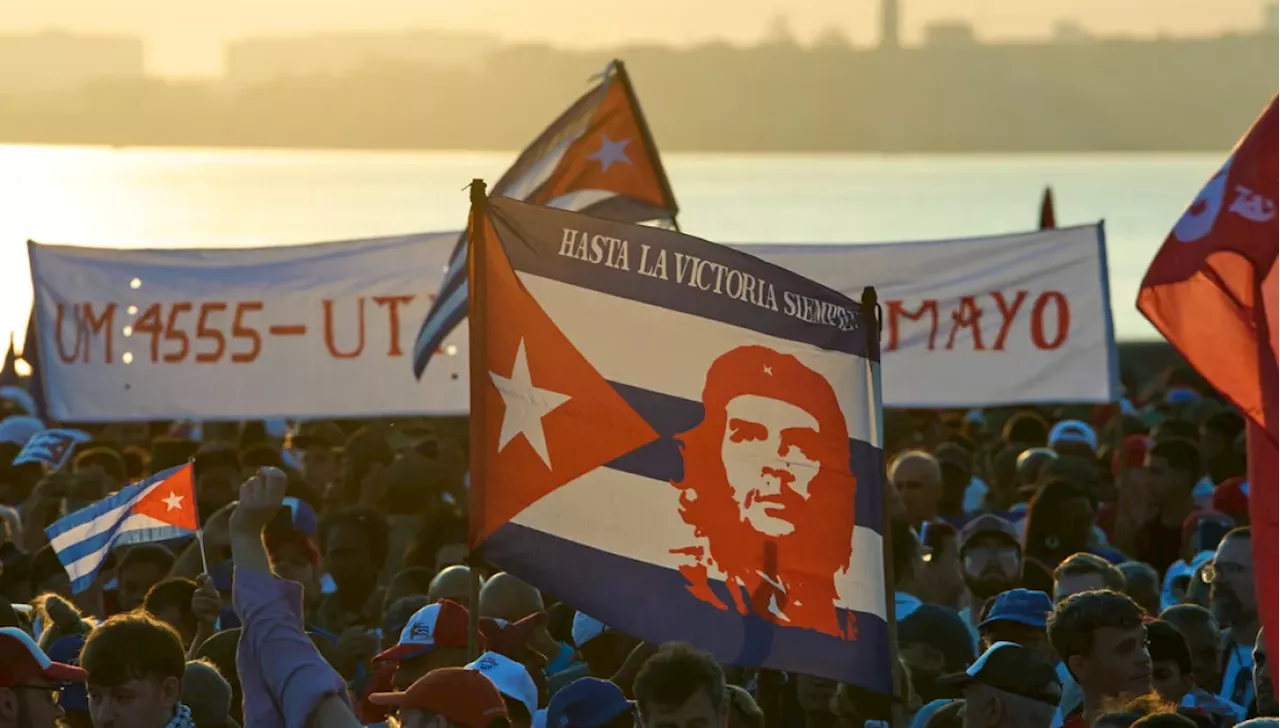
Rodriguez emphasized the symbolic timing of the sanctions, noting it coincides with millions of Cubans protesting U.S. sanctions and the ongoing energy blockade. “While the U.S. represses its own people in the streets, it seeks to punish ours who are heroically resisting U.S. imperialism’s attacks,” he said in a forceful rebuke.
Expanded Sanctions Amid Economic Crisis Raise Stakes in U.S.-Cuba Tensions
The executive order describes Cuban government policies as an “unusual and extraordinary threat” to U.S. security and condemns them as hostile to “free and democratic” values. The sanctions widen the scope of restrictions at a critical moment when Cuba is grappling with deepening shortages and economic instability exacerbated by prior U.S. measures.
Significantly, the new sanctions follow reports that a special U.S. military unit disrupted Cuba’s central oil supply route earlier in the year, compounding the island’s energy crisis. The Trump administration has signaled intentions to maintain a hardline posture against Cuba, especially as it shifts geopolitical focus after tensions with Iran.
What this Means for Cuban-Americans and U.S. Policy
For communities in Kentucky and across the United States, particularly Cuban-Americans and advocates for U.S. diplomatic engagement, this move marks a turbulent escalation with potential economic and humanitarian consequences. As Cuba’s economy teeters on the brink, these sanctions could deepen hardships for ordinary citizens despite official U.S. intent targeting the Cuban government.
Policy experts and human rights groups are expected to scrutinize this development closely, considering its implications for U.S. relations in the Western Hemisphere and the humanitarian situation on the island.
Looking Ahead: Tensions Set to Rise
The Cuban government claims it will continue resisting what it calls “U.S. imperialism” despite mounting pressures. The Trump administration, citing national security threats, appears poised to maintain or increase economic sanctions in coming months.
As of now, there is no indication U.S. sanctions relief will be forthcoming, raising concerns about how the Cuban population will cope with intensified restrictions amid ongoing political and economic turmoil.
For American readers following foreign policy and international humanitarian issues, this is a critical moment signaling deepening U.S.-Cuba conflict with direct human costs.
Kentucky Insider will provide ongoing coverage and analysis as this story develops.