
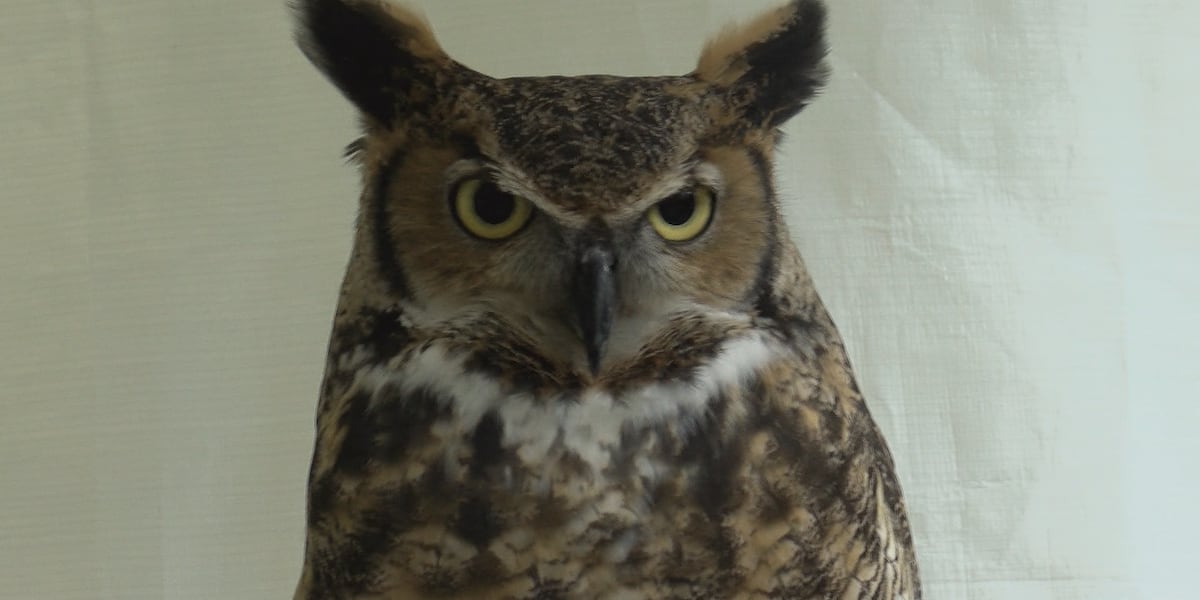
HINTON, W.Va. — The Three Rivers Avian Center has opened its gates to the public, revealing a stark warning about the plummeting numbers of migratory birds across the region. Located on a sprawling 100-acre preserve near Hinton, the nonprofit sanctuary showcased its thirteen ambassador birds and highlighted a shocking 52% decline in migratory bird populations over the past two decades.
The center, founded in 1990, serves as both an educational facility and a wildlife rehabilitation hub, striving to protect and conserve native bird species. Visitors touring the facility can now meet key residents including owls, crows, and even majestic bald eagles, guided by staff ready to share the urgent message behind the drop in bird numbers.
Wendy Perrone, Executive Director of the Three Rivers Avian Center, stressed the critical nature of the situation.
“In the last twenty years, we’ve lost 52% of the migratory birds that used to fill our skies and so it’s really bad situation right now and if we can get people to understand what they can do their day-to-day lives to help wild birds, we may be able to turn this disaster around,”
Perrone said.
The center relies heavily on private donations and grants to maintain operations, feeding healthy birds and providing veterinary care for injured wildlife. Its new public tours are designed both to raise funds and awareness, offering an immersive experience that connects the community with local wildlife conservation efforts.
The initiative also aims at empowering individuals with knowledge and practical steps they can take at home and in their neighborhoods to support bird populations, such as creating bird-friendly habitats and reducing hazards.
Located in the forests of southern West Virginia, the Three Rivers Avian Center’s open house and tour events are part of a growing roster of activities planned throughout the summer. These efforts are key to sustaining the center’s work amid what Perrone calls a “disaster” for North America’s treasured migratory species.
For readers in Kentucky and beyond, the loss of migratory birds holds both ecological and emotional resonance—these birds traverse states and regions, maintaining the balance of natural ecosystems and enriching public spaces nationwide. The center’s message is clear: urgent action and awareness are necessary starting now.
Visitors eager to support the cause or learn more about the center’s programs can plan visits to the facility or participate in upcoming events, contributing directly to wildlife preservation at a pivotal moment for avian populations.


