San Diego State Struggles to Compete with Power Conferences Amid Exploding Basketball Payrolls
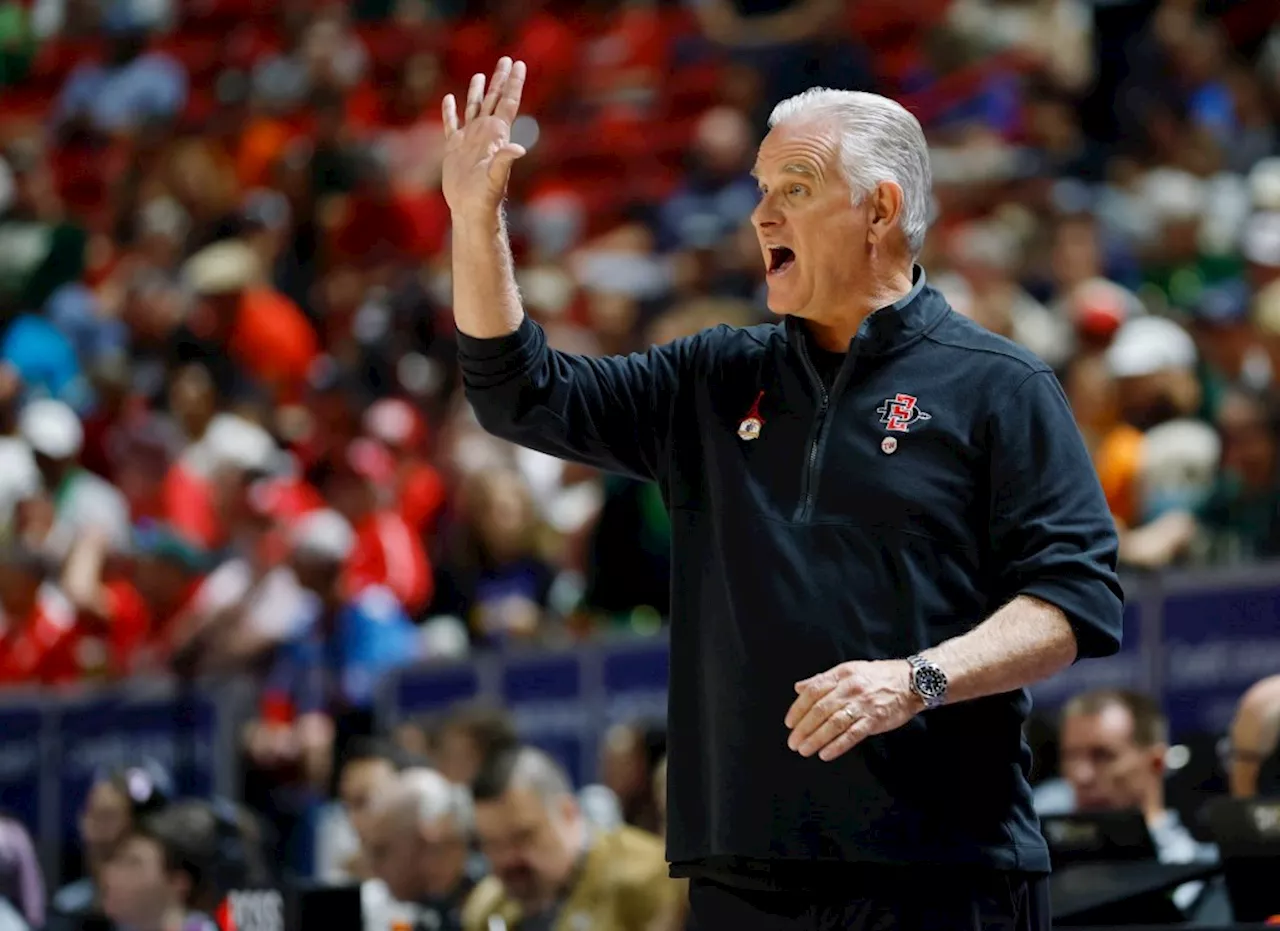
San Diego, CA – The San Diego State Aztecs men’s basketball program is grappling with the widening financial chasm in college basketball as soaring player payrolls at power conferences strain their mid-major budget. Aztecs coach Brian Dutcher confirms the mounting challenge as his team loses top talent to programs with multi-million-dollar NIL offers.
In recent months, six key players transferred from SDSU to power-conference schools, expected to receive combined NIL payouts estimated between $9 million and $10 million before bonuses. Last season, the Aztecs distributed $2.7 million to their men’s basketball players through the MESA Foundation, SDSU’s NIL collective, but next year’s budget is projected to surge to upward of $4 million to $5 million, stretching the athletic department’s resources amid mounting deficits.
“There’s a lot of money available out there, and power conference schools have more money than anybody,” Dutcher said, highlighting the reality that leaves SDSU as a “program with power-conference pedigree and a mid-major budget.” This dynamic forces the Aztecs to shift recruiting strategies, moving from attracting high-major transfers to scouring undervalued talent overlooked by richer programs.
Transfer Portal Exodus Reverses SDSU’s Pipeline
Historically, San Diego State was a sought-after landing spot for power conference transfers, gaining 26 in 23 years and losing only one back to power programs. The trend has sharply reversed in the last four years; SDSU has welcomed just one Power Five transfer—Reese Dixon-Waters from USC—while losing 11 players eastward to bigger conferences.
Recent departures include Miles Byrd (Providence), Magoon Gwath (DePaul), BJ Davis (Creighton), Pharaoh Compton (Oregon), Taj DeGourville (Nebraska), and Miles Heide (Virginia Tech). This talent pipeline reversal mirrors the expanding spending gap, threatening mid-majors’ competitiveness nationwide.
Innovative Recruiting Amid Budget Constraints
Dutcher’s Aztecs now find promising players in overlooked pools: a 6-foot-11 center returning to his hometown after knee surgery, guards rising from Division III, and international prospects like 20-year-old Italian guard David Torresani and forward Luka Skoric. Both European players bring pro experience playing against established veterans, suggesting a lateral competitive move rather than a step down.
“We’re good evaluators and we know what players have upside, work ethic, and are culture guys,” Dutcher said. “I will put a team together next year that Aztec fans will be proud of.”
Mounting Payrolls and Revenue Sharing Pressures Across College Basketball
The college basketball landscape faces an unprecedented increase in player compensation. Reports estimate that at least 20 to 25 men’s basketball teams will have payrolls exceeding $20 million next season. Even Sweet 16 programs now command at least $10 million in payroll.
Analytics experts reveal that power conferences—especially those with lucrative football TV contracts—dominate NIL and transfer funds. Power conference players transferring to other power conferences average significantly higher transfer ratings compared to those going to mid-majors, deepening the talent gap.
“The gap between college basketball’s haves and have-nots is only accelerating,” said an industry expert tracking transfer spending trends.
Future Outlook for SDSU Basketball and Mid-Majors Nationwide
With only four players returning from last season’s core roster and nine players lost to the transfer portal or graduation, Dutcher faces a significant chemistry challenge with a brand new, diverse lineup. The Aztecs’ upcoming nonconference schedule includes several power conference heavyweights, testing this new configuration early.
Despite the struggle, Dutcher remains optimistic, confident that a combination of savvy recruiting and player development will sustain competitiveness. The Aztecs are poised to finish assembling their roster with a bold mix of domestic and international talent that could quietly defy soaring market pressures.
As Kentucky and other states watch college basketball shifts unfold, the Aztecs’ battle highlights a national story: how mid-majors fight for survival amid exploding NIL markets and talent migration to power conferences shaping the future of the game.