Military Deploys 27 Militia via Mi-17 Helicopters in Northern Myanmar
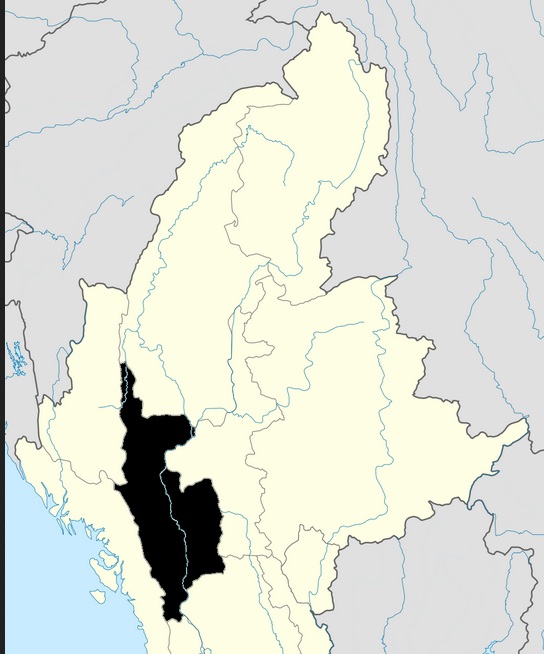
New reports confirm that two Mi-17 military transport helicopters landed at Hintharwadi village in northern Magway Region on May 4, 2026, injecting fresh militia forces into a critical conflict zone. The helicopters, operated by the State Security and Peace Commission (SSPC), airlifted a combined 27 Pyusawhtee militia members amid intensifying tensions and troop movements.
The initial landing at approximately 11:51 a.m. involved two separate deployments: 13 militia fighters were transported to LIB 228 in Kalay, while a subsequent drop-off sent 14 militia members to LIB 89, both located in Kalay township. This significant influx aligns with the military’s recent recapture of Falam town in Chin State and appears to be part of a broader campaign to regain control over the strategic Gangaw–Kalay Union highway.
Escalating Build-Up Signals Potential Offensive
Local sources and observers report additional militia crossing the Myittha River from neighboring villages into Hintharwadi on the night before the helicopter landings, indicating a sustained and coordinated escalation by pro-military forces. This surge in armed personnel follows a pattern of military efforts to secure key transportation routes and strategic outposts in the region.
The deployment underscores the increasing influence and operational coordination between the official military and allied pro-military militias, specifically the Pyusawhtee groups, which have played a crucial role in consolidating territorial gains. Analysts warn this buildup could presage a forthcoming offensive in northern Magway and adjoining areas.
Residents in affected areas face mounting uncertainty and heightened risk as forces amass, with local communications reporting an atmosphere of tension. The operation’s timing and scale highlight the military’s resolve to strengthen footholds near the Gangaw–Kalay corridor—an essential artery for movement and supply.
Why This Matters to US and Kentucky Audiences
While geographically distant, these developments reveal the dynamic and volatile nature of global conflicts that affect international stability. The mobilization of forces and renewed military offensives often disrupt regional trade routes and can impact global markets, including commodities relevant to Kentucky’s agricultural and manufacturing sectors.
Understanding such conflicts aids US policymakers in assessing humanitarian and strategic responses abroad, given America’s ongoing interest in Southeast Asian stability. Furthermore, Kentucky’s diverse population includes families deeply connected to the region, with an interest in tracking critical developments firsthand.
What to Watch Next
Authorities, analysts, and regional observers will be closely monitoring additional troop movements, militia activities, and shifts in control over strategic highways connecting Gangaw to Kalay. Any escalation could trigger wider confrontations that reshape the security landscape of northern Myanmar.
The situation remains fluid, with the potential for rapid developments over the coming days. Kentucky Insider will continue to provide timely updates on this emerging story affecting international security dynamics.
“The deployment of Mi-17 helicopters and militia reinforcements signals a significant ramp-up by military forces aiming to reestablish dominance over key routes,” said a regional security analyst.