Good Housekeeping Unveils Exacting Wash Machine Testing to Find America’s Best
The Good Housekeeping Institute is revealing how it rigorously tests washing machines to separate the truly efficient models from mere marketing hype, offering shoppers across the United States and Kentucky critical insights in real time. From stain removal to gentleness and speed, the Institute’s detailed testing process aims to guarantee that Americans invest only in the best-performing washers.
Washing machines are a major home investment, and selecting the right one is a challenge amid endless options boasting various cycles, capacities, and energy claims. The Institute’s Home Care Cleaning Lab applies industry-standard protocols developed by the Association of Home Appliance Manufacturers to ensure scientific, unbiased results, free from outside variables like detergent types or water quality.
How Washing Machines Are Put to the Test in the Lab
Experts at the Institute start with comprehensive market research, tracking innovations such as new cycle technologies and eco-friendly features by attending trade shows and consulting manufacturers. This groundwork ensures their testing lineup reflects current consumer options available in America’s stores.
Wash tests simulate real-life laundry demands by evaluating each machine across multiple load sizes and settings, including Normal, Quick Wash, and Delicates cycles. Test loads mirror everyday laundry with towels, sheets, pillowcases, and other items to capture authentic performance data across cleaning and fabric care metrics.
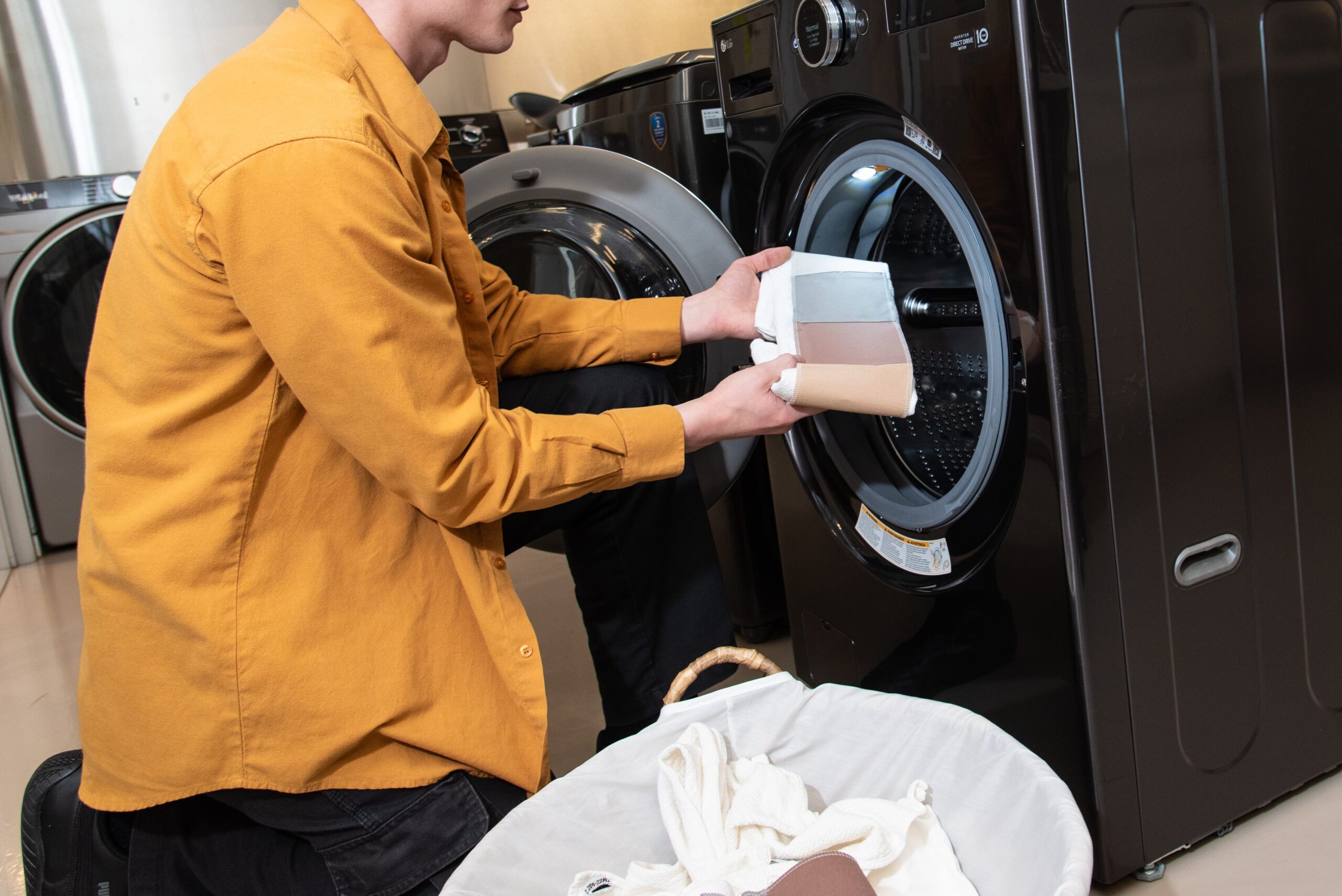
Cleaning power is assessed with scientifically created stain strips replicating common and tough soils such as body oil, wine, and blood, methodically attached to test garments. After washing, the strips are air-dried and analyzed using a colorimeter to precisely quantify stain removal effectiveness compared to unwashed references.
Fabric care is just as critical. The lab incorporates delicate cotton swatches with frayed edges to test each washer’s gentleness. Scoring is based on how many threads fray post-cycle—more fraying indicates more damage, spotlighting machines that balance cleaning strength with care.
Water extraction efficiency is measured by weighing loads before and immediately after washing. Machines that remove more water during the spin phase reduce drying time and energy use, a vital detail for cost-conscious households.
Cycle duration is recorded for every setting and load size, allowing the team to assign speed ratings. This data helps consumers weigh the trade-off between thorough cleaning and quick laundry turnover.
The lab does not overlook ease of use. User-friendliness scores consider the intuitiveness of control panels, cycle selection, detergent dispensing convenience, door design, drum visibility, and loading comfort—elements that significantly impact everyday household experience.
Finally, the Institute reviews specs like water and energy consumption, drum size, and price-performance value to provide a comprehensive efficiency overview. These metrics empower buyers to make environmentally and economically sound decisions.
Bringing Real-World Testing into American Homes
Beyond the lab, selected washers are distributed to staff testers for extended at-home use. These in-the-field evaluations reveal practical insights such as long-term reliability, noise levels during operation, sustained ease of use, and overall satisfaction, rounding out a robust picture of each machine’s performance.
The process culminates in clear product recommendations based on cross-cycle performance, fabric protection, water management, speed, and customer usability. With efficiency and capacity also weighed, the findings ensure consumers nationwide—including Kentucky residents—can trust the machines named top performers truly deliver value and quality.
Why This Matters Today More Than Ever
As energy costs rise and consumers demand more sustainable, convenient appliances, understanding exactly how washers perform matters immediately. The Good Housekeeping Institute’s transparent testing provides critical clarity, helping Kentucky and US households avoid costly mistakes on washers that don’t meet rigorous standards.
With laundry appliances expected to last years, these findings empower shoppers to invest wisely, protect delicate fabrics, and save energy and time in their daily routines.
For readers seeking the best washer recommendations backed by rigorous science and real-world validation, Good Housekeeping’s ongoing testing and expert analysis offer invaluable guidance right now.