Denver’s leading magic mushroom co-op is refusing to close despite multiple cease-and-desist orders from Colorado state regulators, setting the stage for a high-stakes legal battle over psychedelic regulation.
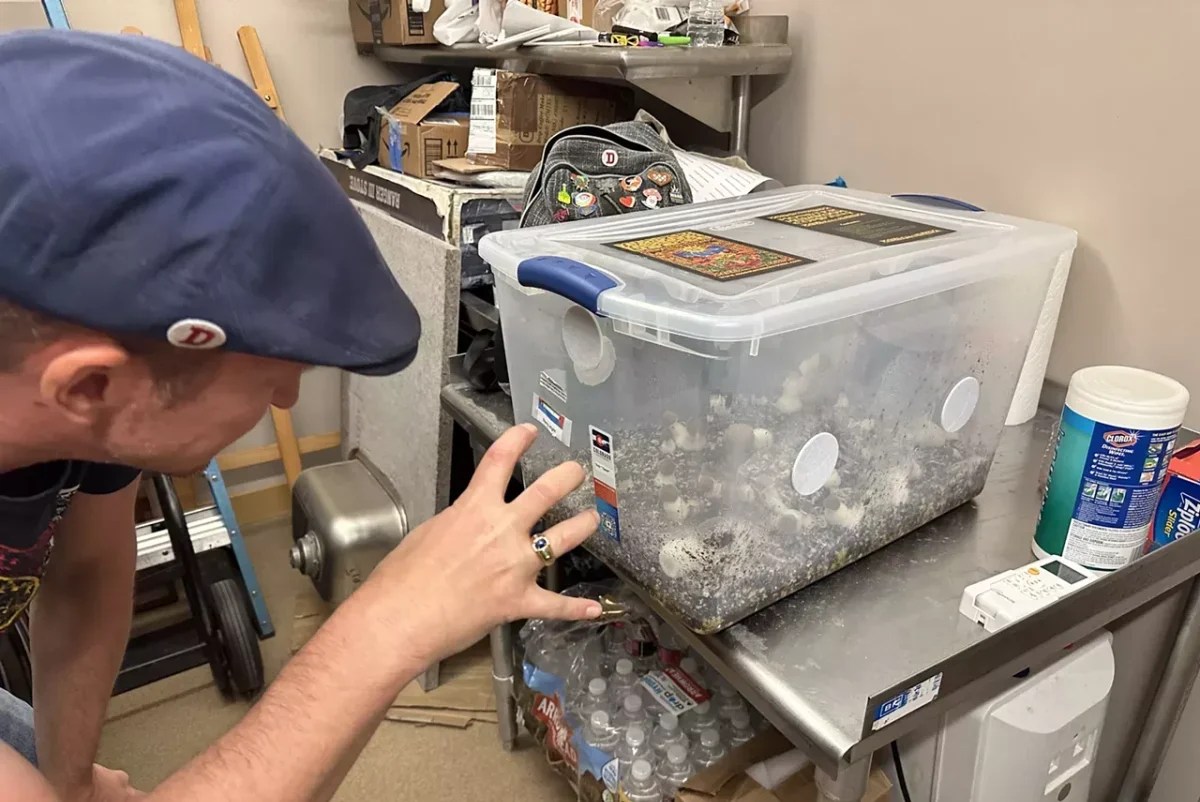
Darren Lyman, who has operated his psilocybin support service openly since 2023 at 800 West Eighth Avenue, Denver, recently received a new closure order from the Colorado Department of Regulatory Affairs (DORA), accusing him of unlicensed facilitation of psilocybin.
Lyman’s co-op provides adults 21 and older with educational sessions and resources on using psilocybin mushrooms and DMT, another psychedelic substance decriminalized but not yet legalized for therapeutic use in Colorado. His support sessions, priced between $60 and $100, offer harm reduction guidance and careful advice but do not include direct supervision or consumption on site.
State Targets Unlicensed Psilocybin Operation
Despite the co-op’s public stance on legal decriminalization and harm reduction, state regulators view Lyman’s activities as illegal commercial sales. The Colorado Natural Medicine Division (NMD), a branch of the Department of Revenue that regulates psychedelic therapies, issued the first cease-and-desist in 2023, citing the advertising and business transactions involving psilocybin as unlawful.
Lyman’s attorney, Sean McCallister, who helped draft Colorado’s voter-approved Proposition 122 legalizing psilocybin for certain uses, insists these orders overreach the law. McCallister argues the state’s interpretation threatens to undermine personal use decriminalization provisions that allow payment for harm reduction services.
“Darren is not sitting with anybody during psychedelic use nor preparing mushrooms for licensed therapy,” McCallister said. “He gives educational information and answers questions, which shouldn’t require a facilitation license.”
Legal Clash Over Harm Reduction vs. Commercialization
The heart of the dispute is the line between permissible harm reduction and unlicensed commercial activity. Colorado law allows sharing and gifting psychedelics, including psilocybin and DMT, and payment for support services—but selling psilocybin without a license remains outlawed.
DORA’s December order alleged Lyman offered “preparation, administration, and integration” services that legally require both DORA and NMD approval. Lyman and his attorney deny the co-op provided any hands-on therapeutic facilitation or spaces for psychedelic consumption, calling the enforcement “selective” and “targeted.”
The regulatory body has not commented directly, citing ongoing administrative hearings. Meanwhile, Lyman is set to appear before a DORA administrative judge and is prepared to escalate the fight to state court, potentially setting a precedent that could shape Colorado’s developing psychedelic rules.
Impact Beyond Colorado
This confrontation highlights the fragile and evolving nature of psychedelics policy nationwide, including in states like Kentucky, where interest in psychedelic therapies for mental health is growing amid legal uncertainties.
Lyman’s case underscores urgent questions around access, cost, and regulation. Licensed therapeutic sessions in Colorado typically cost $150 to $200 per dose and require strict oversight. Lyman’s more affordable, less regulated model appeals to many seeking natural medicines but clashes with state regulators determined to police the boundaries.
In response to growing enforcement pressure, more underground psychedelics support providers have surfaced across Colorado, testifying to a persistent demand for services outside state-licensed clinics.
What’s Next?
As Lyman continues operations defiantly, the state’s next moves in this regulatory showdown are closely watched by advocates and opponents nationwide. Legal experts say court rulings could clarify how harms reduction services can operate without crossing into illegal commercial facilitation.
For now, Denver’s magic mushroom co-op battles to stay open, challenging state power and redefining what legal psychedelics support means in America today.
“Darren has been very vocal about equal access to natural medicines for adults and is prepared to fight selective enforcement,” attorney Sean McCallister said.