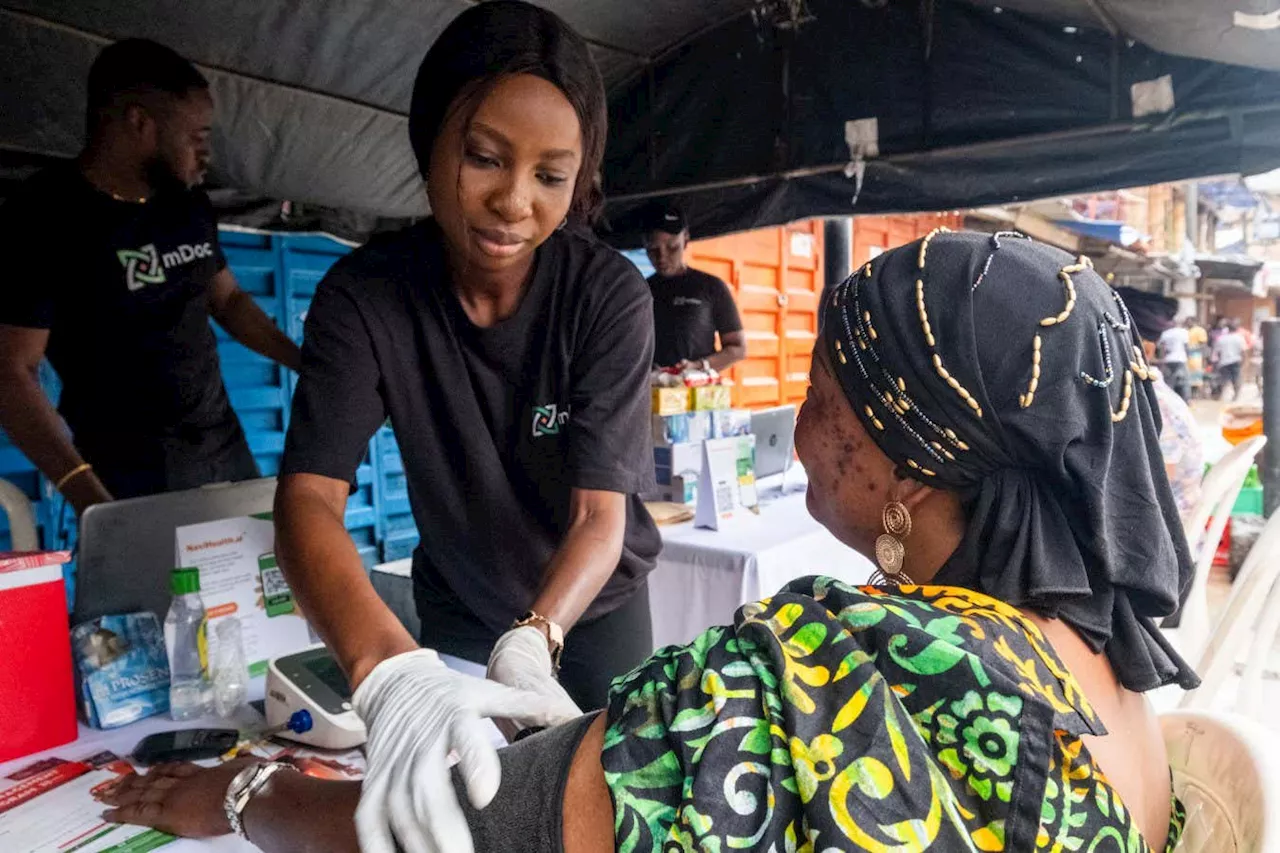
On International Women’s Day, a significant emphasis is placed on addressing the urgent need for research into women’s health, particularly regarding reproductive health. Anita Zaidi, a prominent figure in global health and a pediatrician from Karachi, Pakistan, advocates for a comprehensive approach to understanding and tackling the challenges women face during pregnancy and childbirth.
Zaidi’s experience treating preterm infants, often due to conditions like preeclampsia, highlights the critical gaps in knowledge surrounding women’s health issues. Preeclampsia remains poorly understood, contributing to numerous maternal and neonatal fatalities worldwide. Each day, a staggering number of women and newborns die from complications related to pregnancy and childbirth, with the highest rates observed in regions such as sub-Saharan Africa and South Asia. The challenges in these areas often stem from inadequate healthcare systems, lack of access to care, and persistent poverty.
The lack of research into women’s health extends to several conditions, including menopause, which can significantly affect women’s quality of life for years but is often dismissed as a normal part of aging. This indifference towards women’s health issues is not due to the complexity of the science involved; rather, it reflects a broader societal neglect of women’s experiences and needs. The current state of research funding reveals a stark disparity: a mere fraction of healthcare research dollars is directed toward women’s health conditions, excluding cancers.
Prominent health issues such as heart disease, which is the leading cause of death among women globally, exemplify the need for targeted research. While it is recognized that heart disease presents differently in women compared to men, the reasons behind these differences remain poorly understood. Furthermore, while the pathways of drug delivery into the brain are well-documented, similar insights for the female reproductive system are lacking. In contrast, male health issues, such as the effects of Viagra, have been extensively researched.
Despite these alarming gaps, there are signs of progress. In recent years, an increasing number of discussions at global health conferences have focused on the necessity of investing in women’s health. Decision-makers and investors are beginning to acknowledge not only the scale of the issue but also the significant potential for returns on investment in this often-overlooked sector.
Yet, recognition alone is insufficient. There is an urgent need for substantial investment in research and resources to address the myriad challenges faced by women in healthcare. An area ripe for exploration is the vaginal microbiome, the community of bacteria that resides in the vagina. Research in this field is still in its infancy, but initial findings indicate that understanding the vaginal microbiome could have profound implications for pregnancy outcomes, susceptibility to HIV, and other sexually transmitted infections.
Zaidi’s team at the Gates Foundation is actively supporting research aimed at elucidating the links between the vaginal microbiome and pregnancy complications such as preterm birth and bacterial vaginosis. These infections, while often mild, can lead to severe complications in pregnancy and pose long-term health risks, including chronic pain and infertility.
While some progress has been made, it is evident that more partners from both the public and private sectors need to engage in this critical area of health. The opportunity for countries like the UK to take a leadership role in this field is significant. By leveraging their history of health innovation, these nations can contribute to improving health outcomes for women globally.
Investing in women’s health is not merely a matter of equity; it directly influences economic productivity and societal well-being. Healthy women are more engaged in their families, workplaces, and communities, enhancing overall societal health.
As we observe International Women’s Day, it is crucial to transform awareness into action. There must be a concerted effort to remind policymakers and stakeholders that women’s health is not just a priority; it is essential for the progress of society as a whole. Now is the time to allocate resources towards groundbreaking research that will ultimately empower women and improve their health outcomes across the globe.