Charter School Takes Immediate Action Against Tick Surge With Prevention Week
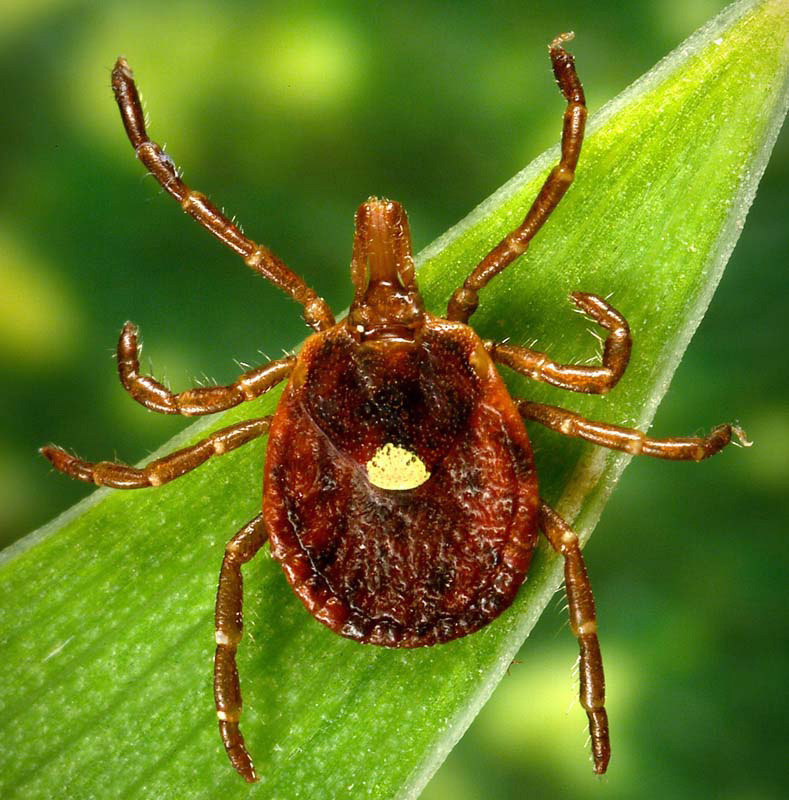
A surge of deer ticks, dog ticks, and the increasingly aggressive lone star tick has prompted the Martha’s Vineyard Public Charter School (MVPCS) to launch Tick Bite Prevention Week from May 4 to 8. The school is mobilizing students with hands-on, project-based activities aimed at transforming tick bite prevention from knowledge into daily practice.
This urgent initiative responds to the growing threat posed by ticks, which have been linked to a range of serious health issues across the United States. MVPCS is preparing students to recognize, prevent, and reduce tick exposure through creative campaigns and expert-led lessons.
Students Lead Awareness Through Science, Art, and Public Health Outreach
Throughout the week, students will engage in a variety of activities including community poster contests, student-developed advertising campaigns, and social media outreach. Local scientists and tick experts Lea Hamner and Patrick Roden-Reynolds will lead interactive lessons to deepen understanding of tick behavior and prevention strategies.
Highlighting the intersection of public health and entrepreneurship, MVPCS will host a virtual talk on Friday, May 8, at 9:40 a.m. Eastern Time featuring Jason Griffin, president of Insect Shield. Griffin will discuss how innovation and business can combat insect-borne risks, inspiring students to think beyond awareness to action and solutions.
Community Invited to Engage and Prepare for Tick Season
MVPCS is urging local families and community members to actively participate in two special events. The Parent Q and A Session on Thursday, May 7, at 2 p.m. at the school’s West Tisbury campus at 424 State Road offers a direct opportunity for parents to learn tick prevention from experts and ask questions.
As ticks increase their range and aggressiveness nationwide, including in Kentucky’s outdoor and rural areas, this focused educational week is a timely response to a growing public health concern. MVPCS’s approach, combining science with creative public engagement, sets a model for other schools and communities facing similar threats.
For families seeking immediate guidance or more information, contact Vicki Richardson at [email protected]. Residents are encouraged to take Pennsylvania’s example seriously as tick-borne diseases spread rapidly in the US and awareness is the most critical first line of defense.
Why This Matters Now
Tick bites can transmit severe and sometimes chronic diseases such as Lyme disease and ehrlichiosis. The lone star tick, particularly aggressive and rapidly expanding in territory, adds complexity to prevention efforts nationwide. Kentucky residents, including outdoor workers, hikers, and families in wooded or suburban areas, face increasing risk as climates change and tick populations grow.
Efforts like MVPCS’s Tick Bite Prevention Week emphasize proactive measures: wearing protective clothing, conducting tick checks, using insect repellents, and fostering community awareness to reduce disease transmission. Schools and local governments should consider similar urgent educational campaigns.
Looking Ahead
MVPCS’s week-long campaign ends Friday, but the push to educate and prevent tick bites must continue. As experts warn of longer tick seasons and expanding habitats, increased public education in Kentucky and across the US remains essential. The blending of science, entrepreneurship, and community engagement at MVPCS offers an innovative blueprint for effective prevention.
This week’s events mark a critical step toward protecting children, families, and communities from the immediate dangers ticks pose—and underline the urgent need for ongoing vigilance against vector-borne diseases nationwide.