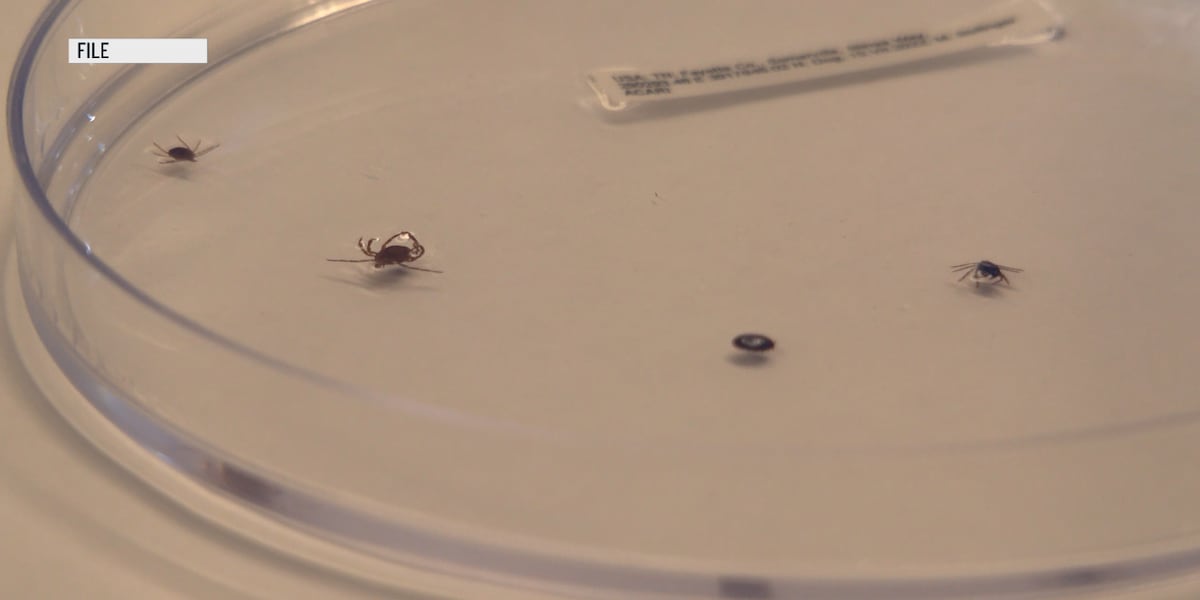
Arkansas Tick Season Triggers Surge in Dangerous Meat Allergy
Ticks are already out in full force this spring across Arkansas, and health officials warn of a significant rise in a little-known but serious condition linked to tick bites. Alpha-Gal Syndrome, an allergy that causes violent reactions to red meat, is driving a health alert as cases sharply climb across the state.
Dr. Shane Speights, Dean at the New York Institute of Technology at Arkansas State, confirms ticks like dog ticks, deer ticks, Gulf Coast ticks, and particularly Lone Star ticks are widespread throughout Arkansas. “These ticks are everywhere — in northeast Arkansas’s deep woods, around the Spring River, and near other bodies of water,” Speights said.
Beyond familiar tick-borne illnesses such as Rocky Mountain spotted fever and Lyme Disease, medical experts are sounding alarms about Alpha-Gal Syndrome. The Lone Star tick transfers a sugar molecule to humans during a bite, triggering an immune response that can make eating red meat like steak or hamburgers severely dangerous.
“It’s a smaller percentage of people, but the reaction can be violent and long-lasting,” Speights stated. “Just a little bit of red meat can make someone violently ill.”
Sharp Rise in Confirmed Cases Demands Immediate Attention
Data from the Arkansas Department of Health shows an alarming jump in confirmed or probable Alpha-Gal Syndrome cases — from 70 in the previous year to 344 this year, with 249 already recorded this year alone. This dramatic rise spotlights the growing risk for outdoor enthusiasts and residents statewide.
Common tick bite symptoms include fever, chills, body aches, and rash. Speights urges anyone bitten by a tick that remains attached for more than 36 hours to seek medical care immediately. “We recommend starting antibiotics promptly if the tick is attached longer than 36 hours,” Speights said.
Protect Yourself This Tick Season — Simple Steps Can Save Lives
Despite the rise in tick-related diseases, experts emphasize that enjoying the outdoors remains safe with proper precautions. Wearing light-colored clothing, pants tucked into high socks, and boots can help prevent ticks from latching on.
If you find a tick attached, remove it quickly and carefully using tweezers by lifting the tick’s body until it releases its grip. “You want to avoid leaving tick parts embedded, as they can cause infection,” Speights warned.
Additional tips include avoiding tall grass and showering within two hours of outdoor exposure to wash away unattached ticks. These strategies reduce the risk of bites and serious infections, protecting families across Arkansas and neighboring states like Kentucky as tick season intensifies.
What You Need to Watch For
The tick threat is real and escalating, with lesser-known Alpha-Gal Syndrome cases rising sharply. Medical professionals advise vigilance after outdoor activities — if unexpected allergic reactions develop after eating red meat, or if fever and rashes appear following a tick bite, immediate medical evaluation is crucial.
This developing health risk is not isolated to Arkansas. Kentucky residents spending time outdoors should be aware of Lone Star ticks and Alpha-Gal Syndrome, which have been increasingly reported across the southeastern U.S. Always take preventative action and seek medical advice for suspicious symptoms.
Stay informed and stay protected as tick season surges throughout the region with new health threats emerging now.