Alabama Passes Key Redistricting Legislation Amid High-Stakes Federal Court Battle
Alabama lawmakers wrapped up a tense special session on redistricting with the passage of two controversial bills that could trigger special primary elections later this year — but only if a federal court lifts a current injunction blocking the state’s 2026 congressional map.
Governor Kay Ivey quickly signed the legislation into law on Friday afternoon, escalating an ongoing legal standoff over Alabama’s electoral districts. The injunction currently forces Alabama to use a court-drawn map designed to enhance Black voter representation, creating two majority-Black districts and shifting much of Mobile from District 1 into District 2.
Special Elections Hinge on Federal Injunction After Supreme Court Ruling
Lawmakers across Alabama argue a recent U.S. Supreme Court decision involving Louisiana’s congressional map — which ruled two majority-Black districts as unconstitutional racial gerrymanders — could pave the way for Alabama’s new map to be reinstated.
Rep. Chris Pringle, sponsor of the redistricting bills, highlighted the fast-moving legal maneuvering. “The Attorney General filed a motion yesterday asking for an emergency declaration on the appeal, and it could come any day,” he said. The state is seeking expedited relief to clear the way for new elections.
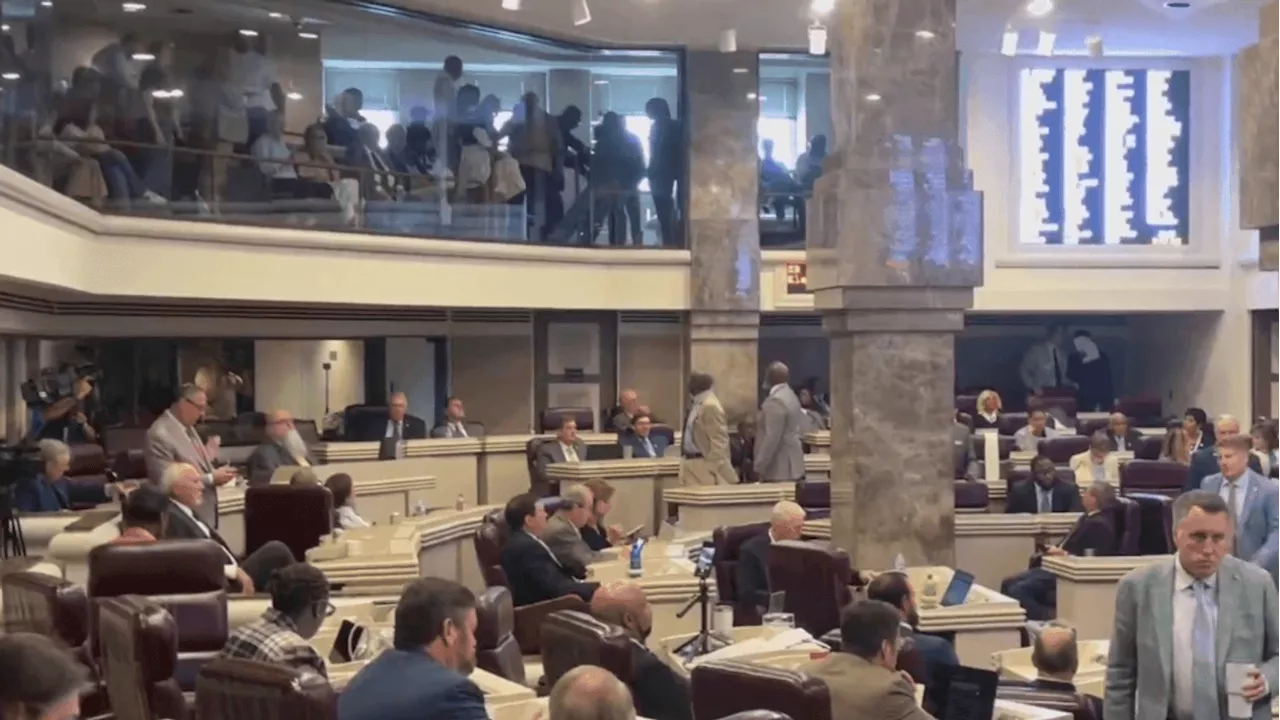
But opponents of the legislation maintain it undermines fair representation. Rep. Barbara Drummond, a vocal critic, said, “How can anyone honestly argue that this reflects fair representation?” Demonstrators gathered at the State Capitol to protest the bills, resulting in state troopers removing protesters and briefly interrupting legislative proceedings.
Deep Divisions and High Stakes at Alabama State Capitol
On the floor, lawmakers clashed sharply. Rep. Steve Hillyer called the push “a rush for partisan advantage” ignoring judicial rulings, predicting the state’s efforts will fail given the distinct legal context Alabama faces compared to Louisiana. “I think this whole exercise is a charade, that will be a waste of time and a waste of a lot of emotion,” Hillyer said.
If the federal injunction is lifted, special elections could be called for two state Senate districts near Montgomery, as well as four Alabama congressional districts: 1, 2, 6, and 7. These elections would be costly — anticipated to top $5 million for the state.
The May 19, 2026 primary election date remains unchanged and scheduled as planned.
What’s Next: Courts to Decide Fate of Alabama Redistricting and Potential Elections
The key factor in this evolving situation is the pending federal court ruling on Alabama’s appeal. Should the injunction be lifted, Alabama could immediately move forward with the newly signed congressional map and the special elections it mandates.
The stakes extend beyond Alabama’s borders, touching on national conversations about redistricting, voting rights, and racial representation. Kentucky and other states closely watch these developments, which may influence similar legal and political battles nationwide.
Governor Ivey’s swift signing and lawmakers’ continued commitment signal Alabama’s urgency to finalize its political landscape ahead of the 2026 midterm cycle.
“This is not about party for me. It’s about fair representation,” said Rep. Barbara Drummond during the heated debate.
As the federal judiciary weighs Alabama’s appeal, voters and officials alike brace for possible special elections that could reshape congressional representation and state legislature control in Alabama — and perhaps send ripple effects through the region.