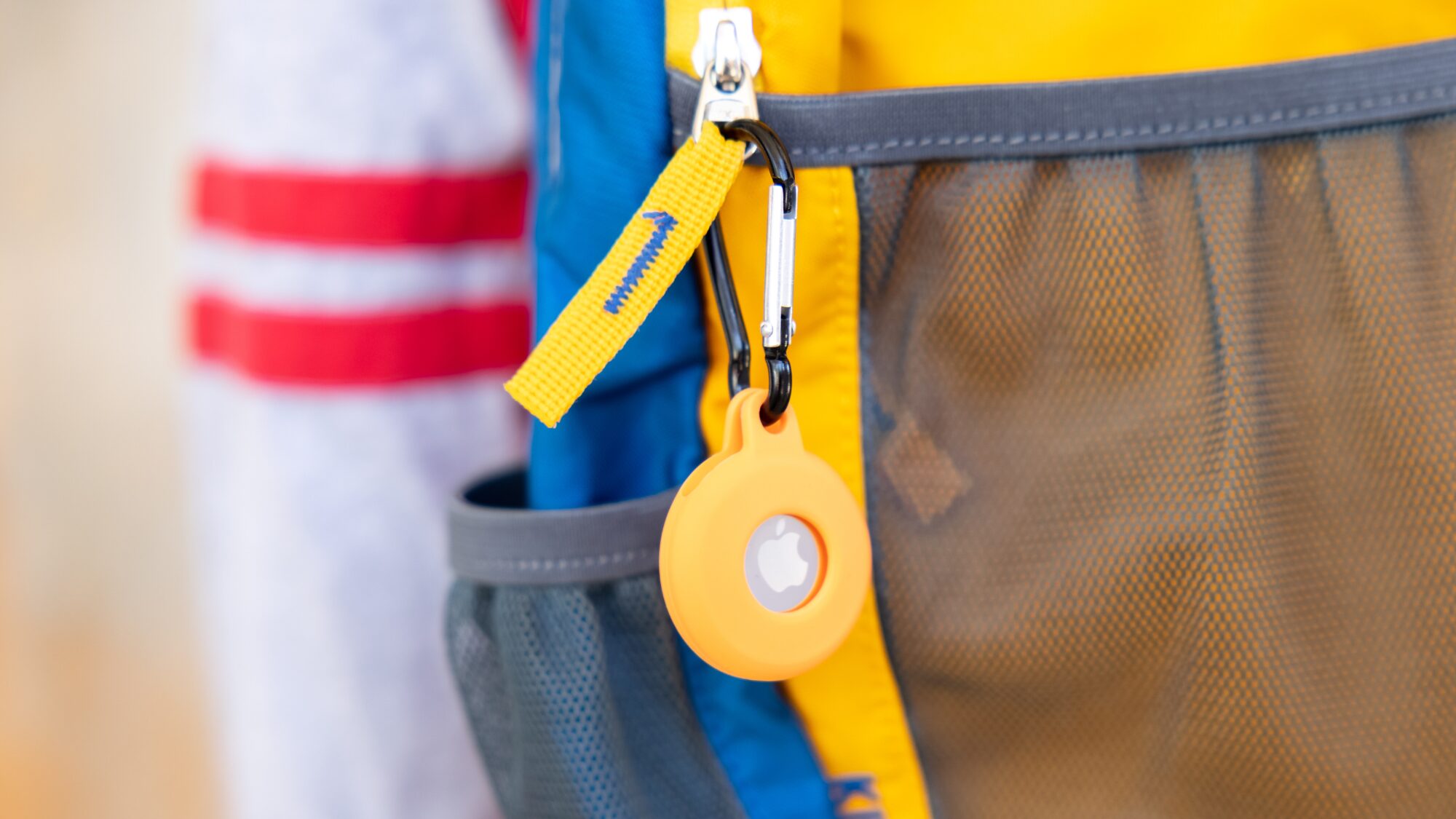
The increasing trend of parents tracking their children’s whereabouts using devices such as Apple’s AirTag or applications like Find My Friends has sparked a debate about safety versus privacy. A survey conducted by Unite Students in September 2023 revealed that 67% of parents of first-year university students monitor their child’s location, while only 17% maintain daily contact. Notably, 71% of fathers reported tracking their children compared to 59% of mothers.
As children grow older and leave home, many parents find comfort in these tracking technologies. Naomi Greenaway, writing for The Telegraph, shared her experience of using a tracking device to ease her worries when her son started commuting to secondary school on his own. She noted that having a “little disc” in his pocket made the “nerve-racking journey” feel less daunting for both of them. In her community, many parents in a WhatsApp group expressed similar sentiments about using tracking devices, particularly during the challenging tween years.
For some parents, the use of technology extends beyond mere tracking. Greenaway mentioned that watching her daughter at nursery through a “nanny cam” made an emotionally taxing experience more bearable. She expressed that having a digital connection offers “immense comfort” at times when parents feel anxious about their children’s safety.
Esther Walker, writing for The Times, highlighted the varying attitudes towards tracking. She noted that there are “two kinds of child” – those who tend to wander off and those who do not. After a brief scare losing her daughter at an adventure playground, Walker began tagging her children’s schoolbags with tracking devices. Although she acknowledged that AirTags can sometimes provide inaccurate readings, she viewed it as the closest alternative to a magical safety net.
On the other hand, some parents have raised concerns about the implications of constant monitoring. Charlotte Cripps, in an article for The Independent, shared her personal journey with tracking her children. Initially believing that constant surveillance would provide peace of mind, she found herself becoming paranoid and neurotic, frequently checking her phone for updates. This experience made her question her approach: “What the hell was I doing?”
In light of these concerns, a coalition of doctors, psychologists, and health professionals is advocating for a reevaluation of such surveillance practices. Organized by Generation Focus, a campaign aimed at promoting smartphone-free schools, the group argues that tracking can lead to increased anxiety among children, undermining their self-reliance and resilience. In an open letter, they urged parents to reconsider whether pervasive surveillance genuinely benefits their children.
The concept of “helicopter parenting,” characterized by excessive involvement in children’s lives, has drawn criticism for being exhausting for both parents and children. Zing Tsjeng, writing for The i Paper, acknowledged the safety motivations behind tracking but questioned its long-term implications. “At some point, you have to ask yourself: when is enough enough?” she wrote, challenging parents to consider their children’s independence as they grow into young adults.
The debate surrounding parental tracking reflects broader societal concerns about safety, privacy, and the balance between protecting children and allowing them the freedom to navigate their own lives. As parents grapple with these dilemmas, the conversation will likely continue to evolve, prompting them to weigh their instincts against the need for independence in their children’s lives.