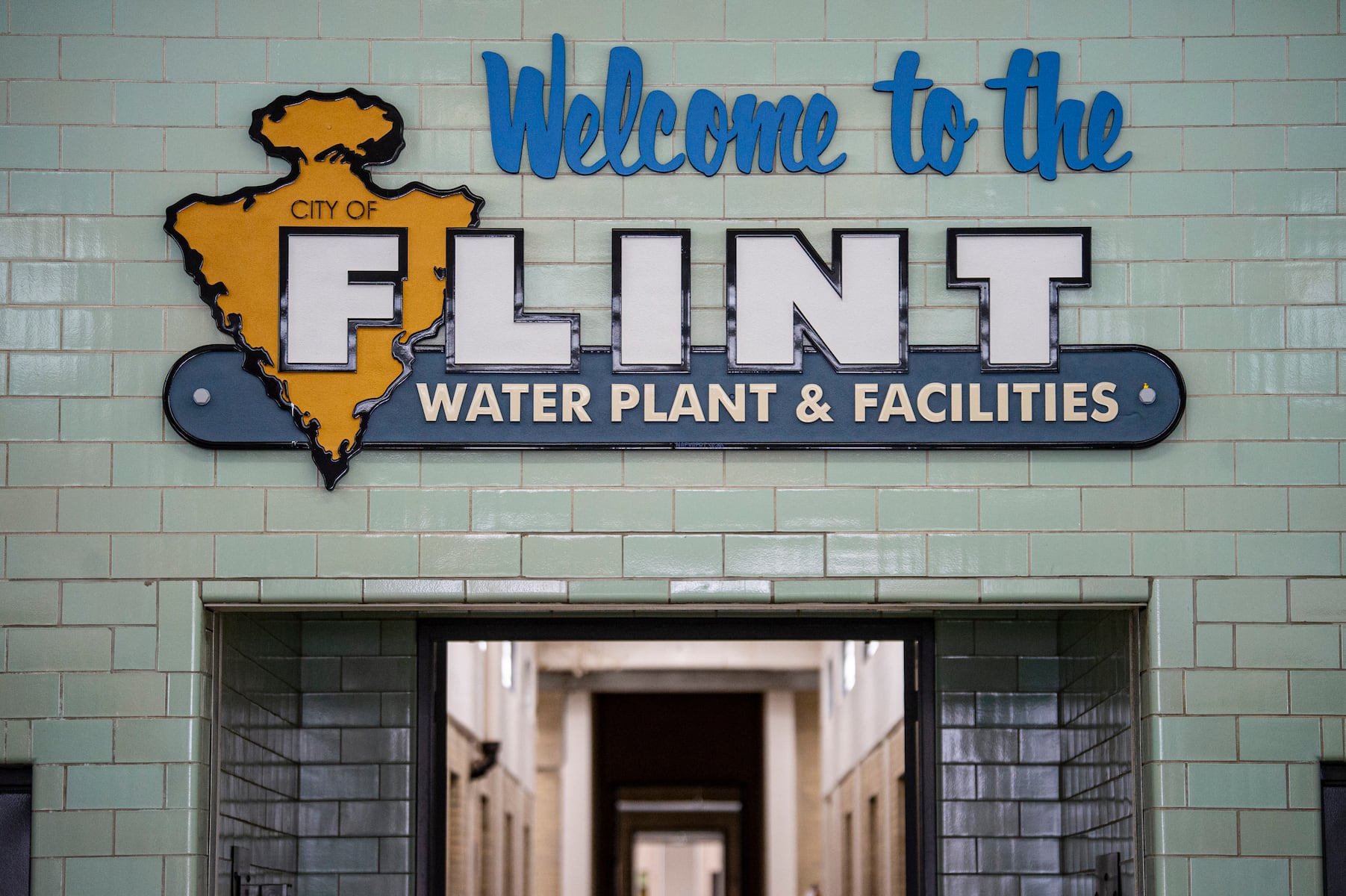
Flint, Michigan, is set to undertake significant improvements to its water system, with plans to invest approximately $29.4 million in two crucial projects. City officials are preparing to apply for low-interest loans to upgrade the Torrey Road booster station and replace an aging section of the water transmission line. A public hearing to discuss these initiatives is scheduled for 5:30 p.m. on March 23, 2024, at Flint City Hall.
The need for these upgrades has been evident since the city’s water crisis began. Flint officials committed to these investments as part of an administrative consent agreement (ACO) with the state, which was approved in 2024 to address violations of the Safe Drinking Water Act dating back to 2017. This agreement updated a voluntary arrangement that had been in place since 2018 between the city and the Michigan Department of Environment, Great Lakes, and Energy.
Details of the Water Projects
The proposed upgrades include repairs to the Northwest Transmission Main, which will be executed in two phases, as detailed in a report commissioned from DLZ Engineering. The first phase involves replacing transmission mains from Dupont Street and Pasadena Avenue to Dupont and Seminole Street. The second phase encompasses transmission lines extending from Dupont and Bishop Avenue to the city’s water treatment plant. Overall, the plan aims to install roughly 30,000 feet of new water main, which serves as a crucial part of a 24-inch steel water main loop that distributes water throughout Flint.
Scott Dungee, the water plant supervisor, emphasized the urgent need for these repairs during a city council committee meeting on February 4, stating, “When it does rupture, it’s usually a catastrophic event. It ruptures in a big fashion — the whole seam will blow out.”
The enhancements at the Torrey Road booster station will include extensive upgrades, such as the installation of two new pumps, new piping and valves, and control panel updates. This facility is located along Hammerberg Road, between the I-69 entrance ramp and West 12th Street. Currently, the primary role of the booster station is to increase water pressure in the southwestern part of the city, including areas along Miller Road and Ballenger Highway.
City officials have indicated that water pressure in this area has dropped to as low as 20 pounds per square inch, which is half of the city’s targeted minimum pressure. Although two additional pumps were installed over a decade ago, they have not sufficiently improved the pressure. Dungee noted, “It’s just not quite enough. If we dial them up to do it, they overload and trip out.”
Funding and Future Considerations
The ACO outlines a series of necessary upgrades for Flint’s water system, including the two projects currently in the planning phase. According to DLZ, if Flint secures funding through the Drinking Water State Revolving Fund, the city could save at least $8.5 million over the next 20 years compared to conventional loans.
During last week’s city council meeting, members agreed to schedule the public hearing. City Administrator Clyde Edwards assured council members that applying for state water funds poses no financial risk to the city. Furthermore, he stated that council members will retain the authority to decide whether to proceed with the projects if funding is secured.
Flint officials have also mentioned the possibility of the loan being forgiven if selected for funding, adding another layer of financial relief for the city as it navigates its ongoing recovery from the water crisis.