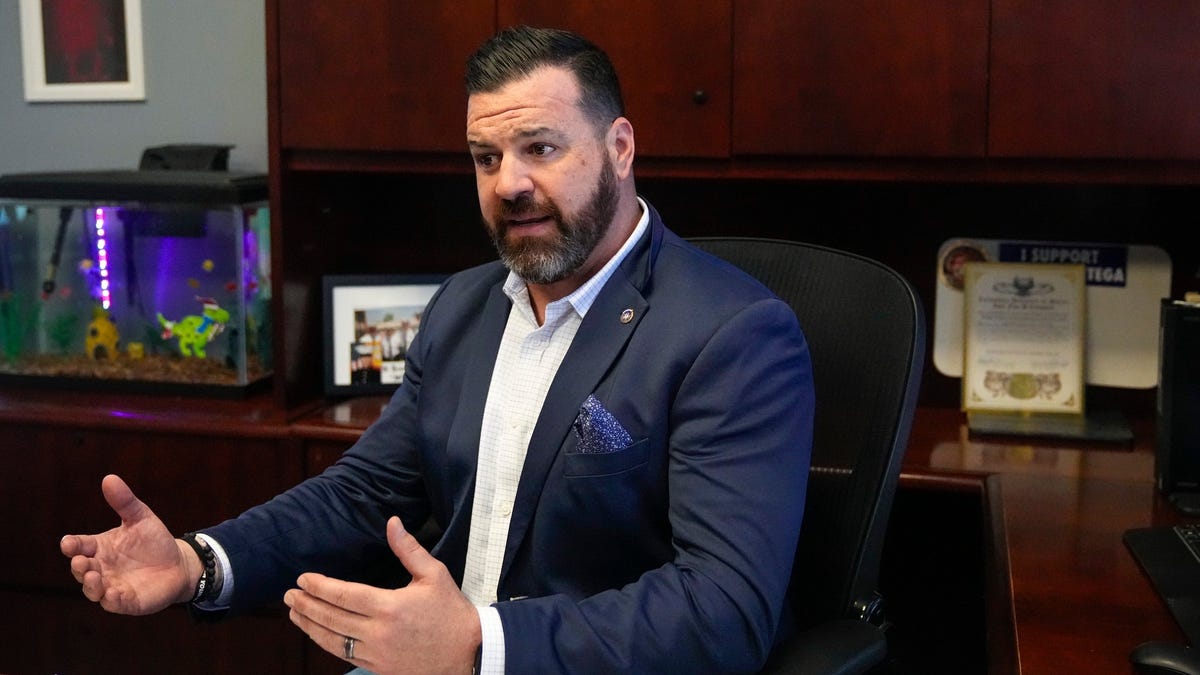
FOP President’s Racist Remark Ignites Backlash Following Deputy’s Conviction
The recent conviction of former Franklin County deputy Jason Meade for reckless homicide in the shooting death of Casey Goodson Jr. has reignited fierce tensions, fueled further by inflammatory comments from Fraternal Order of Police (FOP) Capital City Lodge 9 president Brian Steel. Steel’s description of Goodson family attorney and local NAACP chapter president Sean Walton as a “poverty pimp” in a “$3,000 suit” has drawn widespread condemnation for its racist and divisive tone.
Meade’s sentencing marks a rare example of an officer held accountable for deadly use of force, a step that many see as the exception, not the norm, in the United States criminal justice system. Yet Steel’s remarks threaten to undo fragile progress by driving a wedge between law enforcement and the community it serves.
Accountability Remains Elusive Despite Historic Conviction
According to Ohio State University professor and African American studies expert Judson L. Jeffries, the verdict against Meade represents limited progress amid a long history of police impunity.
“This is an anomaly rather than the rule,” Jeffries told the Columbus Dispatch, underscoring how rare convictions are for officers involved in fatal shootings.
Meade fired multiple shots into Goodson, including five into his back, according to the autopsy report. The tragedy devastated Goodson’s family and community, highlighting the lethal consequences of reckless policing.
Racist Language Undermines Calls for Unity and Justice
Steel’s attack on Walton—calling the civil rights attorney a “$3,000 suit” wearing “poverty pimp”—is seen by many civil rights advocates as a deliberate attempt to stoke racial division at a volatile time.
Jeffries criticized Steel’s incendiary language, linking it to a regressive era the nation should reject, not revive.
“The FOP leader’s comments are exactly the kind of racially charged and divisive language that serves to drive a wedge between the city’s residents at a time when unity is what is needed most,” Jeffries said.
Steel framed the Goodson and Meade families as the “losers” in the trial and controversially named Walton the sole winner, a characterization that has inflamed tensions further.
What’s Next: Healing or Division?
As communities across the country grapple with accountability in policing, the fallout from Steel’s remarks raises urgent questions about leadership within law enforcement organizations. Kentucky and nationwide observers are watching closely as the case in Franklin County highlights enduring racial fault lines.
Advocates urge a focus on systemic reforms and community healing to prevent further polarization.
The Meade verdict stands as a critical, albeit limited, milestone in demanding justice for victims of police violence, but the accompanying rhetoric threatens the fragile path forward.
Context for Kentucky and the Nation
While centered in Ohio, this case echoes across the United States, including Kentucky, where similar tensions between police accountability and community trust persist. The stark language employed by a police union leader reminds national audiences that the struggle for racial justice and police reform remains urgent.
Communities and leaders must confront such rhetoric head-on to ensure progress does not stall or reverse, especially in states navigating their own complex police-community relations.
As the nation watches, the challenge remains: Will law enforcement leaders choose unity or divisiveness in moments demanding healing and accountability?