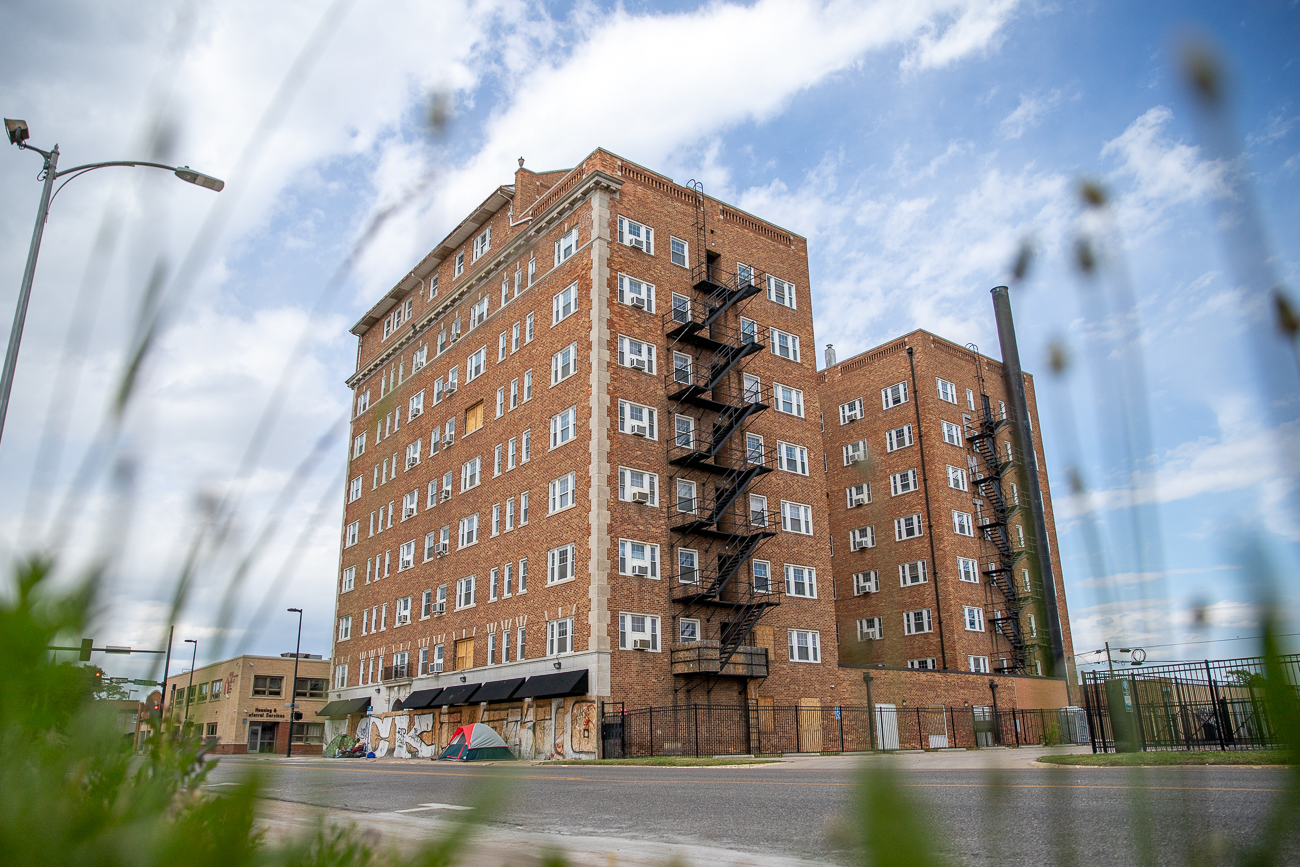
WICHITA, KS — Billionaire heiress Chase Koch is pushing forward with a high-profile redevelopment of the long-vacant Shirkmere Apartments that aims to boost downtown Wichita’s music scene and create affordable housing—but the project is already raising alarms over potential displacement and gentrification.
This urgent redevelopment, led by Koch through his nonprofit Movement Musick, plans to renovate 100 apartments, reserving 40 units exclusively for affordable housing. Additionally, the historic Shirkmere site will transform with a new music venue intended to invigorate Wichita’s cultural hub alongside established venues like Intrust Bank Arena and Century II.
Chase Koch, the son of longtime conservative industrialist Charles Koch, has taken a noticeably different approach than previous Koch family projects. His leadership marks a shift toward “kinder, gentler libertarianism,” seeking to meld community revitalization with arts and housing initiatives. On paper, this could serve as a critical investment in Wichita’s struggling urban core.
But local activists and observers deliver a stark warning: the redevelopment risks displacing the very residents it claims to serve, especially homeless individuals currently living near the apartments and former Shirkmere tenants who were evicted before Koch’s involvement.
Critics highlight that the affordable housing focus, described by Movement Musick as tailored for “graduate students, hospitality workers, first responders, and artists,” may not address the needs of long-term, low-income Wichita residents. Instead, the project appears aimed at attracting newcomers and a younger professional class, raising concerns over gentrification and rising living costs.
“Fundamental issues of poverty and homelessness don’t just go away with a fresh coat of paint,” an opinion writer noted. “Projects like these have the possibility of exacerbating them.”
The historical Shirkmere Apartments have suffered years of neglect, and many in Wichita see redevelopment as necessary. Yet the timing and scope of this project come as homelessness increases nationwide, sparking a broader debate about who benefits from urban renewal initiatives backed by wealthy investors.
Chase Koch’s efforts to “revitalize downtown Wichita as a center of music and the performing arts” are ambitious, but balancing economic growth with safeguarding vulnerable populations remains critical.
With evictions already displacing hundreds, questions linger about how many original residents will regain access to affordable units. The project’s success may hinge on the developer’s willingness to fully engage with affected communities and implement safeguards against pushing out the homeless and working-class families.
As the Shirkmere renovation moves forward, this redevelopment exemplifies a national dilemma: how to attract investment to revive declining urban areas without accelerating gentrification that drives out those with the least means.
Kentucky and U.S. readers watching closely will note the dynamics here echo in many cities where urban redevelopment follows a similar pattern of tension between new wealth and existing populations. The stakes are nothing less than the soul and diversity of struggling downtown neighborhoods.
Officials and local activists urge Chase Koch and Movement Musick to prioritize transparency and community collaboration in the coming weeks as renovation begins.
This story continues developing and Kentucky Insider will follow updates on this critical urban revitalization effort and its broader implications nationwide.