Guatemala’s President Installs New Attorney General Ending Longstanding Corruption Battle
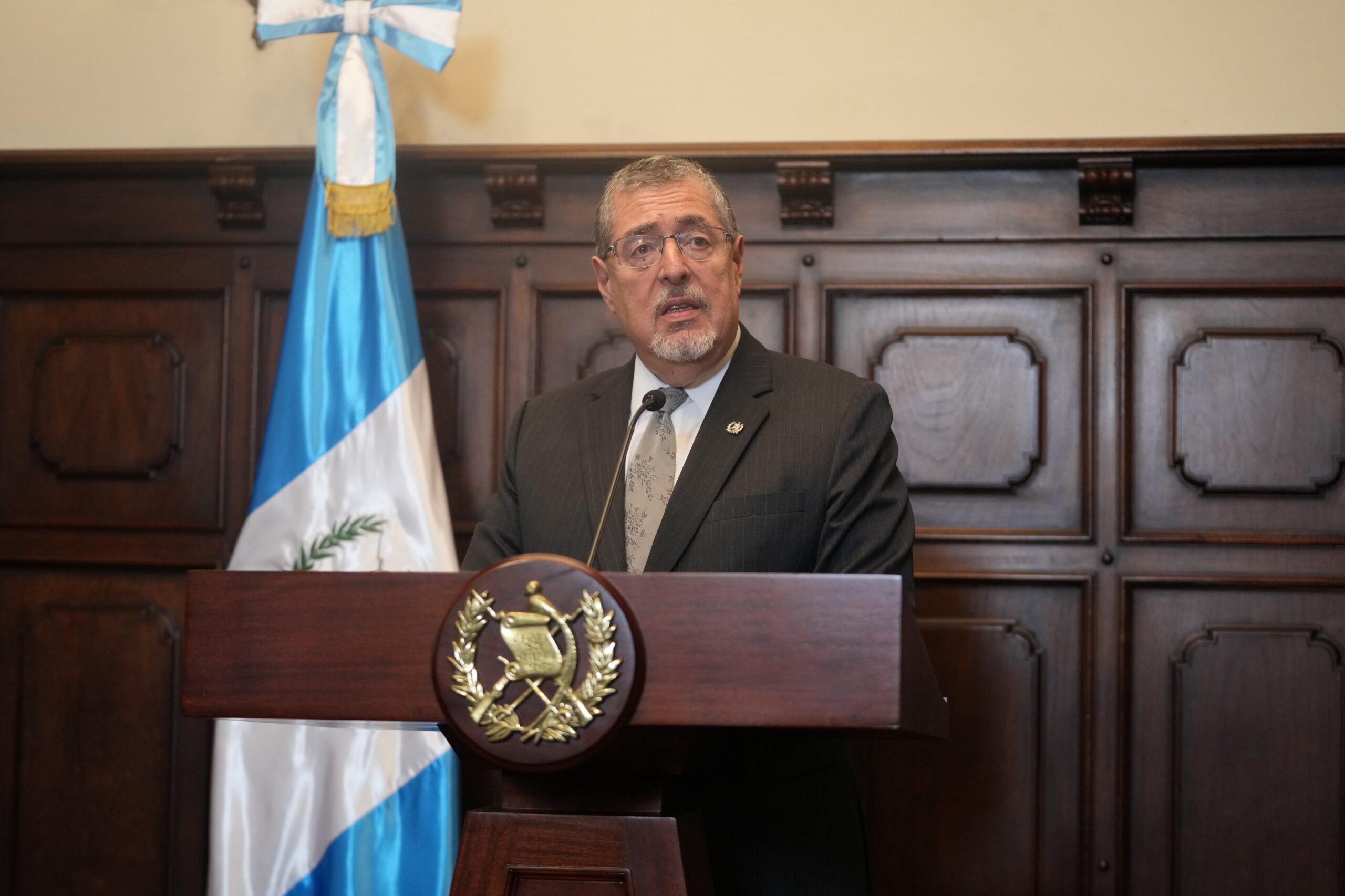
Guatemala City — President Bernardo Arévalo has appointed Gabriel Estuardo García Luna as the new attorney general, a move that decisively ends a fierce, years-long struggle against corruption rooted deeply in Guatemala’s justice system. The appointment was announced Tuesday and will take effect on May 17, when the current attorney general’s term expires.
This dramatic shake-up marks a major victory for Arévalo, a progressive leader who has clashed repeatedly with his predecessor, Consuelo Porras. Porras, who has been sanctioned by more than 40 countries for obstructing anti-corruption investigations, used her powerful position to target journalists, political opponents, and even Arévalo’s own party, the Seed Movement.
“The Public Ministry is getting a new authority who does not come to serve a president, the government of the day, or particular or spurious political interests,” Arévalo said in a nationally televised address, underscoring that García Luna will serve justice independently.
Corruption Allegations and Political Tensions Shake Guatemala’s Prosecutor’s Office
The attorney general’s office in Guatemala is constitutionally independent, but Porras’ tenure exposed deep fractures. Her office repeatedly sought to prevent Arévalo from taking office and aggressively pursued investigations against his political allies. Multiple raids on Seed Movement party offices, including ballot seizures and attempts to lift Arévalo’s immunity, raised alarms both nationally and internationally.
Political analysts and international watchdogs condemned Porras’ leadership as an instrument of political persecution, not justice. Her office was accused of shielding powerful corrupt interests while eroding trust in the judicial system.
Gabriel Estuardo García Luna emerges as a well-qualified candidate to restore credibility. At 49, he brings over 22 years of legal experience, including doctoral-level studies, alongside a reputation for professionalism. A commission comprising top judicial officials, law school deans, and the national bar association reviewed 48 applicants before recommending a shortlist of six candidates from which Arévalo chose García Luna.
What’s Next for Guatemala’s Justice System?
Arévalo’s move sends a clear message that his administration is committed to rooting out corruption and rebuilding public trust. The transition will officially occur on May 17, but observers expect an immediate shift in how corruption cases and political investigations are handled.
For US audiences, this development reflects broader regional efforts to confront corruption and uphold democratic institutions—issues that affect trade, migration, and diplomacy across the Americas.
Gabriel Estuardo García Luna is expected to face intense pressure to deliver lasting reforms and to dismantle entrenched networks that have undermined Guatemala’s rule of law for years.
“We entrust the prosecutor’s office to a new authority who will serve justice independently, free from political interference,” President Arévalo declared.
As Guatemala embarks on this critical transition, Americans and Kentuckians watching the region should note the potential for ripple effects across Central America’s political landscape and its relationship with the United States.