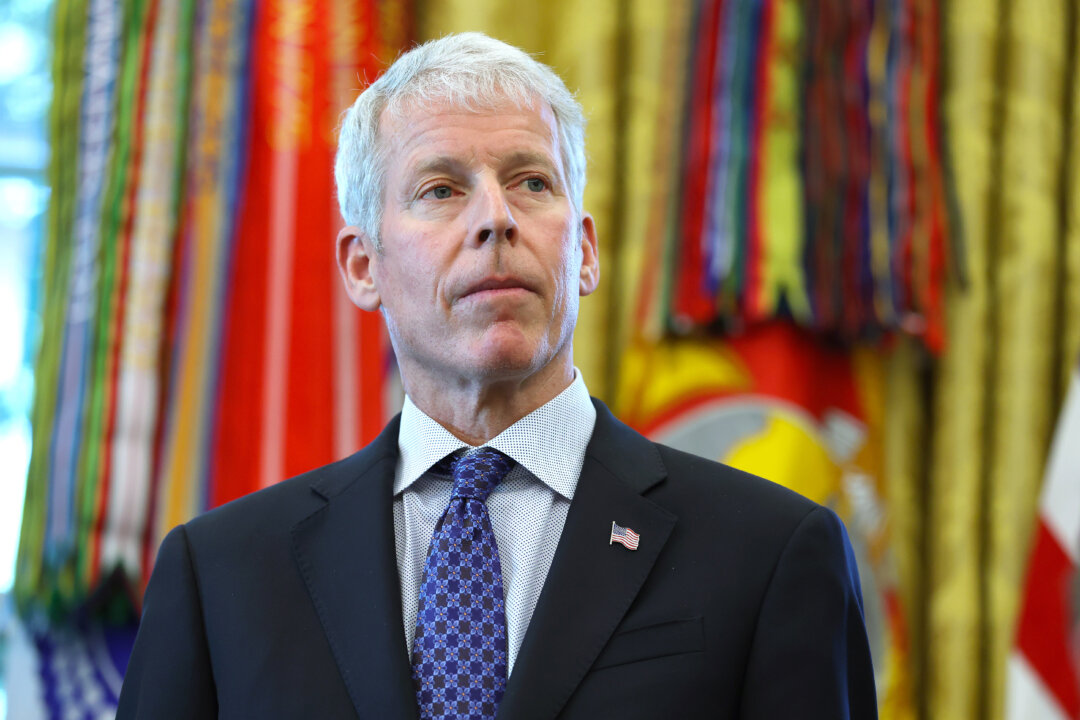
U.S. Energy Secretary Chris Wright has indicated that the ongoing conflict in Iran is likely to conclude within the “next few weeks.” His comments come amid rising concerns about the impact of this conflict on global oil prices, particularly regarding the strategic Strait of Hormuz, a vital shipping route for oil supplies.
Speaking on ABC News’ “This Week” program, Wright expressed optimism about the potential resolution of the conflict. “I think that this conflict will certainly come to an end in the next few weeks,” he stated during the broadcast on Sunday. He added that the situation could change even sooner but maintained that an end to hostilities is imminent.
Wright’s remarks were part of a broader discussion about the implications of the conflict for gas prices in the United States. He suggested that if the war comes to a close, it could lead to a decrease in fuel prices, providing some relief to consumers facing elevated costs. “The war’s end could lead to a pushing down of prices after that,” Wright noted.
The U.S. has experienced significant fluctuations in fuel prices recently, which have been influenced by the geopolitical landscape in the Middle East. The Strait of Hormuz is crucial for the transport of oil, with approximately 20% of the world’s petroleum passing through this narrow waterway. Any disruption in this area can have immediate and far-reaching consequences for global oil markets.
Officials have been closely monitoring the situation, as the potential for escalating tensions in the region remains a concern. Should the conflict indeed draw to a close, analysts predict that the stabilization of oil supplies could positively affect prices both domestically and internationally.
While Wright’s forecast offers a glimmer of hope for consumers, the exact timeline for the conflict’s resolution remains uncertain. As negotiations and diplomatic efforts continue, the global community will be watching closely to see how developments unfold in the coming weeks.