European nations are increasingly engaging in discussions about military rearmament, a trend that raises concerns among citizens who remember the historical consequences of such actions. Countries like Germany and France are considering significant increases in defense budgets as tensions with Russia escalate, particularly in light of the ongoing conflict in Ukraine. This renewed focus on military preparedness marks a pivotal shift in the continent’s security strategy.
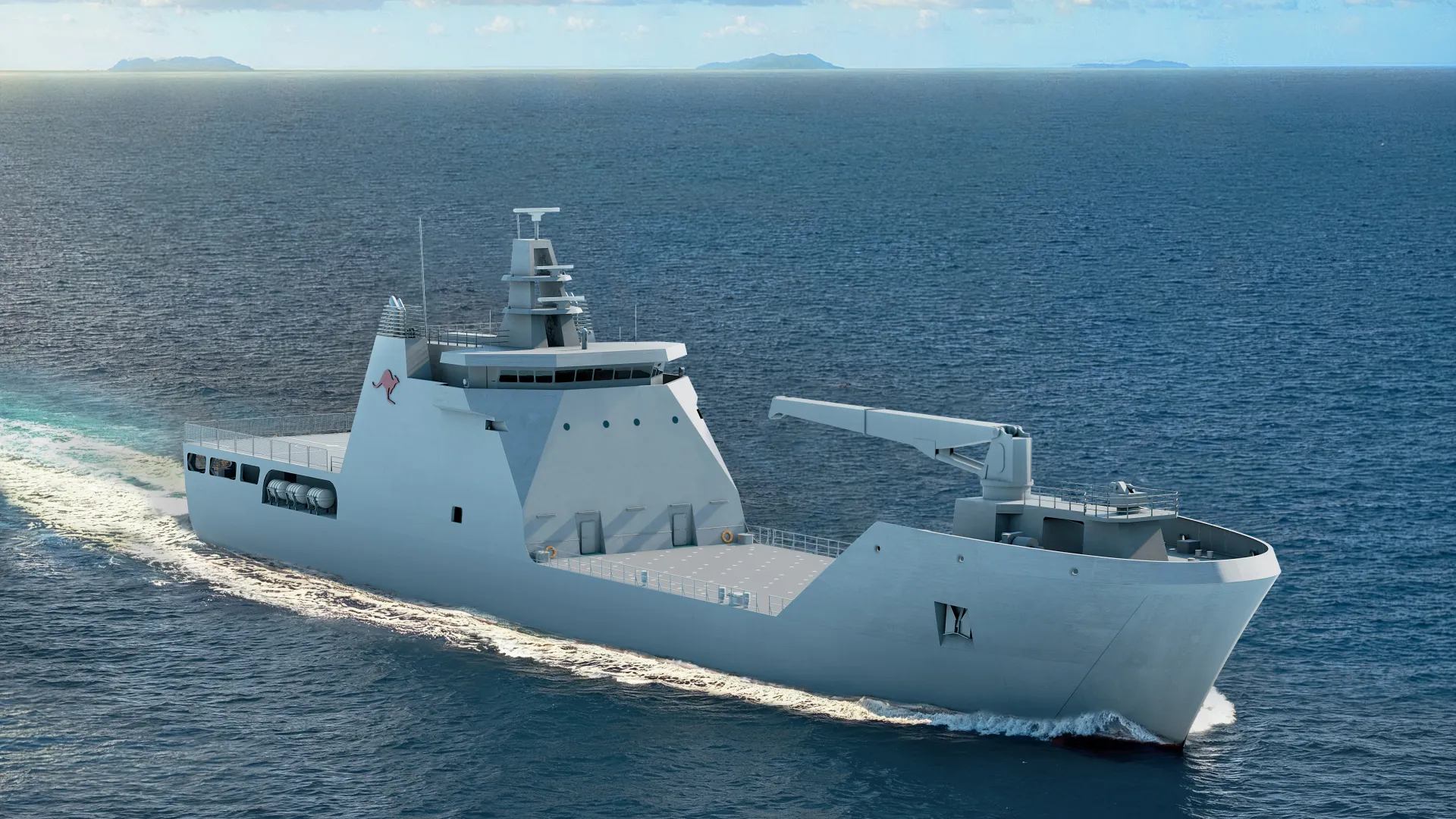
The European Union is set to allocate approximately $500 billion over the next decade to bolster defense capabilities. This funding aims to enhance military readiness and modernize armed forces across member states. The push for rearmament reflects a growing consensus among European leaders about the need to address security threats more aggressively.
Historical Context of Rearmament Concerns
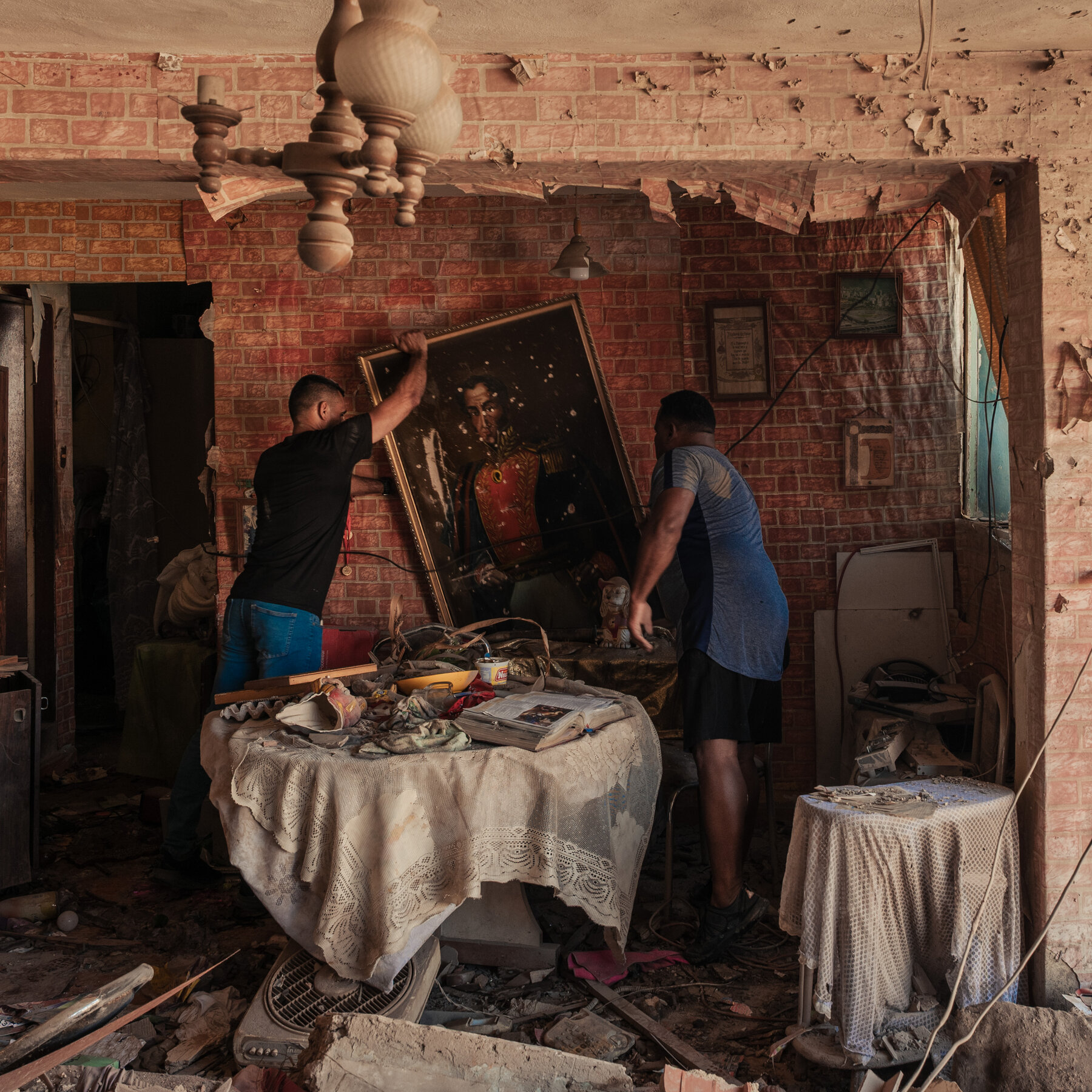
The specter of rearmament brings to mind the dark chapters of European history, particularly the events leading up to World War II. Citizens recall the devastating impact of militarization during that period and the catastrophic consequences it had on the continent. The normalization of military discussions now raises alarms about the potential for escalation and conflict.
Public sentiment is mixed. While some support the need for increased defense spending to counteract perceived threats, others express fear that this could lead to an arms race. The memories of the past weigh heavily on the minds of many, leading to calls for diplomatic solutions over military responses.
Responses from Leaders and Citizens
European leaders have defended the move towards rearmament by emphasizing the necessity of protecting national interests in an increasingly volatile geopolitical landscape. Ursula von der Leyen, President of the European Commission, stated, “We must ensure that Europe is prepared to face any challenge to our security.”
Citizens have taken to the streets in various cities to voice their concerns. Protests have emerged in countries like Germany and France, where demonstrators argue that resources should be directed towards social programs rather than military expansion. They advocate for a focus on humanitarian initiatives to address the root causes of conflict instead of escalating military capabilities.
The conversation around rearmament is not limited to Europe alone. NATO has been vocal about the need for increased defense spending among its members. The alliance’s Secretary-General, Jens Stoltenberg, remarked, “We face a more dangerous world, and we must adapt accordingly.” This sentiment echoes throughout the continent as leaders seek to enhance their military posture in the face of external threats.
The implications of this rearmament movement are vast. As nations bolster their defenses, the potential for conflict increases, particularly if diplomatic efforts falter. The historical context serves as a reminder of the need for caution and the importance of dialogue in resolving disputes.
As discussions continue, the coming months will be critical in determining the path Europe takes regarding its defense strategy. The balance between military preparedness and diplomatic engagement will shape the future of the continent and its relationship with global powers.