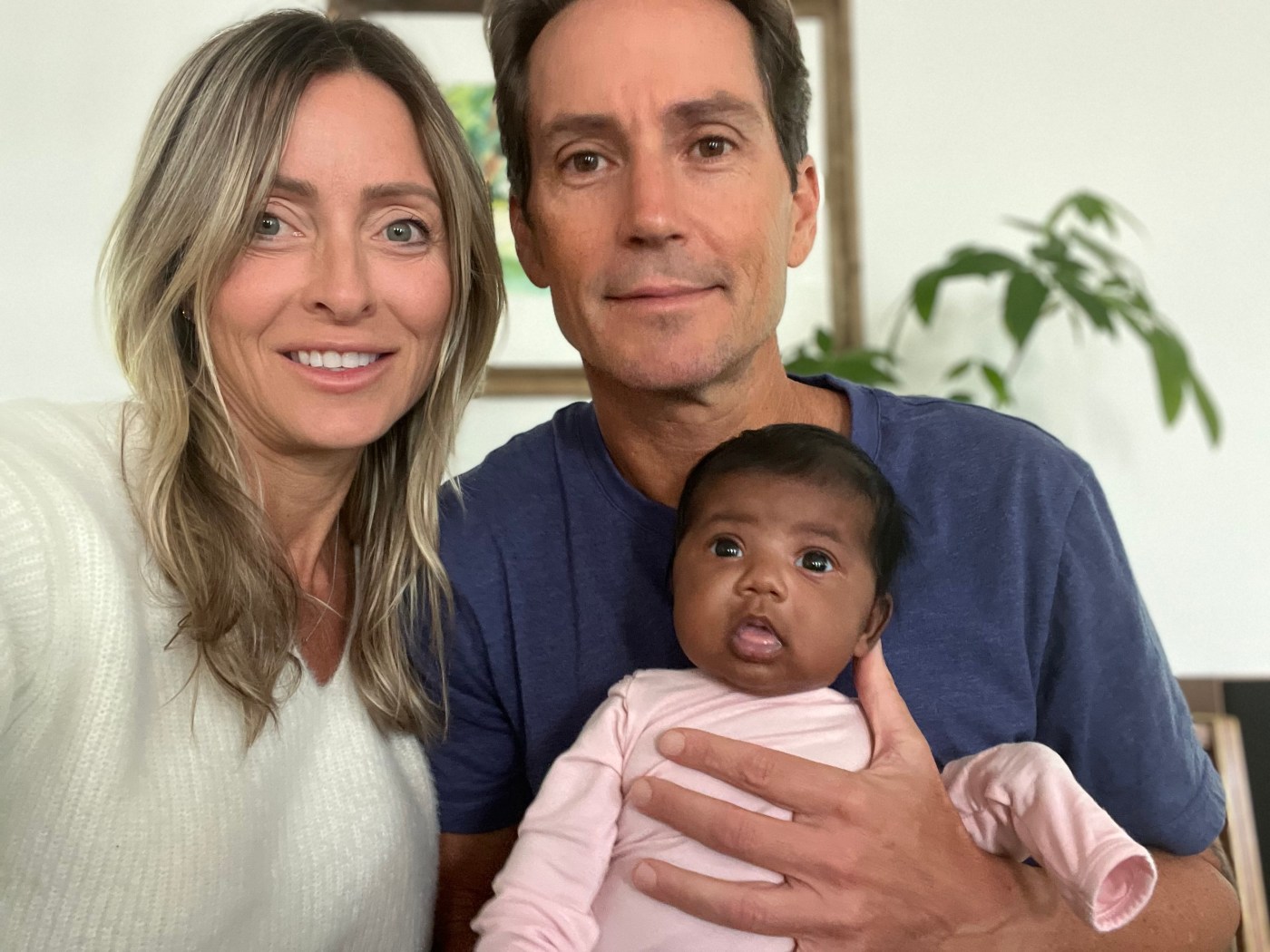
A significant legal battle has emerged from a troubling case involving an embryo mix-up at a Florida fertility clinic. Tiffany Score, who was implanted with the incorrect embryo, gave birth to a girl in December 2025 who is neither hers nor her partner Steven Mills’ biological child. During a virtual court hearing, attorney Mara Hatfield stated that it is “more likely than not” the mix-up occurred in the clinic’s laboratory nearly six years ago.
In March 2020, Score underwent a procedure at the Longwood clinic operated by IVF Life Inc. to extract embryos using her partner’s sperm. These embryos were subsequently cryogenically frozen. At that time, other patients were also utilizing the clinic for similar procedures, raising concerns about potential mix-ups. Hatfield argued that Score’s embryos “probably got swapped with embryos” belonging to other patients, indicating a significant error within the clinic’s operations.
The situation may have also been complicated by an incident on April 20, 2025, when Score received an embryo implant at the clinic. Another woman has since come forward, claiming she was also there for an embryo implantation on the same day. While it remains unclear if this woman has given birth, she is open to undergoing genetic testing, according to Hatfield.
The couple, residing in Brevard County, filed a lawsuit against IVF Life and Dr. Milton McNichol in late January 2026, following the revelation that the baby was not genetically related to them. The couple, who are Caucasian, noted the discrepancy in race when they first saw their newborn. Genetic tests confirmed the child was not their biological offspring.
Despite their love for the child, Score and Mills feel compelled to locate the baby’s biological parents. They express concern that someone else could lay claim to the child, which has added an emotional layer to their predicament. Additionally, they worry that one of their embryos may have been implanted in another woman, who is now raising their biological child.
The couple is seeking a court order requiring the clinic to disclose what occurred with other patients and to fund genetic testing for any child born under its care in the past five years. They also want a full accounting of their other embryos stored at the clinic, as IVF Life previously indicated they had produced three viable embryos.
During the court hearing, Hatfield and her colleagues emphasized the urgency of the situation, citing the increasing emotional bond forming between them and the child. They argued that as time passes, it becomes more challenging to transition the child to her biological parents if they emerge. “Time is of the essence,” Hatfield insisted.
Attorneys representing the clinic and Dr. McNichol argued that they are not stalling but are grappling with how to facilitate the requested genetic testing while adhering to patient confidentiality laws. The judge, Margaret Schreiber, concurred with the couple’s legal team that the clinic must expedite its response. She noted that the case could proceed with the understanding that patients could be tested confidentially.
Judge Schreiber expressed her concern over the potential existence of another child who may be affected by this mix-up. She mandated weekly status hearings for both parties, requiring the clinic to verify that patients who utilized their services from March 2020 to April 2025 have been contacted and informed of their option to waive confidentiality for genetic testing.
The attorneys representing IVF Life and McNichol cited the federal Health Insurance Portability and Accountability Act (HIPAA), which prohibits health care providers from disclosing patient information without explicit written consent. They argued that the genetic testing requested by Score and Mills could infringe on this privacy protection, particularly given the small population of patients involved.
Attorney Francis Pierce, representing McNichol, emphasized the challenges posed by maintaining patient confidentiality. He noted the sensitivity surrounding infertility, stating that while some individuals are open about their experiences, others prefer to keep their in vitro fertilization journeys private.
Despite these challenges, Judge Schreiber underscored the necessity of obtaining answers swiftly while respecting patient confidentiality. She stated, “I’m also not going to use it as a shield to prevent getting information that is desperately needed in this case.” The outcome of this case could have significant implications for the clinic and its operations, as well as for all families engaged in similar fertility treatments.