Violence by Israeli settlers in the West Bank continues to escalate, often leaving Palestinian communities vulnerable. Reports indicate that such attacks, which frequently involve harassment and physical assaults, typically go unpunished. This pattern raises concerns about the effectiveness of international responses, particularly from the United States.
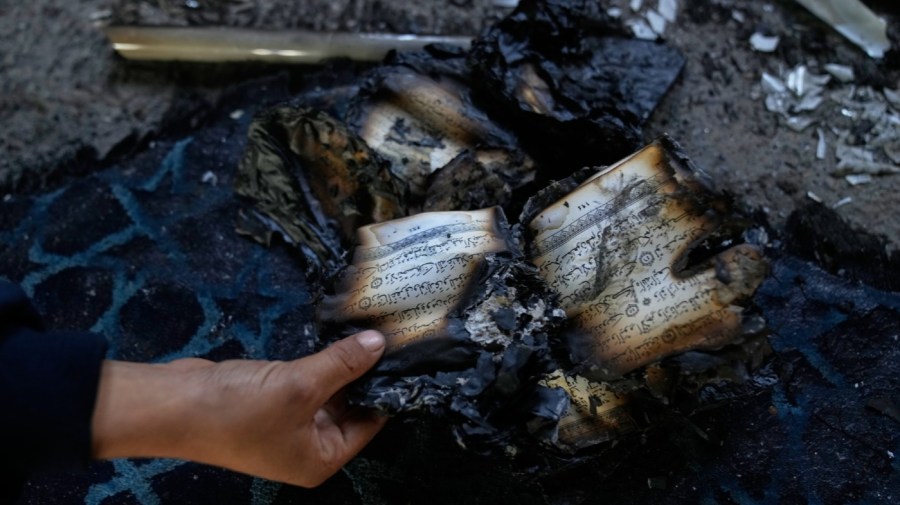
A recent incident highlighted the severity of the situation: on March 15, 2023, a coordinated attack by settlers in the village of Burin resulted in injuries to several residents. Eyewitness accounts describe how settlers descended upon the village, throwing stones and setting fire to agricultural land. The event underscores a troubling trend of violence that is increasingly normalized within the region.
International Response and Inaction
Despite numerous documented instances of settler violence, international responses have often been muted. According to organizations such as Human Rights Watch, the lack of accountability for these attacks contributes to a climate of impunity. Reports indicate that the Israeli authorities and the Israeli Defense Forces (IDF) rarely intervene during such incidents, leaving Palestinians to fend for themselves.
The United Nations has expressed concern regarding the safety of Palestinian civilians in the West Bank. In a statement, a UN spokesperson emphasized the need for accountability and protection for vulnerable communities. Yet, the United States, a key ally of Israel, has faced criticism for its reluctance to address these issues directly. Observers note that, while the US regularly condemns violence on both sides, it often fails to hold Israeli settlers accountable for their actions.
Local Impact and Ongoing Tensions
The repercussions of settler violence extend beyond immediate physical harm. Many Palestinian families report feeling unsafe in their own communities. The fear of violence influences daily life, affecting everything from farming activities to social interactions. A local farmer from Burin, who wished to remain anonymous, described how ongoing attacks have forced him to abandon his fields, leading to significant economic loss. “We are afraid to work our land,” he stated. “Every time we go out, we risk being attacked.”
The ongoing violence and lack of accountability have also strained relations between the Palestinian Authority and the Israeli government. Many Palestinians feel abandoned by their leaders, who seem unable to protect them from settler aggression. This dynamic fosters a sense of mistrust and frustration among the population, complicating efforts toward peace.
As violence continues, the need for a comprehensive international response becomes critical. Many advocates argue that a shift in US policy could help foster accountability and protect the rights of Palestinians. The current situation raises essential questions about the role of international allies in addressing human rights violations and the long-term consequences of inaction.
The situation in the West Bank remains fluid, and without significant intervention, the cycle of violence is likely to persist. The international community, particularly the United States, faces mounting pressure to reassess its approach to the Israeli-Palestinian conflict and work toward more effective solutions.