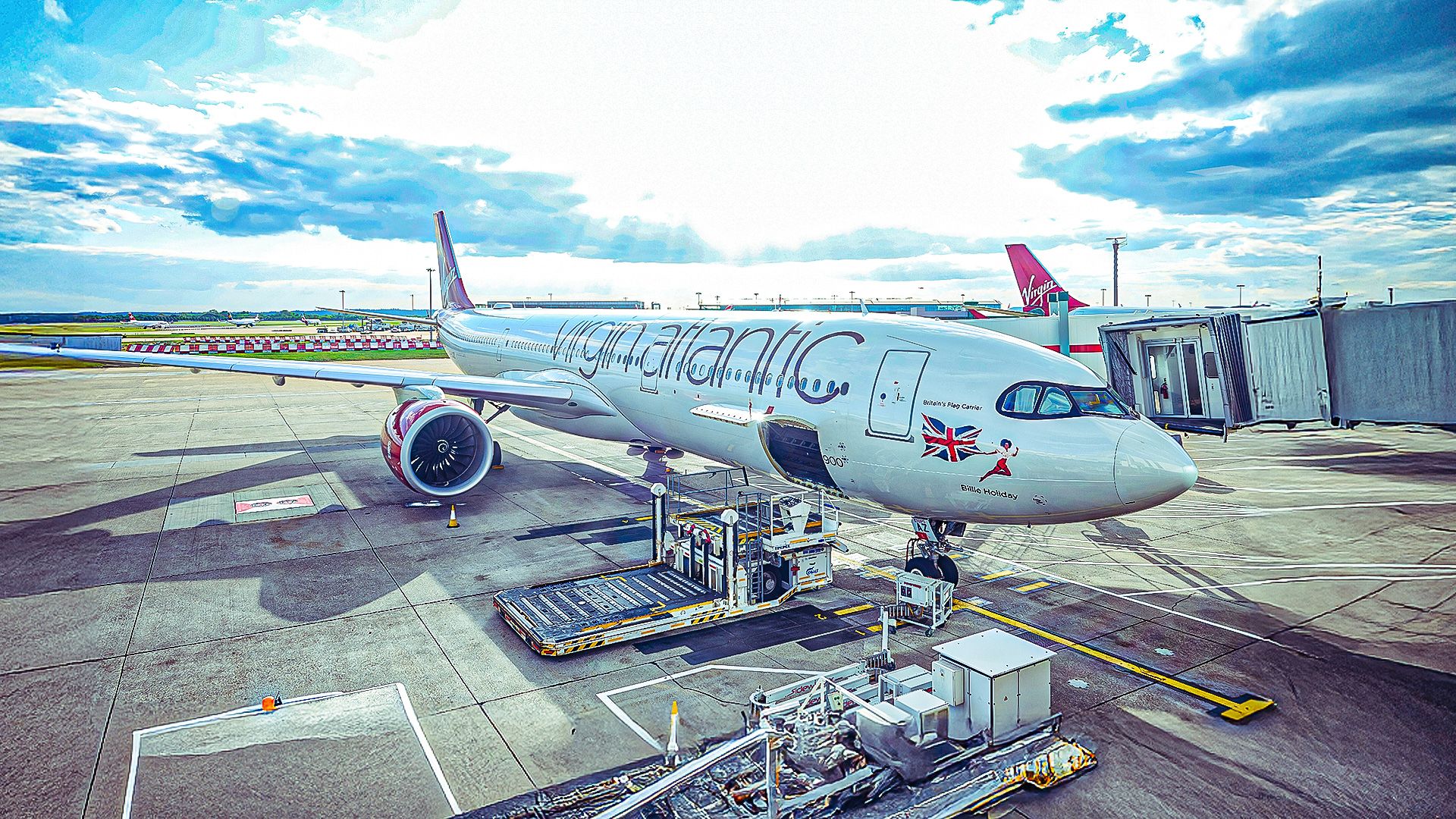
A passenger traveling with Virgin Atlantic was arrested at Miami International Airport (MIA) this week for attempting to transport approximately 65 pounds of marijuana in her luggage. The traveler, identified as Begum Mulazimoglu, 22, was apprehended after customs officers detected a strong odor emanating from her checked bags during routine screening.
During the inspection, customs officials conducted an X-ray examination of Mulazimoglu’s two hard-sided suitcases. This revealed a total of 60 vacuum-packed bundles of marijuana, with 30 bundles in each suitcase. Each bundle also contained an Apple AirTag, a tracking device that traffickers often use to monitor their contraband. In addition to the drugs, Mulazimoglu was found to possess approximately $1,000 in cash, in both US dollars and British pounds.
Charges and Legal Consequences
Following her arrest, Mulazimoglu was charged with a first-degree felony related to drug trafficking. Miami-Dade Judge Victoria Sigler remarked during the bond hearing, “It looks like you’re charged with illegal trafficking in 65 pounds of marijuana. Well, that would be heavy.” Under Florida law, the minimum sentence for such an offense is three years in prison, although the large quantity of marijuana could result in a more severe penalty.
While marijuana is legal in several US states for medicinal and recreational use, Florida maintains strict laws against its recreational possession. The state does allow medical marijuana usage, but a recent vote in 2024 to legalize recreational use did not garner enough support. This context adds weight to Mulazimoglu’s charges, as transporting significant amounts of marijuana internationally remains a felony.
Background on Drug Trafficking Trends
Miami has long been a focal point for drug trafficking activities, with customs officials frequently uncovering large drug shipments at MIA. In a recent report, Customs and Border Protection (CBP) noted that over 573,000 pounds of illegal drugs were seized at US borders, including airport busts, during the fiscal year 2024. The rise in detection rates can be attributed to advancements in airport security technology.
One such initiative is the CBP’s new International Remote Baggage Screening program. This allows officers to review X-ray images from foreign airports in real time, enabling them to flag suspicious bags before they arrive in the US. This proactive approach enhances the capacity to identify potential security threats and streamline the processing of arriving flights.
As concerns grow around opioid trafficking, particularly fentanyl, law enforcement agencies are continually adapting their strategies. The CBP has been experimenting with a trace-vapor analysis tool to detect fentanyl, which has been linked to a staggering number of overdose deaths in the US—over 48,000 last year, according to the Centers for Disease Control and Prevention (CDC).
Mulazimoglu’s case serves as a reminder of the ongoing challenges authorities face in combating drug trafficking, as well as the serious legal repercussions for those caught in the act.