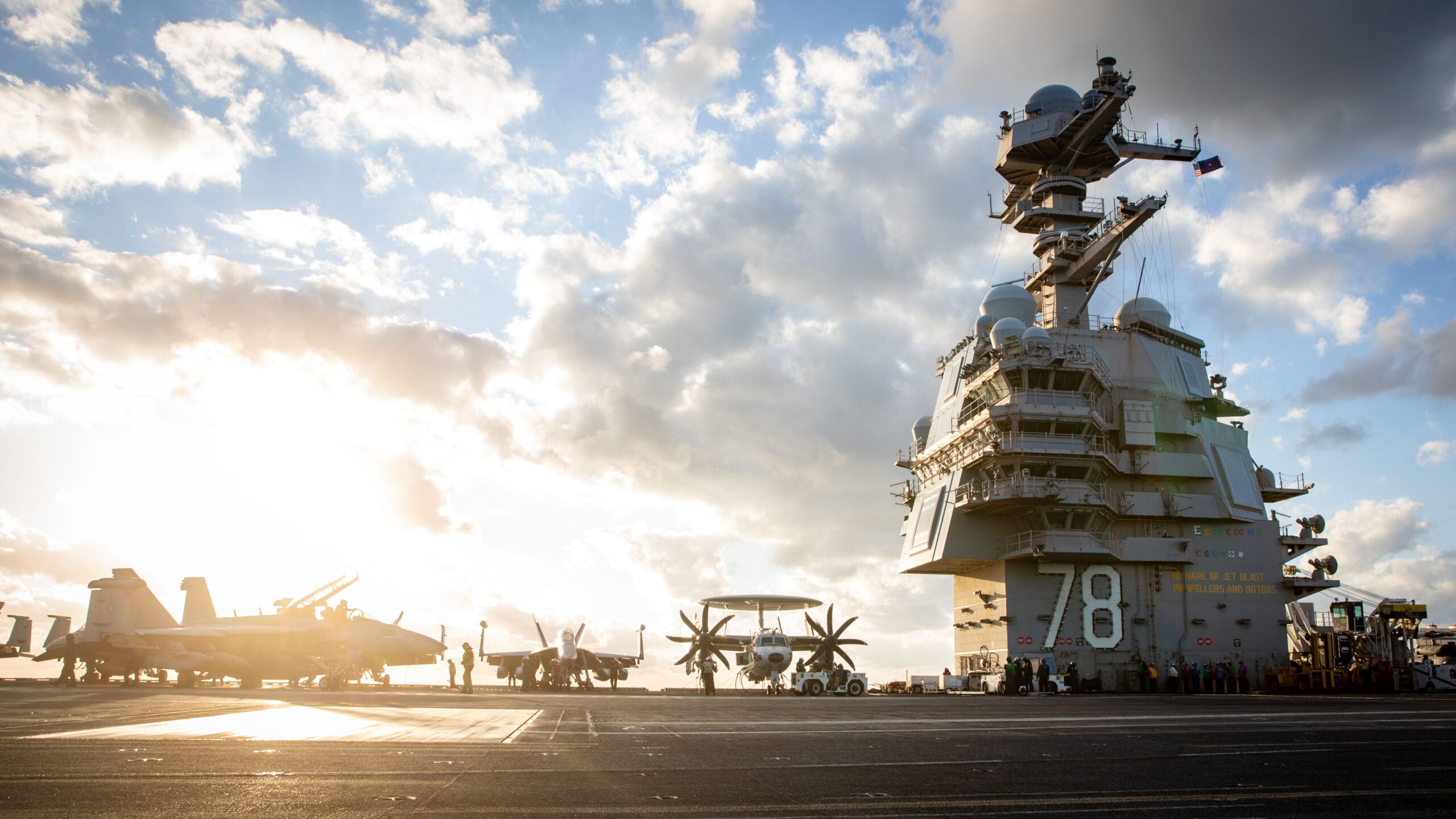
The aircraft carrier USS Gerald R. Ford (CVN-78) is set to deploy from the Caribbean Sea to the Middle East, a move that could establish new records for U.S. naval deployments. This transition is part of a broader strategy to bolster military presence in the region amid ongoing tensions related to Iran’s internal unrest and nuclear negotiations with the United States.
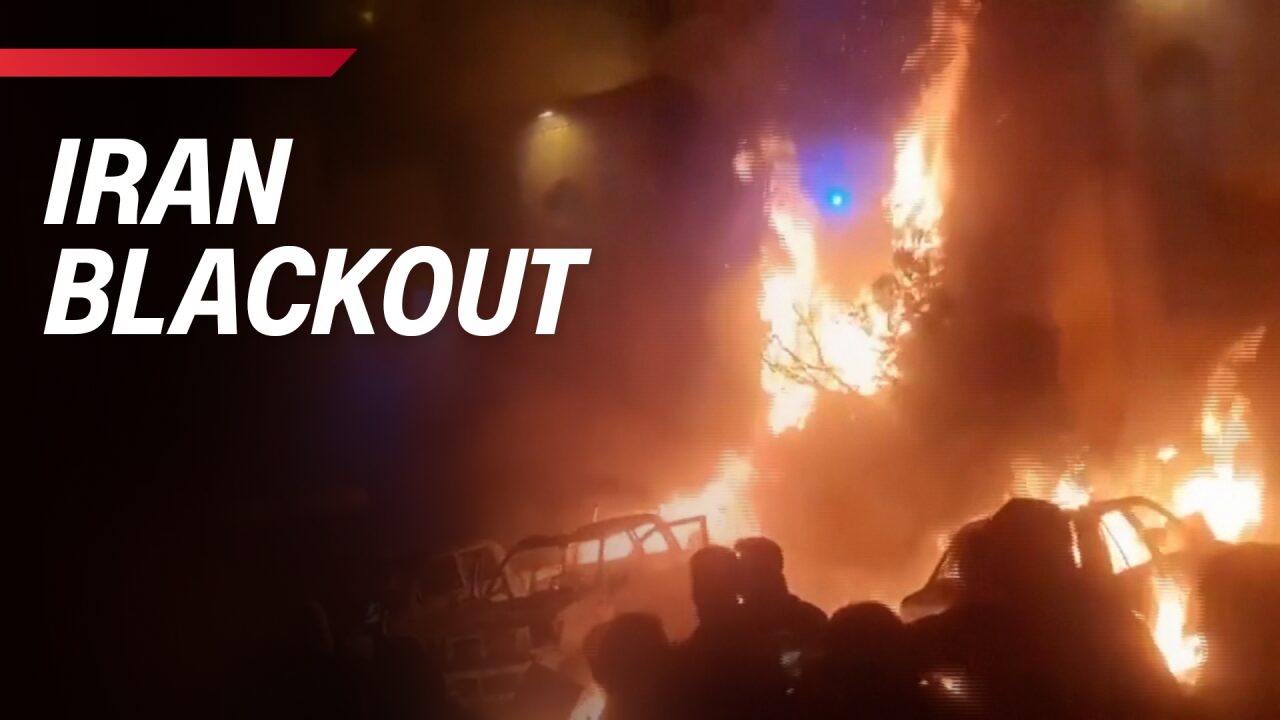
The USS Gerald R. Ford, along with its escort vessels and Carrier Air Wing 8, is now tasked with joining the USS Abraham Lincoln Carrier Strike Group. This shift comes in response to a series of developments, including the Iranian government’s violent crackdown on protestors and escalating diplomatic dialogues with Tehran. The New York Times first reported that the Ford may remain in the region until as late as May 2025.
Originally deployed in June 2025, the strike group was redirected in October to the Caribbean and has operated under the U.S. Southern Command since mid-November. The carrier played a pivotal role in January when U.S. forces captured former Venezuelan President Nicolás Maduro in a high-stakes operation supported by aircraft from the carrier.
Extended Deployments Becoming Common
The trend of extending deployments for East Coast carrier strike groups beyond the Navy’s planned seven-month schedule has gained traction in recent years. Factors contributing to this shift include a strained carrier fleet due to maintenance delays and increased operational demands from combatant commanders. Since December 2021, carrier strike groups have averaged almost nine-month deployments.
This shift in deployment focus is particularly evident following the October 7, 2023, attacks by Hamas in Southern Israel and subsequent Houthi aggression in the Red Sea, prompting a pivot towards Middle East-centric operations.
If the USS Gerald R. Ford remains deployed past April 15, it will surpass the 294-day record for post-Vietnam War carrier deployments, previously established by the USS Abraham Lincoln in 2020. Should the carrier’s deployment extend into early May, it could rival previous extended missions in the Gulf of Tonkin, which exceeded 300 days.
U.S. Naval Institute (USNI) News utilizes an internal database to track carrier deployment data, focusing solely on operational missions rather than training exercises or certification cruises. This distinction underscores the significance of the upcoming deployment.
Upcoming Carrier Deployments and Naval Strategy
Looking ahead, the next U.S.-based carriers scheduled for deployment are the USS George H.W. Bush (CVN-77) from Norfolk, Virginia, and the USS Theodore Roosevelt (CVN-71) from San Diego, California. The Bush is currently undergoing its final graduation exercise, a crucial step for certification in national tasking that typically takes at least one month. The Navy has previously expedited this process when operational needs arise.
The announcement of the USS Gerald R. Ford’s new mission comes as the Navy seeks to enhance its management of carrier deployments while simultaneously working to recapitalize its surface and carrier fleets. As geopolitical tensions persist, the operational readiness of U.S. naval forces remains a pivotal aspect of national security strategy.