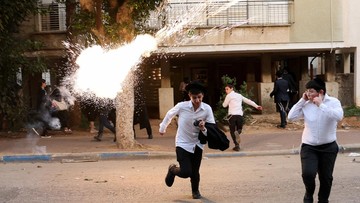
Demonstrations are intensifying in Jerusalem as members of the ultra-Orthodox Jewish community protest against a new recruitment program for the Israel Defense Forces (IDF). This initiative aims to include ultra-Orthodox Jews, traditionally exempt from military service, into the ranks of the IDF.
The protests have drawn thousands to the streets, where they express strong opposition to the government’s efforts to integrate their community into military service. The ultra-Orthodox community, known for its distinct religious practices and lifestyle, argues that military service conflicts with their values and way of life.
The Israeli government introduced the recruitment initiative in an effort to bolster military numbers and ensure that all segments of society contribute to national defense. Many in the ultra-Orthodox community view this as an infringement on their religious rights and a threat to their cultural identity.
Local leaders have emphasized that the ultra-Orthodox community has historically engaged in alternative forms of national service, such as volunteering and community support, which they believe should suffice. They argue that forcing military service upon them disregards their longstanding traditions and beliefs.
Growing Tensions and Community Response
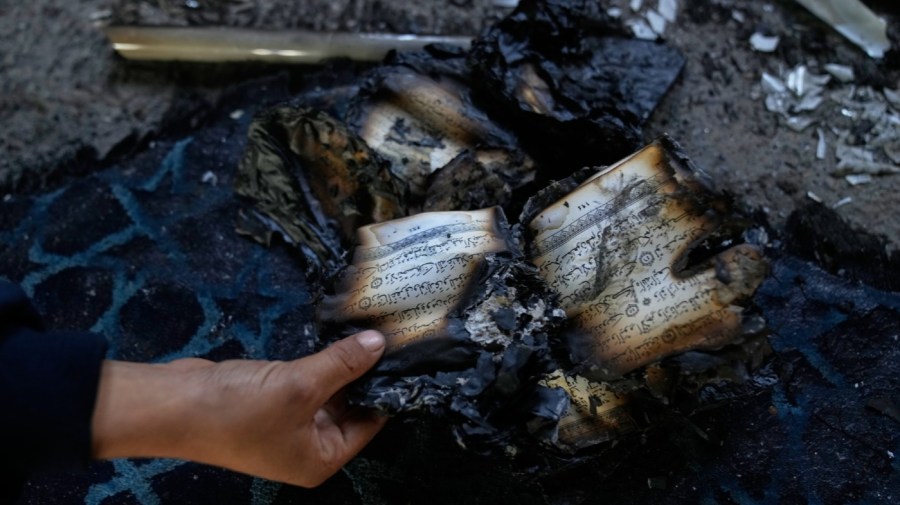
Tensions have escalated since the announcement of the recruitment program, with protests becoming a regular occurrence. Organized by community leaders, these demonstrations feature not only vocal dissent but also symbolic acts, such as the burning of military uniforms as a statement against the recruitment efforts.
October 2023 has seen an increase in these protests, attracting attention from various sectors of Israeli society. The ultra-Orthodox community is calling for dialogue with government officials, seeking a resolution that respects their religious beliefs while addressing national security needs.
As the protests continue, the Israeli government faces a challenging balancing act. Officials must consider the demands of the ultra-Orthodox community while maintaining the integrity of military service, which remains a cornerstone of Israeli society.
Public sentiment appears divided, with some supporting the need for inclusivity in the IDF and others advocating for the preservation of the ultra-Orthodox community’s unique identity. As the situation develops, both sides are urged to engage in constructive conversations to find a mutually acceptable solution.
In a country where military service is seen as a rite of passage, the struggle over recruitment policies highlights deeper societal divides. The outcomes of these protests could have lasting implications for Israel’s demographic landscape and its approach to military service in the future.