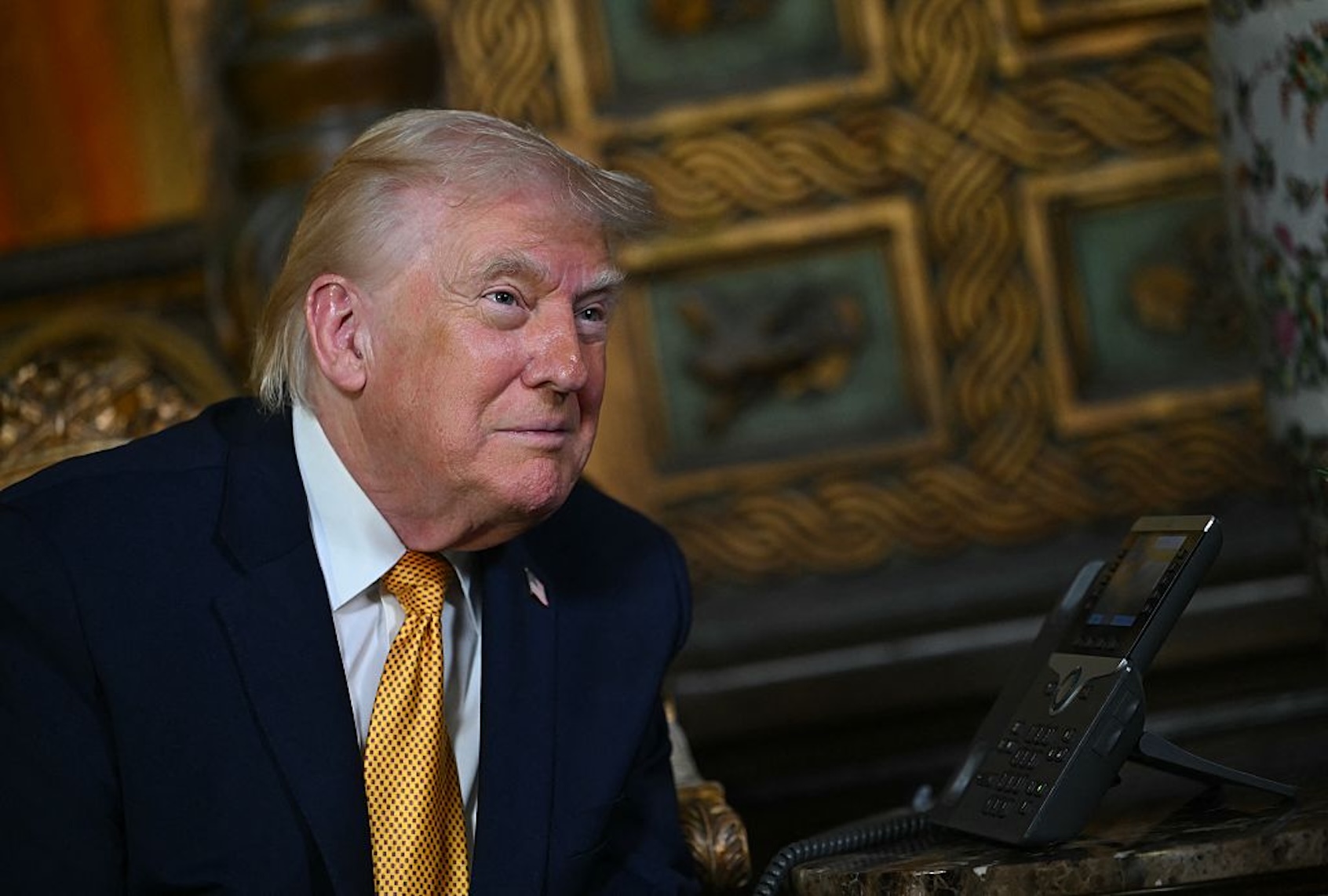
The United States has conducted military strikes targeting ISIS positions in Nigeria, as confirmed by President Donald Trump on November 9, 2023. In a statement posted on his social media platform, Truth Social, Trump described the operation as a significant response to the ongoing violence against Christians in the region. He stated, “Tonight, at my direction as Commander in Chief, the United States launched a powerful and deadly strike against ISIS Terrorist Scum in Northwest Nigeria.”
Trump’s remarks highlighted the severity of the situation, claiming that ISIS has been responsible for “viciously killing, primarily, innocent Christians” in Nigeria. He emphasized that the level of violence has not been seen for many years, asserting that he had previously warned ISIS of dire consequences if they did not cease their actions.
While the President characterized the military operation as involving “numerous perfect strikes,” he did not disclose specific details regarding the number of casualties or the exact targets of the strikes. The lack of information raises questions about the operational objectives and outcomes of this military engagement.
Background on U.S. Military Actions
The strikes in Nigeria follow a series of military operations by the U.S. in Syria aimed at ISIS targets, which occurred shortly after the killing of two U.S. soldiers and an interpreter. In early November, Trump had instructed the Pentagon to prepare for potential military action in Nigeria, citing concerns that the Nigerian government was not adequately addressing the persecution of Christians. On November 1, he warned that if the U.S. were to intervene, the response would be swift and severe, paralleling the brutality of the attacks against Christians.
In response to Trump’s comments, Defense Secretary Pete Hegseth acknowledged on social media that the “Department of War,” as referred to by the Trump administration, was indeed preparing for action. This indicates a shift in U.S. military focus towards addressing threats posed by extremist groups in Nigeria.
The Nigerian government has rejected Trump’s claims regarding its lack of action against religious violence. President Bola Ahmed Tinubu stated on social media that such characterizations do not represent Nigeria’s reality. He emphasized that religious freedom and tolerance are fundamental to the nation’s identity and that Nigeria opposes all forms of religious persecution.
Local and International Reactions
Analysts have noted that while Christians are among the victims of armed groups in Nigeria, the majority of those affected are Muslims, particularly in the country’s northern regions where violence is most prevalent. Tinubu’s administration has stressed that Nigeria is committed to protecting the rights of all its citizens, regardless of their faith.
The recent military action has sparked a complex dialogue regarding the U.S. role in foreign conflicts, particularly in regions marked by deep-seated ethnic and religious divides. As the situation evolves, further updates are expected to clarify the implications of these strikes on both U.S.-Nigeria relations and the broader fight against terrorism.
As this story continues to develop, further details regarding the strikes and their impact on the situation in Nigeria will be provided.