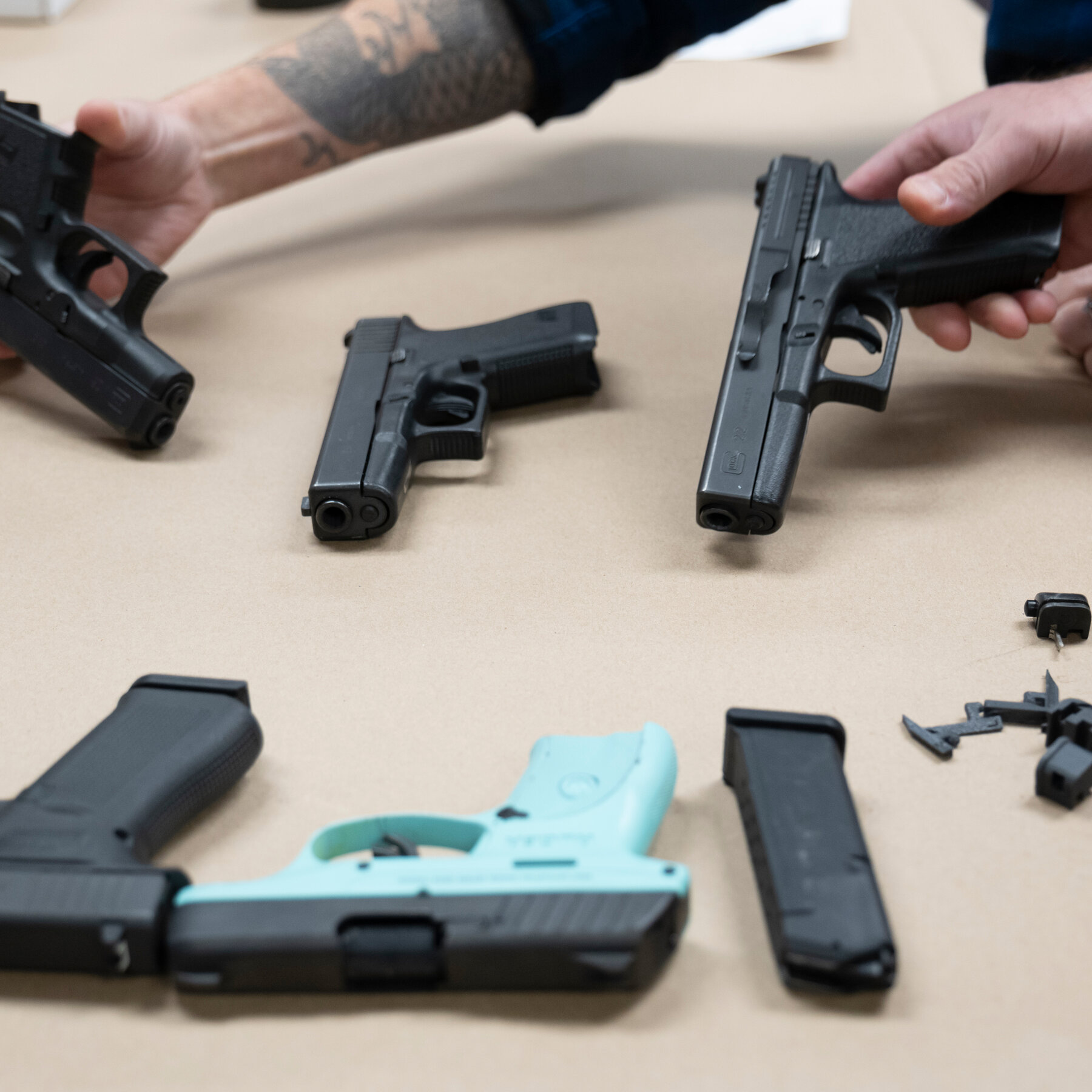
The influx of illegal firearms from the United States is significantly escalating gun violence in Canada. According to the Royal Canadian Mounted Police (RCMP), a substantial number of guns involved in criminal activities in Canada are smuggled across the nearly 8,900-kilometer border. This surge has raised alarms among law enforcement and community leaders, as firearm-related homicides have reached alarming levels.
The RCMP reports that over 80% of the firearms recovered from crime scenes in Canada originate from the United States. In 2022 alone, Canada recorded approximately 1,000 gun-related homicides, a figure that underscores the growing crisis. Cities like Toronto and Ottawa have particularly felt the impact, where shootings have become increasingly frequent and brazen.
Escalating Violence and Community Impact
The rise in firearm-related incidents has led to heightened concerns among residents. In Toronto, there were more than 400 shootings reported in 2023, marking a significant increase compared to previous years. Community advocates are urging for more stringent measures to tackle the issue of illegal gun trafficking.
Local governments have implemented various strategies to combat this crisis. Initiatives include public awareness campaigns and increased funding for law enforcement to improve border security and tracking of illegal firearms. However, many community leaders argue that these measures are not enough to address the root causes of gun violence, which often stem from socio-economic factors and gang activity.
Legislative Responses and Public Sentiment
In response to the increasing violence, the Canadian government is considering new legislation aimed at tightening gun control measures. Significant proposals are on the table, including restrictions on handgun ownership and enhanced penalties for trafficking firearms. These moves have sparked debates across the political spectrum, with some advocating for stricter controls while others argue for the rights of lawful gun owners.
Public sentiment is divided. A recent survey indicated that nearly 65% of Canadians support stronger gun control laws. Yet, there remains a segment of the population that fears such measures may infringe upon personal freedoms. As discussions continue, the urgency of the situation remains clear: without effective intervention, gun violence in Canada is likely to persist.
The escalating crisis emphasizes the need for a collaborative approach. Both Canadian and U.S. authorities must work together to address gun trafficking issues and devise comprehensive strategies to mitigate the impact of illegal firearms. As the situation evolves, the implications for public safety and community well-being remain critical concerns for all stakeholders involved.