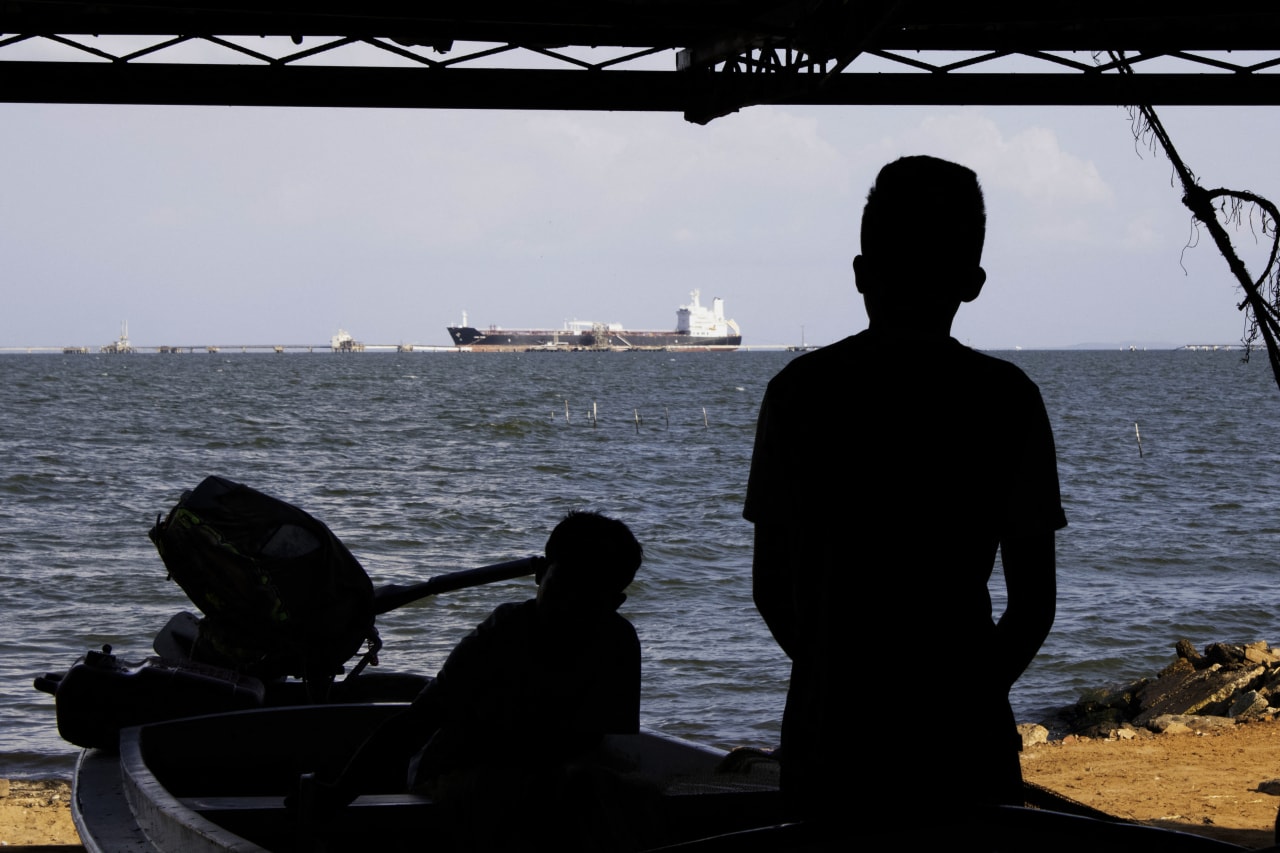
The U.S. Coast Guard has successfully intercepted the sanctioned tanker Olina in international waters close to Venezuela. This marks the fifth tanker boarded by U.S. forces in a campaign aimed at curbing illicit oil trade linked to the Venezuelan government. The operation underscores ongoing U.S. efforts to enforce sanctions against entities involved in the sale of Venezuelan oil.
On October 15, 2023, the Coast Guard deployed its resources after tracking the Olina, which is believed to be operating under the Venezuelan regime’s directives. The tanker was reportedly attempting to transport oil to foreign markets in violation of existing sanctions. The U.S. has been actively monitoring Venezuelan oil shipments, which have emerged as critical revenue sources for the government amid economic challenges.
The interception of the Olina reflects a broader strategy by the U.S. to disrupt the Venezuelan oil industry’s ability to generate income. The U.S. Department of the Treasury has placed stringent sanctions on Venezuelan oil exports, significantly impacting the country’s economy. According to official reports, these measures aim to hold accountable those who contribute to the ongoing humanitarian crisis in Venezuela.
Continued Monitoring and Future Operations
U.S. authorities have indicated that they will continue to monitor and intercept vessels suspected of engaging in illegal oil trade. The Coast Guard’s operations are part of a larger framework of international efforts to address the challenges posed by sanctioned regimes. The U.S. government has emphasized its commitment to enforcing these sanctions rigorously, with a focus on protecting the integrity of global oil markets.
The Olina’s interception adds to a series of actions taken by the U.S. to deter further illicit oil transportation from Venezuela. Analysts have noted that the Venezuelan government relies heavily on oil exports to finance its operations. The impact of these sanctions has been profound, leading to significant declines in oil production and exacerbating the economic situation in the country.
Officials from the U.S. Coast Guard have stated that they are prepared to take decisive actions against vessels that attempt to bypass sanctions. These operations not only aim to disrupt oil supply chains but also to send a clear message to other vessels considering similar actions. As the situation evolves, additional measures may be implemented to further tighten control over Venezuelan oil exports.
International Implications and Responses
The ongoing U.S. campaign against Venezuelan oil shipments has drawn attention from various international stakeholders. Countries that have traditionally engaged with Venezuela in oil trade are reassessing their positions in light of U.S. sanctions. The geopolitical landscape surrounding oil trade in the region is shifting, with potential repercussions for global markets.
In response to U.S. enforcement actions, Venezuela’s government has criticized the sanctions as forms of economic warfare. Officials in Caracas have vowed to seek alternative markets and strategies to maintain their oil exports. The situation remains fluid as both sides navigate the complexities of sanctions and international oil trade.
The interception of the Olina serves as a reminder of the intricate connections between geopolitics and global oil markets. As the U.S. continues its campaign, the ripple effects will likely be felt beyond the immediate region, influencing international energy policies and trade relations. The coming months will be crucial in determining the future of Venezuelan oil exports and the effectiveness of U.S. sanctions.