President Donald Trump has intensified his strategy in Latin America by targeting Venezuelan President Nicolás Maduro. This move represents a significant escalation in U.S. interventions in the region, aiming to reshape political dynamics and assert American influence. The recent actions against Maduro have sparked discussions about the broader implications for Latin America, particularly regarding U.S. foreign policy.
Venezuela has been in a state of turmoil for several years, with economic collapse and widespread protests against Maduro’s regime. The U.S. has long criticized the government’s handling of the economy, which has led to hyperinflation and severe shortages of basic goods. Trump’s administration has utilized sanctions and diplomatic pressure to support opposition groups, seeking to undermine Maduro’s authority.
In early February 2024, the U.S. escalated its rhetoric and actions against Maduro, imposing further sanctions targeting key sectors of the Venezuelan economy. This included restrictions on the oil industry, which is vital for the country’s revenue. According to the U.S. Department of the Treasury, these measures are designed to “restore democracy” and address human rights violations committed under Maduro’s rule.
Impacts on Regional Stability
The situation in Venezuela is not just a localized issue; it has profound implications for regional stability. Countries across Latin America are grappling with how to respond to Trump’s aggressive posture. Nations like Colombia and Brazil have expressed support for U.S. efforts, while others, including Mexico, have called for dialogue rather than confrontation.
The Venezuelan crisis has led to millions of refugees fleeing the country, creating a humanitarian crisis that extends beyond its borders. According to the United Nations, over 7 million Venezuelans have left since 2014, and neighboring countries have struggled to accommodate the influx of migrants. This has prompted discussions about regional cooperation and solidarity, as well as concerns about the potential for increased tensions.
Trump’s Long-Term Strategy
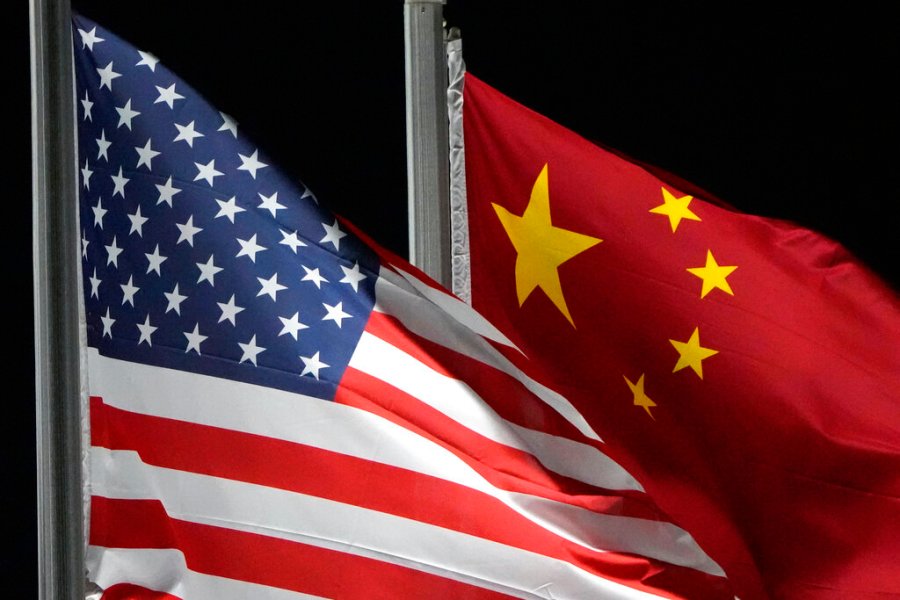
Trump’s focus on Venezuela is part of a broader strategy to assert U.S. dominance in the Americas. His administration has emphasized a commitment to supporting democratic movements while countering influences from adversarial nations such as Russia and China. The U.S. has accused these countries of attempting to exploit the instability in Venezuela for their geopolitical interests.
The implications of Trump’s actions could resonate throughout the region. Analysts suggest that if the U.S. successfully undermines Maduro, it might embolden opposition movements in other countries facing authoritarian governance. Conversely, failure to achieve desired outcomes could lead to a perception of weakness, undermining U.S. credibility in future engagements.
As the situation develops, the stakes are high for both Venezuela and the wider region. With economic implications and the potential for increased conflict, the international community will be closely monitoring Trump’s next moves and their ramifications for Latin America.
The unfolding events in Venezuela highlight the complexities of U.S. foreign policy in a region historically impacted by American interventions. How this situation evolves will undoubtedly shape the political landscape of Latin America for years to come.