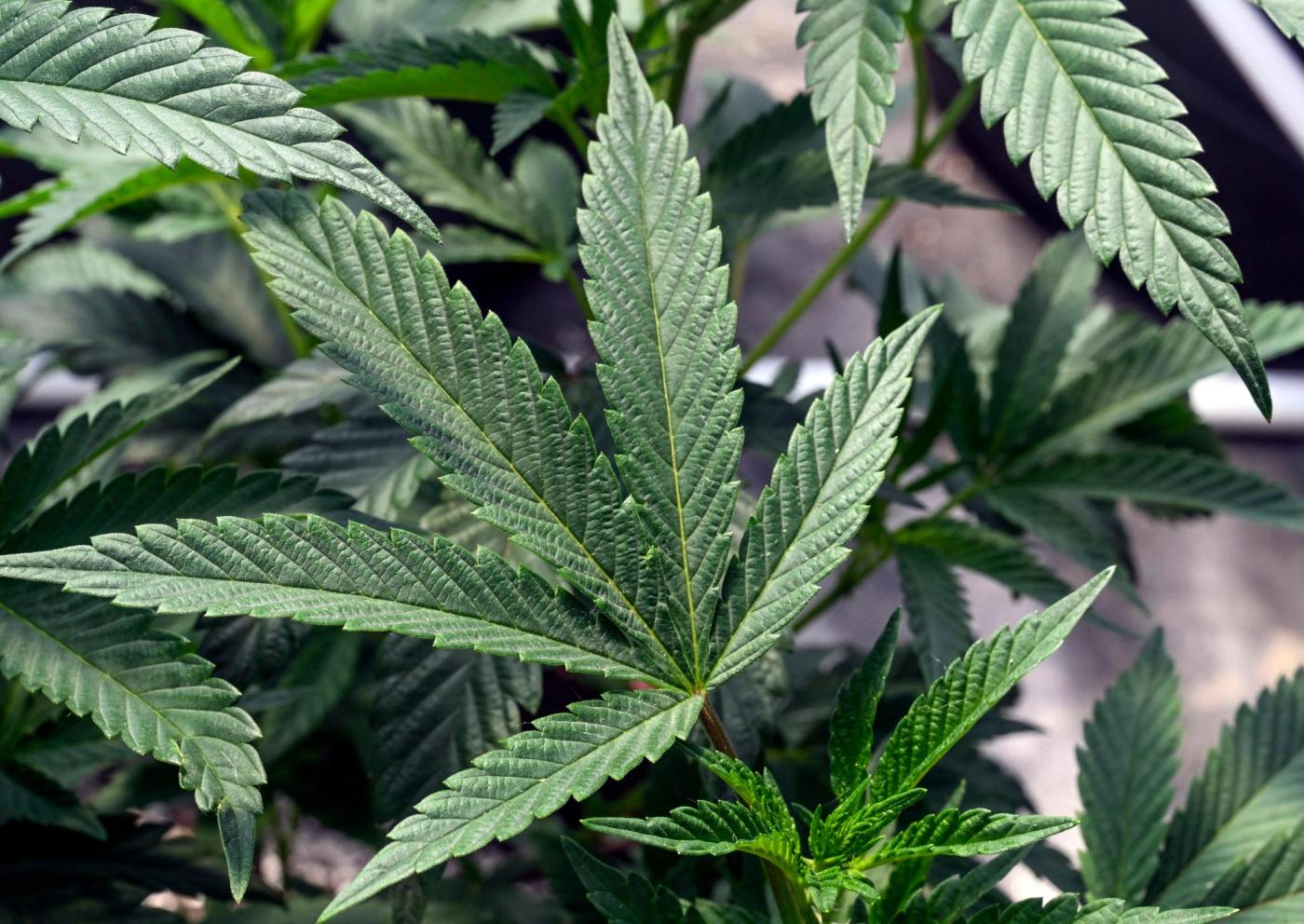
President Donald Trump has signed an executive order aimed at accelerating the reclassification of marijuana from a Schedule I to a Schedule III substance. This change could have significant implications for the cannabis industry and research, although experts suggest that individual marijuana users may not benefit as much.
The move follows an ongoing discussion that began under President Joe Biden, with some Republican senators advocating for marijuana to remain classified as a Schedule I drug. Schedule I drugs are deemed to have no accepted medical use and a high potential for abuse, placing marijuana in the same category as heroin.
During the signing ceremony, Trump emphasized the medical necessity of marijuana, stating, “We have people begging for me to do this.” He highlighted the plight of patients suffering from severe ailments, including chronic pain, aggressive cancers, and neurological disorders. According to a survey by the Pew Research Center, nearly 90% of Americans support legalizing marijuana for at least medical use, with 40 states and the District of Columbia already permitting its medical use.
Impacts on Cannabis Industry and Research
Experts like Katharine Neill Harris, a drug policy expert at Rice University, assert that the most immediate beneficiaries of this reclassification will be the cannabis industry. Businesses operating legally in states with medical and recreational marijuana programs currently cannot take federal tax deductions due to the Schedule I classification. Transitioning to Schedule III would allow these businesses to benefit from such tax provisions.
Harris notes that research on marijuana has been hindered by its current classification. She stated, “The hope is that with Schedule III, the research process will be more streamlined.” Such a change could facilitate more studies on marijuana products that reflect actual consumer use.
While reclassification may shift perceptions of marijuana use and contribute to reducing stigma, Harris cautions that it will not legalize marijuana at the federal level, lift criminal penalties, or necessarily increase access for users.
Timeline for Reclassification Uncertain
The timeline for completing the reclassification process remains unclear and was not specifically addressed in the executive order. Harris speculated that if the process is expedited, it could be finalized within the next few months, potentially by early 2024.
In conclusion, while the reclassification of marijuana may bring significant advantages to the cannabis industry and research community, its direct benefits to individual users appear limited. The evolution of marijuana policy continues to unfold amid changing public opinion and state-level legalization efforts.