Recent calls to “globalize the Intifada” have ignited heated discussions surrounding antisemitism in Australia, particularly in locations such as Bondi Beach. The rhetoric, associated with certain leftist groups, has prompted a backlash against expressions of antisemitism that some claim have been overlooked or even normalized.
Incidents of violence and antisemitic sentiments have surged in various parts of the world, including Australia, as reactions to the ongoing Israel-Palestine conflict intensify. The street demonstrations, initially framed as acts of solidarity with Palestinians, have often taken a dark turn, leading to an increase in hostility towards Jewish communities.
At the forefront of this discussion are leftist factions, who have faced criticism for their rhetoric against Zionism. Many of these groups, which have long been vocal about their opposition to Israeli policies, now find themselves confronting the consequences of their statements. The backlash comes as a shock to some within these circles, illustrating a disconnect between their intentions and the violent outcomes that can arise from their advocacy.
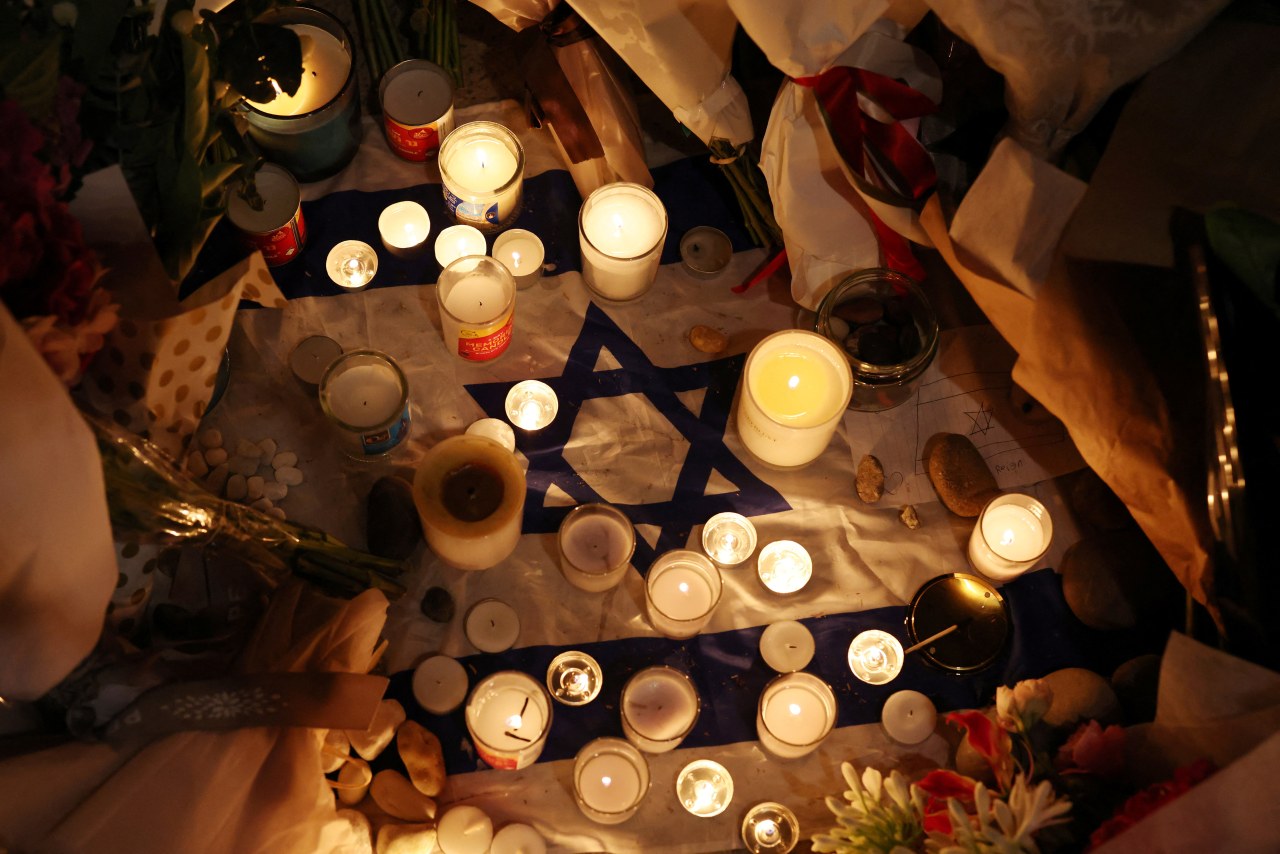
Statements made at protests have sparked outrage among Jewish communities. Reports indicate that many demonstrators have crossed lines into overtly antisemitic expressions, prompting fears for safety among community members. In October 2023, significant incidents were reported in urban areas, where chants and slogans were interpreted as inciting violence against Jews, raising alarms for civil rights organizations.
The Australian government, alongside various civic leaders, has condemned these instances of antisemitism. They emphasize the importance of distinguishing between legitimate criticism of Israeli policies and hate speech directed at Jewish individuals and communities. The distinction is critical for maintaining social harmony in a diverse and multicultural society.
As the debate continues, both sides of the political spectrum are grappling with the implications of their rhetoric and actions. Prominent political figures have weighed in, calling for a more nuanced understanding of the conflict and its ramifications at home. The rise in antisemitic incidents has led to increased security measures in Jewish neighborhoods and institutions.
Calls for unity against hate speech resonate across communities, but the challenge remains in addressing the underlying issues that fuel such divisive sentiments. Advocates for change emphasize the need for dialogue and education to foster a better understanding of complex geopolitical issues without resorting to hostility.
The future of community relations in Australia may hinge on how these conversations evolve. As the conflict continues to unfold internationally, local responses will be critical in shaping perceptions and actions at home. The urgency of combatting hate speech and fostering inclusive discussions remains paramount for all stakeholders involved.