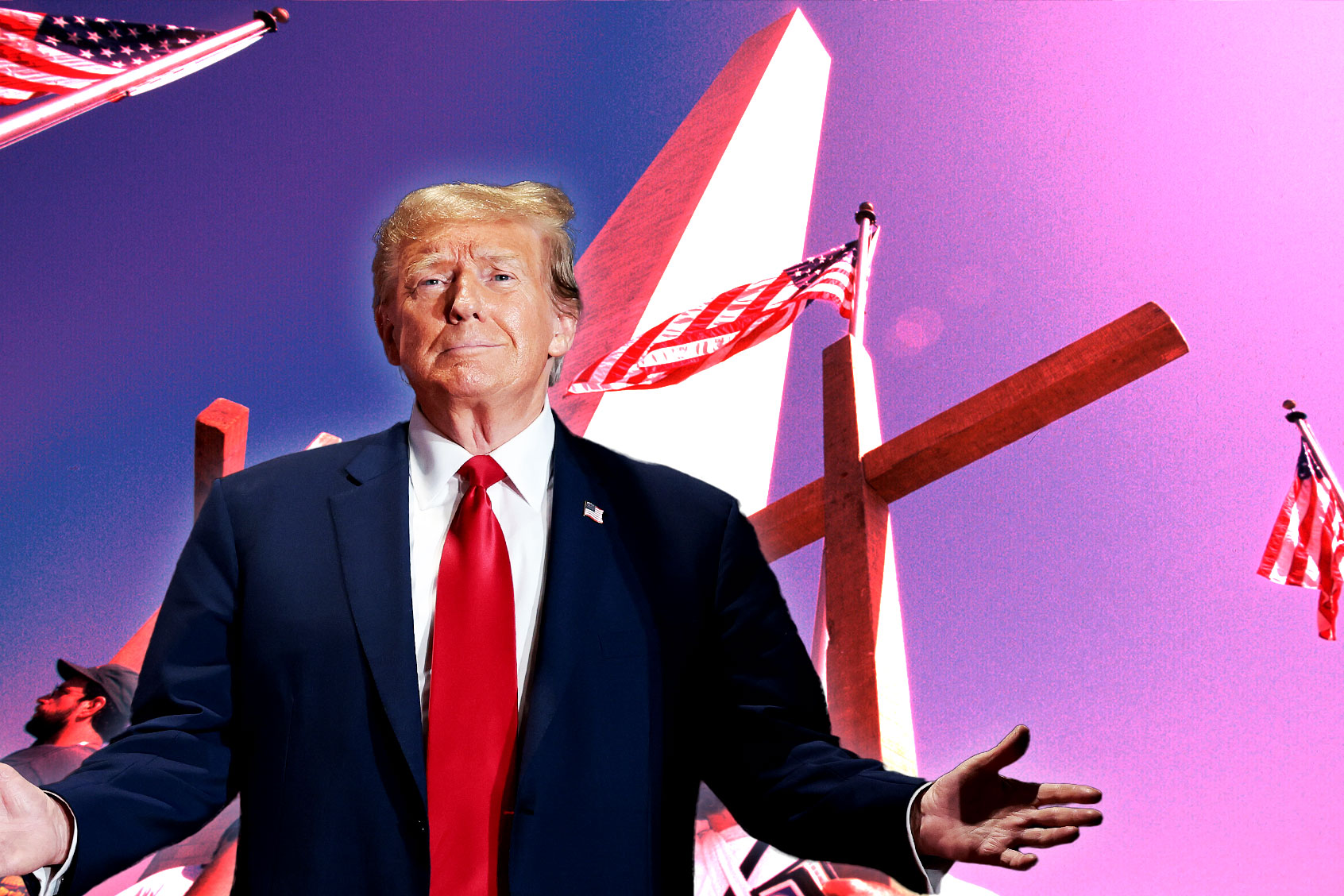
The political landscape surrounding Donald Trump and his administration is facing significant challenges as divisions emerge over religious values and immigration policies. In the first year of his second term, Trump has issued a striking 225 executive orders, surpassing the total from his first term. Among these, several orders explicitly emphasize a vision of America as a right-wing Christian nation, raising questions about the implications for his coalition.
On February 6, 2025, Trump established a task force focused on eliminating what he termed “Christian bias” within government. The following day, he created the White House Faith Office, aimed at enforcing religious liberty protections. Three months later, he announced the formation of the Religious Liberty Commission, declaring an intent to “bring back religion in our country…quickly and strongly.” This marked a clear pivot towards a more overtly religious framework within his administration.
Since a near-assassination attempt in July 2024, Trump has frequently invoked his belief in divine authority, stating, “I was saved by God to make America great again.” JD Vance, the Vice President, has echoed this sentiment, recently asserting at the Turning Point USA conference, AmericaFest, that “by the grace of God we will always be a Christian nation.” This rhetoric, while unifying for some, has sparked contention among various Christian communities, including within the Catholic Church, of which Vance is a member.
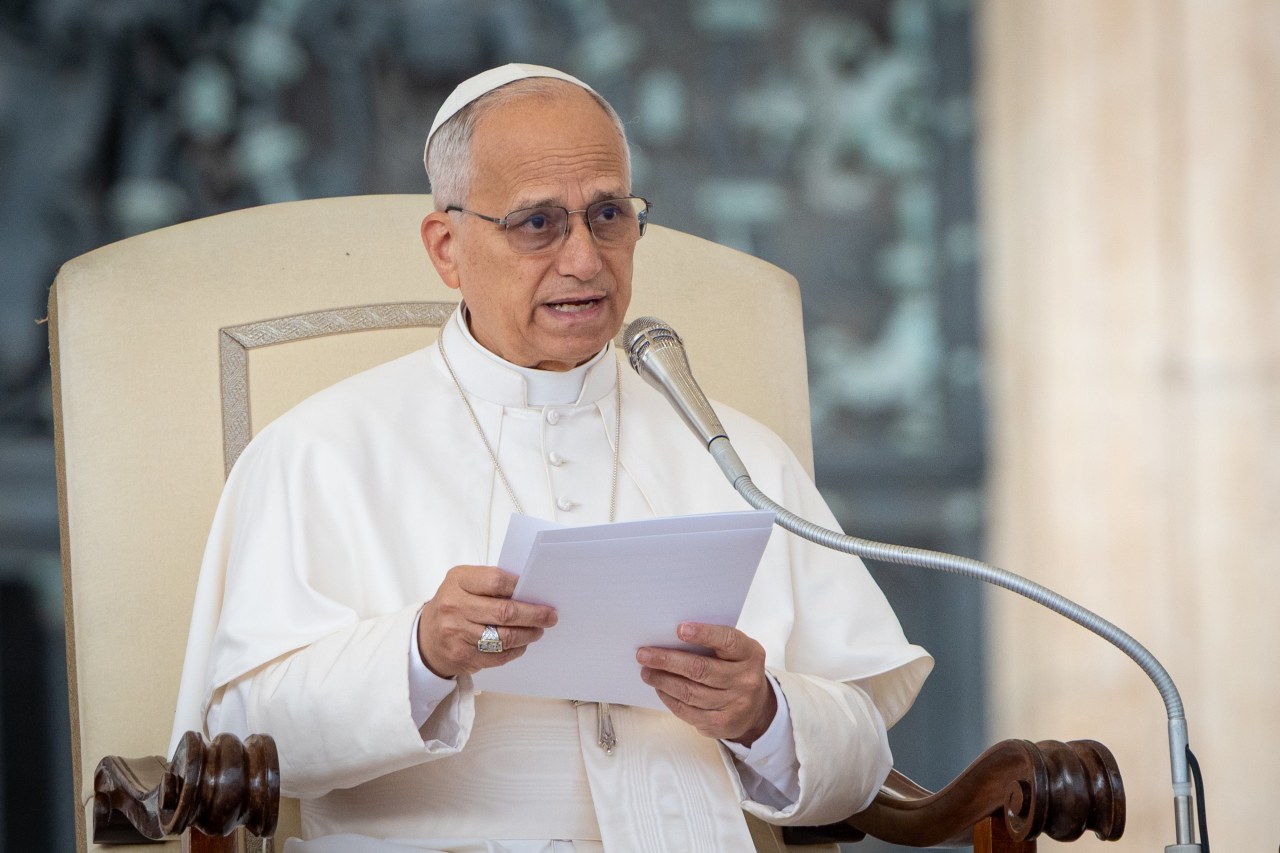
Pope Leo XIV has openly criticized the administration’s immigration policies, particularly those targeting specific communities such as Somali-Americans. In a recent Cabinet meeting, Vance reacted passionately against Trump’s xenophobic remarks, highlighting a growing rift within the coalition. The pope has condemned the treatment of undocumented immigrants, emphasizing the need for humane treatment, while the U.S. Conference of Catholic Bishops issued a statement opposing mass deportation and calling for an end to dehumanizing rhetoric.
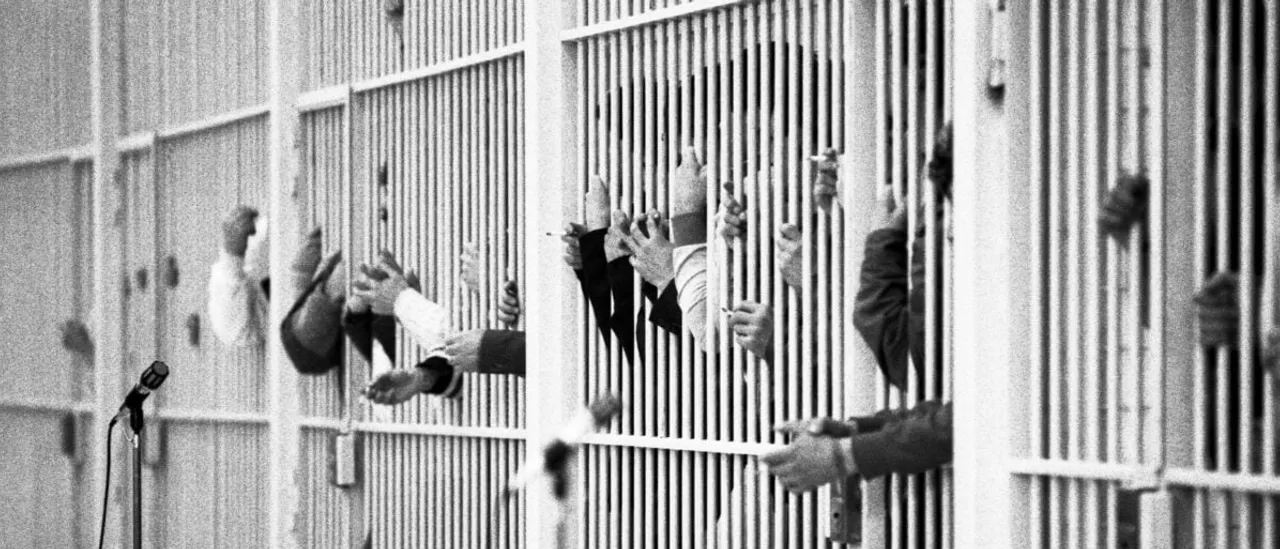
The Episcopal Church has also voiced its dissent, issuing statements against the administration’s immigration policies since Trump took office. Following the signing of his initial immigration executive orders, the church urged the administration to exercise mercy and compassion, particularly toward vulnerable groups facing separation and abuse in detention. Recently, the church ended a long-standing refugee resettlement partnership with the government, citing concerns over the focus on resettling specific demographics, while cutting off asylum claims for many others.
A notable shift is occurring among evangelical churches, which have historically held significant influence within the Republican Party. Although the Southern Baptist Convention previously called for greater support for asylum claimants, the latest convention saw a conspicuous silence on the issue. Many local pastors express concern for their minority and immigrant congregants but fear backlash from conservative members. This reluctance to engage with immigration issues suggests a deeper schism within the MAGA coalition.
Despite the growing Latino evangelical population, which has shown support for Trump, the Southern Baptist leadership appears hesitant to assert a stance on immigration. Just four decades ago, only four percent of Latin Americans identified as evangelical; that figure has now risen to approximately 20 percent. The failure to address these issues could alienate a crucial demographic that represents the future of the church.
Americans across the spectrum recognize the fundamental principle of treating individuals with dignity and respect, regardless of their immigration status. As the political climate evolves, the tension between professed Christian values and the administration’s policies may lead to further fractures within Trump’s coalition. The real divide lies between those advocating for justice and compassion and those embracing a more punitive approach, despite their claims of piety. The outcome of this internal conflict will undoubtedly shape the future of American politics and religion.