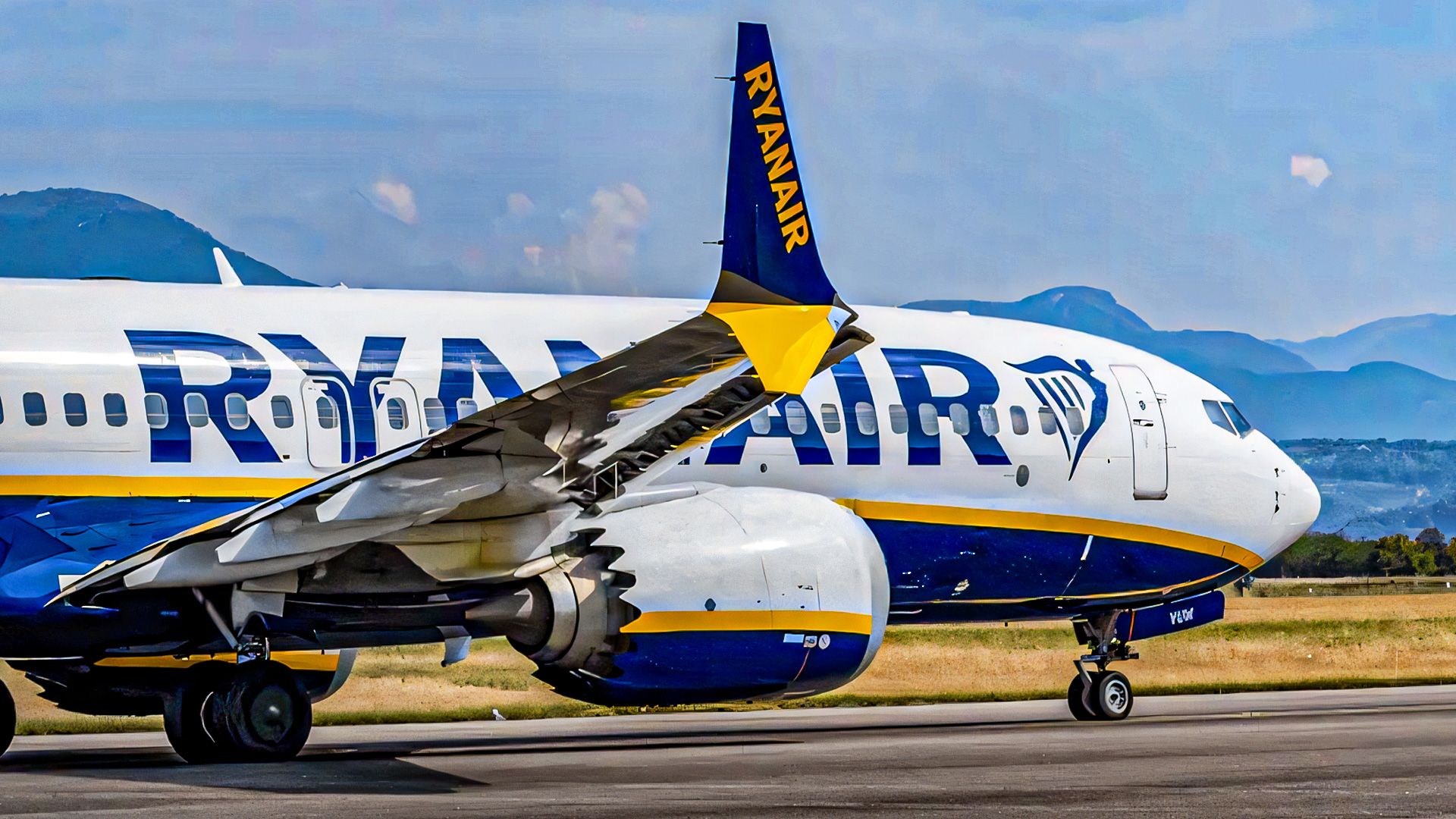
Ryanair is set to optimize its operations significantly in 2026 with the introduction of 206 Boeing 737 MAX 8-200 aircraft to its fleet. The airline plans to utilize these jets as part of its strategy to expand its network and reduce costs. By the end of February 2026, Ryanair expects to have completed deliveries of all its ordered models, culminating in a total fleet of 643 aircraft. This expansion is crucial as the airline aims to enhance its flight offerings, particularly in high-demand markets.
The Boeing 737 MAX 8-200, often referred to as the “Gamechanger,” is designed specifically for low-cost carriers like Ryanair. This variant provides a high-density seating arrangement, allowing the airline to maintain competitive pricing while maximizing revenue potential. As noted by Ryanair’s management, the aircraft supports the company’s low-cost model, which hinges on efficient operations and quick turnaround times.
Fleet Expansion and Route Optimization
Ryanair has ambitious growth plans for the 2026 summer season. The airline announced it will launch 106 new routes, leveraging the capabilities of the Boeing 737 MAX 8-200 to increase capacity and improve cost efficiency. The addition of these aircraft is expected to play a pivotal role in Ryanair’s ability to meet increasing travel demands across Europe.
According to Cirium Aviation Analytics, Ryanair plans to operate approximately 350,411 flights using the MAX 8-200 in 2026, offering a total of over 69 million seats. This translates to an average of 960 flights per day, highlighting the critical role the aircraft will play in the airline’s operations. The high-density configuration, featuring 197 seats per flight, enables Ryanair to optimize its revenue stream by spreading costs across a larger number of passengers.
The routes most likely to benefit from the introduction of the MAX 8-200 include popular connections between major European cities, such as Dublin and London. With high-frequency services on routes like Dublin to London Gatwick, Stansted, and Birmingham, the aircraft is strategically positioned to capture a large share of the market.
Economic Advantages and Operational Efficiency
The Boeing 737 MAX 8-200 is not merely an addition to Ryanair’s fleet but a crucial element in fortifying the airline’s competitive edge. The aircraft’s design allows for lower fuel consumption and reduced noise emissions, essential factors given the increasing scrutiny on environmental impact and operational costs in the aviation sector.
Ryanair’s model emphasizes low unit costs and high aircraft utilization, both of which are enhanced by the MAX 8-200’s capabilities. The increased seating capacity enables the airline to dilute fixed costs related to crew and airport fees across a larger passenger base. This is particularly advantageous in competitive markets where pricing strategies are paramount.
Additionally, the aircraft’s compatibility with Ryanair’s existing fleet simplifies maintenance and training processes. By integrating the MAX 8-200 into its operations rather than introducing an entirely new fleet type, Ryanair can maintain operational consistency and efficiency, which is vital for its cost-cutting strategy.
The strategic deployment of the MAX 8-200 aligns with Ryanair’s long-term growth objectives outlined by CEO Michael O’Leary. His consistent messaging to investors emphasizes the importance of this aircraft in driving profitability and expanding the airline’s footprint across Europe.
In conclusion, the Boeing 737 MAX 8-200 represents a significant step forward for Ryanair as it seeks to enhance its operational capabilities and expand its market presence. As the airline prepares for a busy summer in 2026, the successful integration of this aircraft will be crucial in sustaining its low-cost business model while meeting the evolving demands of air travel.