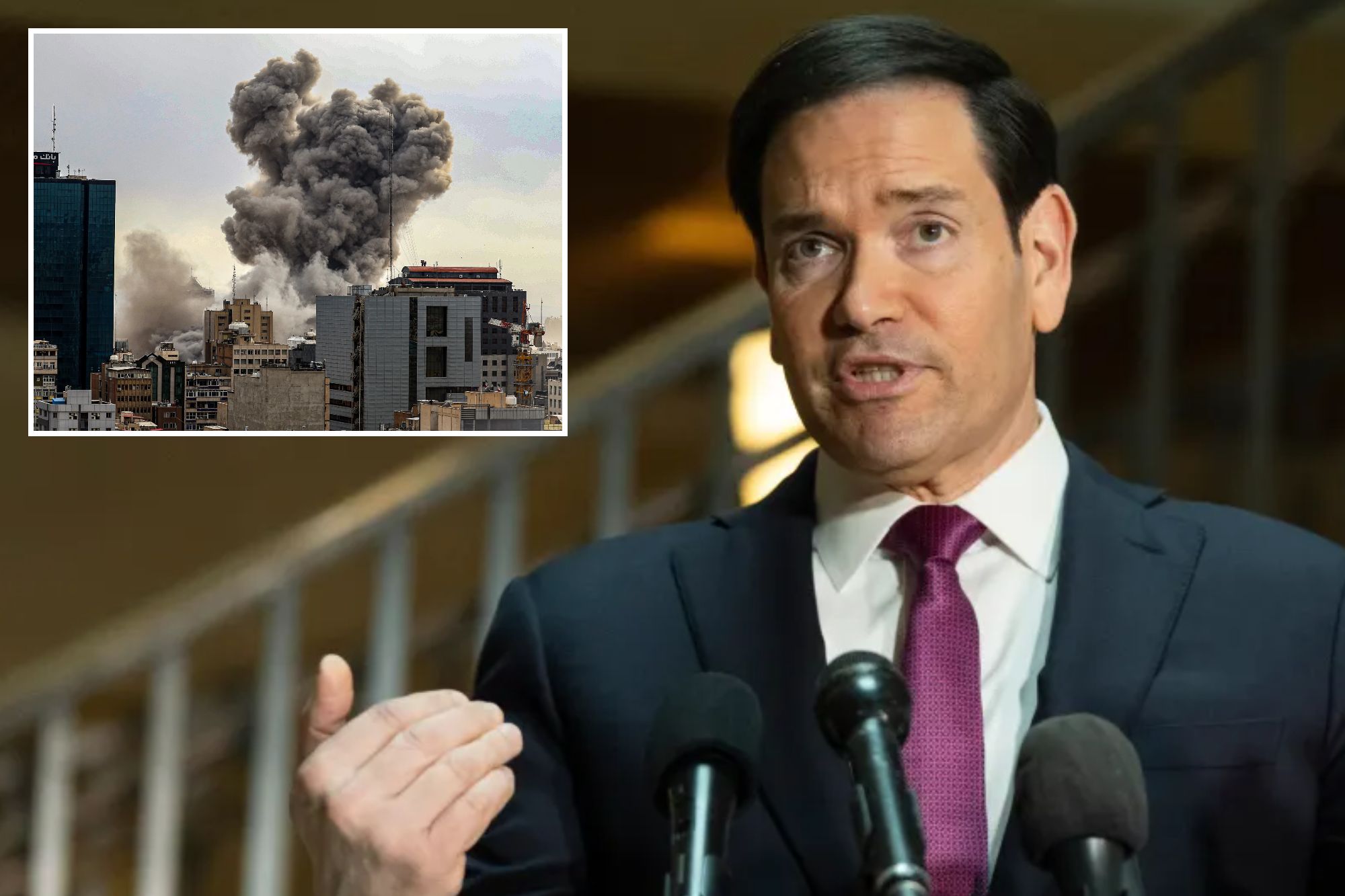
Secretary of State Marco Rubio confirmed that the United States conducted military action against Iran due to intelligence indicating an impending strike by Israel. During a briefing for lawmakers on Capitol Hill, Rubio stated that the administration anticipated retaliation from Tehran, describing Iran as an “imminent threat.”
Rubio explained, “We knew that there was going to be an Israeli action. We knew that would precipitate an attack against American forces.” His comments followed the recent airstrikes carried out by the US, which were framed as a preemptive measure to safeguard American troops in the region.
The Secretary of State elaborated on the rationale behind the decision, asserting, “Had we not done so, there would have been hearings on Capitol Hill about how we knew this was going to happen.” This statement underscores the administration’s concern regarding the potential consequences of inaction.
Objectives of the Operation
Rubio clarified that the primary objective of the military operation was not to pursue regime change in Iran but to dismantle its ballistic missile program. He emphasized the importance of ensuring that Iran is unable to rebuild this capability, as it could serve as a cover for developing nuclear weapons. “The objectives of this operation are to destroy their ballistic missile capability and make sure they can’t rebuild,” he stated.
While discussing the potential for changing the Iranian government, Rubio maintained that the ultimate goal is to eliminate the threat posed by Iran’s missile capabilities, regardless of who is in power. “We would love to see a new regime,” he remarked, but added, “the bottom line is, no matter who governs that country a year from now, they’re not going to have these ballistic missiles.”
Rubio’s comments reflect a broader strategy aimed at mitigating threats from Iran while balancing regional dynamics. He noted that the elimination of ballistic missiles is crucial for the security not only of American forces but also of allies in the region.
Implications for US-Iran Relations
The US airstrikes mark a significant escalation in military engagement with Iran, a nation that has been a focal point of American foreign policy challenges. The backdrop of these developments includes ongoing tensions between the two countries and a complex relationship with Israel, which has historically viewed Iran as a primary adversary.
As the situation unfolds, the implications for US-Iran relations remain uncertain. The Trump administration’s approach has been characterized by a willingness to take decisive action, reflecting a shift from previous diplomatic efforts aimed at curbing Iran’s nuclear ambitions through negotiations.
In summary, Rubio’s assertions highlight a proactive stance taken by the United States in response to perceived threats from Iran, shaped by intelligence and regional alliances. The focus on dismantling missile capabilities serves as a pivotal element in the ongoing discourse surrounding national security and international relations in the Middle East.