Political analysts indicate that as the 2026 midterm elections approach, a significant decline in congressional legislative activity is likely to continue. With a record number of executive orders signed by President Donald Trump this year, experts suggest that lawmakers may be hesitant to take bold actions as they prepare for the electoral landscape.
According to Todd Belt, director of the political management program at George Washington University, midterm election years typically see a reduction in congressional output. “Politicians are risk-averse creatures,” he stated, explaining that lawmakers often refrain from making controversial decisions during election cycles. This trend is evident across both political parties.
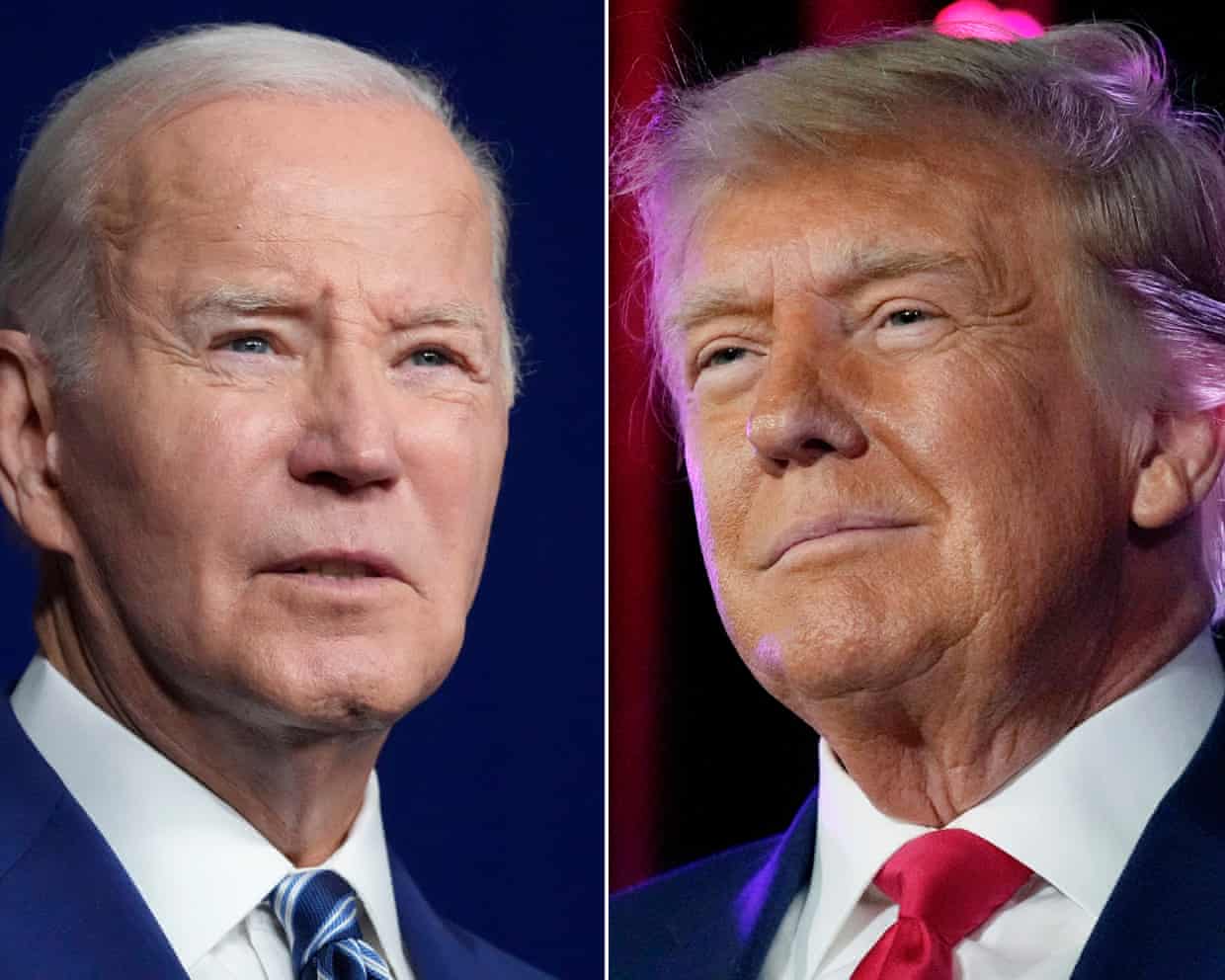
In 2023, Trump signed a remarkable 225 executive orders, outpacing the total from his first term within just 11 months. In contrast, The Washington Post reported that Congress achieved a historic low in legislative activity, with only 38 bills passed and signed into law by December 19. Although Trump later signed six additional bills, bringing the yearly total to 44, this figure remains low compared to previous administrations: 76 laws during the first year of Trump’s first term, 68 laws under Joe Biden, and 115 laws during Barack Obama‘s first year.
Experts like Casey Burgat, legislative affairs program director at George Washington University, point out a lack of enthusiasm for legislative initiatives. Despite the Republican Party controlling the White House and both chambers of Congress, the slim margins in the House and Senate complicate efforts to pass significant legislation. Different factions within the Republican Party often have conflicting priorities, making consensus difficult.
Burgat noted that Congressional Republicans are aware of the challenges and have become increasingly willing to allow Trump to govern through executive orders. This dynamic allows the party to claim policy victories without the complexities of legislative processes. “He can do it with the stroke of a pen,” Burgat added, indicating that lawmakers are content to receive credit for policies enacted by the President.
As the midterm elections draw closer, Seth McKee, a politics professor at Oklahoma State University, highlighted the political risks Republicans face. The party’s flagship legislation, dubbed the “One Big Beautiful Bill,” has not resonated well with the public. McKee emphasized that while representatives in solidly Republican districts may endorse Trump’s policies, those in competitive areas might struggle to justify their support. This scenario presents an opportunity for Democrats, who plan to campaign against a perceived “do-nothing Congress.”
Burgat remarked that while Democrats lack control of Congress, the party could leverage voter dissatisfaction to its advantage in 2026. Historical trends suggest that the party of the sitting president often loses seats in midterm elections, with Trump’s Republicans already experiencing a loss of 40 House seats in 2018. The Cook Political Report currently identifies 17 out of 435 House seats as toss-ups for the upcoming midterms, while only two Senate seats are considered competitive.
Political experts believe that Democrats are strategically positioned to reclaim the House, although the Senate remains more favorable for Republicans. Despite the current low legislative output, notable efforts have been made, such as the GOP’s substantial “One Big Beautiful Bill,” which consolidates numerous policy initiatives into one legislative package.
Charles Hunt, a politics professor at Boise State University, commented on the trend toward omnibus legislation, suggesting that while it may give the appearance of reduced congressional activity, it can effectively consolidate various priorities into a single bill. Nevertheless, he characterized the current Congress as dysfunctional, pointing to Mike Johnson, Speaker of the House, as having faced significant challenges from within his party. The split between far-right members and moderates complicates the legislative process, especially with the looming midterm elections.
Despite the challenges, Hunt believes Congress has taken steps to reassert its authority, citing recent votes that compelled Trump to release information related to the Epstein files and ongoing discussions about banning stock trading among members. As Congress prepares for the current fiscal year’s spending bills, analysts remain skeptical about substantial legislative progress in 2026, focusing instead on budgetary matters.
Belt concluded that while there may be some congressional action in response to judicial decisions affecting Trump’s powers, the overall legislative landscape seems bleak. Key issues, such as expiring subsidies under the Affordable Care Act, could prompt lawmakers to revisit important topics, but significant new legislation is unlikely as political dynamics shift heading into the midterms.