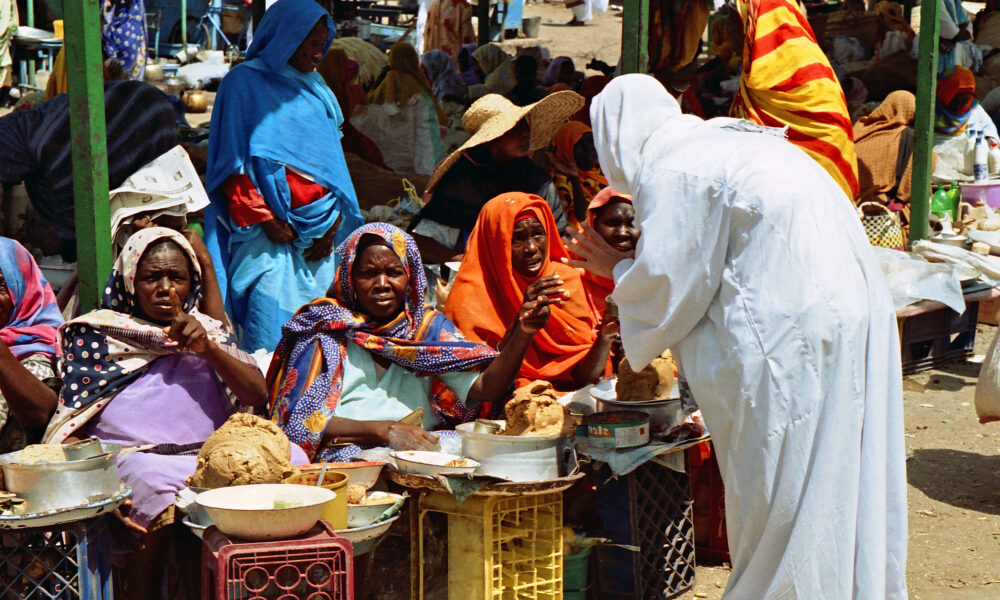
More than one million people have returned to Khartoum, the capital of Sudan, in the past ten months despite ongoing humanitarian challenges, according to the International Organization for Migration (IOM). This significant movement of returnees occurs against a backdrop of severely damaged basic services, with reports indicating that many individuals face dangerous conditions, including disease outbreaks and inadequate infrastructure.
The IOM’s findings highlight the precarious state of Khartoum as it continues to grapple with the consequences of civil war, which erupted in April 2023. The return of over one million individuals represents a mix of resilience and alarming risk, as many face threats from ongoing violence, including indiscriminate shelling and sexual violence.
Conditions for Returnees Remain Dire
Ugochi Daniels, the IOM Deputy Director General for Operations, emphasized the dual nature of this return. She stated, “I met people coming back to a city still scarred by conflict, where homes are damaged and basic services are barely functioning.” The IOM has reported that approximately 3.7 million displaced individuals remain in Khartoum, highlighting the scale of the crisis. The returnees represent only about a quarter of those who were originally displaced by the conflict.
Farhan Haq, UN Deputy Spokesperson, noted that efforts to address the situation are ongoing. “We and our partners continue to scale up our response efforts where access allows,” he said. Despite these efforts, the humanitarian needs are immense. The IOM’s latest report follows earlier warnings from UN officials that around 30 million people in Sudan require urgent humanitarian assistance.
Continued Violence and Humanitarian Concerns
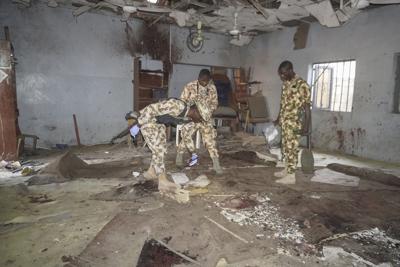
The situation in Sudan remains precarious. Reports indicate that recent violence in El Fasher has resulted in numerous civilian casualties, underscoring the dangers that persist even as people attempt to return home. The UN High Commissioner for Human Rights has condemned the violence, calling for immediate action to protect civilians.
The crisis continues to escalate, prompting international calls for intervention. The ongoing civil war has left a profound impact on the country’s population, with millions facing dire circumstances. As the situation evolves, the international community is urged to respond to the urgent humanitarian needs of those affected by the conflict.
The complex realities of returning to Khartoum underline the harsh challenges faced by returnees, who are caught between the desire to reclaim their lives and the stark reality of an environment still marred by conflict.