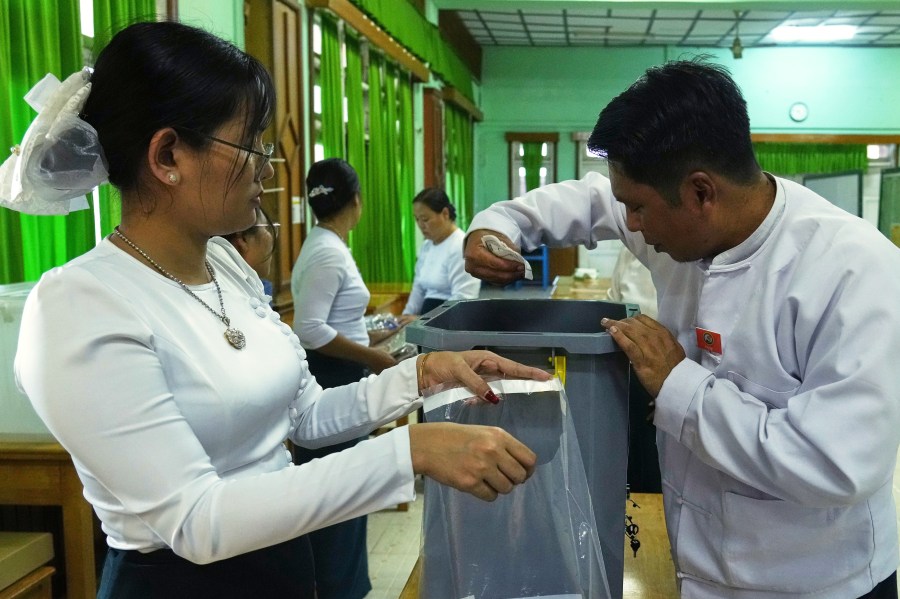
The military-backed party in Myanmar announced that it has secured a commanding lead in the initial phase of the country’s first general election in five years. This declaration, made on Tuesday, comes despite the state election body not yet naming any winners. The election process is being conducted in three phases, primarily due to ongoing armed conflicts affecting various regions.
Election Context and Current Developments
The general election is taking place under a tense political landscape, following years of military rule and civil unrest. The military seized power in February 2021, disrupting a democratic transition that had begun in 2011. Since then, the country has faced widespread protests and violence, leading to a significant humanitarian crisis.
According to the military-backed party, known as the Union Solidarity and Development Party (USDP), they have garnered substantial support in the early voting phase. They reported that many constituencies experienced high turnout, indicating public engagement despite the challenging conditions. However, the official results from the state election body remain pending, and observers are cautious about the accuracy of claims made by political factions involved in the election.
International Reactions and Concerns
The international community has expressed concerns regarding the integrity of the electoral process in Myanmar. Many countries have criticized the military’s control over the elections and the broader implications for democracy in the region. Human rights organizations have raised alarms about the potential for voter suppression and the safety of those participating in the elections.
The ongoing armed conflicts, particularly in areas like Kachin and Shan states, have complicated the election process. These regions have seen significant violence, with various ethnic armed groups opposing the military’s authority. Reports indicate that some voters in conflict zones have faced threats, raising questions about the fairness of the elections.
As the election continues into its subsequent phases, the focus will remain on the turnout rates and the actual results announced by the state election body. Observers are calling for transparency and accountability to ensure that the voices of the Myanmar people are accurately represented.
The situation in Myanmar highlights the broader challenges facing nations transitioning from military rule to democratic governance. With the international community closely monitoring developments, the implications of this election are likely to resonate well beyond Myanmar’s borders.