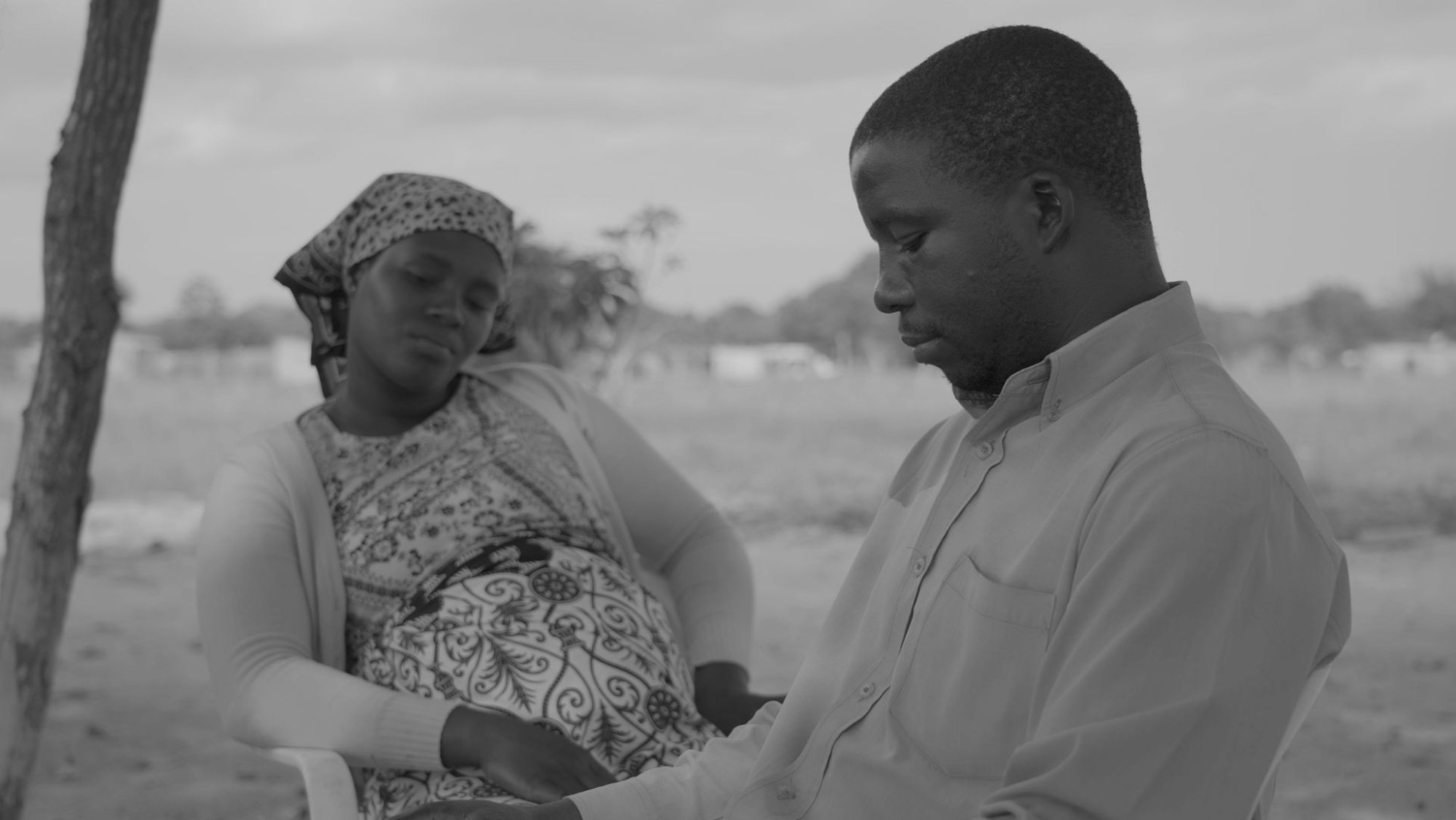
The feature film O profeta (The Prophet), directed by Mozambican filmmaker Ique Langa, makes its world premiere in the Tiger Competition at the International Film Festival Rotterdam on January 30, 2024. The film presents a thought-provoking exploration of doubt, faith, and the allure of the supernatural, encapsulated in a stark black-and-white aesthetic.
Langa’s cinematic journey spans nearly a decade, during which he collaborated with a non-professional cast in the small town of Manjacaze, located in southern Mozambique. The narrative revolves around Pastor Hélder, who, facing a crisis of faith, turns to witchcraft and sacrifice as he seeks to reclaim his spiritual connection. Langa poses a compelling question through this story: can one truly open Pandora’s Box without facing dire consequences?
The film features a diverse cast, including Admiro De Laura Munguambe, Nora Matavel, Alexandre Masnado Coana, Venâncio Jaime Langa, Armando José Macave, and Yara Bonga. Cinematography is handled by Denilson Pombo, with editing by Sara Carneiro. The film is being represented for sales by Luminalia.
Exploring Spirituality and Cultural Context
In an interview with The Hollywood Reporter, Langa shared insights into the inspirations behind The Prophet. He referred to personal experiences in the village where he spent much of his childhood, revealing a notable increase in the number of churches and pastors in recent years. “During my visits, I noticed a rapid proliferation of these churches, going from one to seven in a matter of months,” he recalled. This trend prompted Langa to reflect on the impact of faith and the growing influence of pastors in Mozambique, many of whom are rumored to wield alternative powers.
The film serves as a metaphorical exploration of the pastor’s struggle with faith, mirroring Langa’s own creative doubts. “The story reflects my personal questions about faith, God, and my origins,” he explained. “I imagined how a pastor might be tempted by the allure of shiny objects when faced with challenges in growing his church.” In contrast to Pastor Hélder’s existential crisis, his wife embodies stability and a deeper connection to their shared values.
The narrative unfolds at a deliberate pace, allowing for a meditative exploration of themes such as trauma, ancestry, and the coexistence of traditional and Christian beliefs. Langa emphasized the significance of Mozambique’s cultural heritage, stating, “We believe that when a loved one passes away, they become a spirit and eventually an ancestor. The film delves into this belief, examining how these spiritual concepts intersect with contemporary faith.”
A Unique Creative Vision
Langa’s decision to produce The Prophet in black and white stemmed from a clear artistic vision. Despite encouragement to incorporate color, he felt that the story’s essence could only be captured in monochrome. “When I envisioned the film in color, it never resonated with me. My heart desired it to be black and white,” he noted.
His cinematic influences include renowned directors such as Robert Bresson, Yasujirō Ozu, and Carl Dreyer, whose techniques of silence and pause have inspired Langa to create a contemplative viewing experience. Additionally, he drew from the vibrant Mozambican art scene, particularly the works of celebrated painter Malangatana Ngwenya, to enrich the film’s visual narrative.
The production process involved a strong community component, with Langa opting to cast non-professional actors from Manjacaze. “This film had to be made by the community,” he emphasized, highlighting how the actors brought their own life experiences into their performances. The loss of two key figures during production—Langa’s uncle and a local store owner—added a poignant layer to the film’s energy, as their spirits were honored through the storytelling.
Now, Langa is eager to share O profeta with the world, expressing both pride and excitement about the film’s premiere in Rotterdam. “It has been a long journey of nine years,” he reflected. “Initially, we simply aimed to complete the film, but now we are thrilled to showcase it at such an esteemed festival.”
Looking forward, Langa is already working on his next project, titled Chapa 100, which draws inspiration from his life in Maputo, the capital of Mozambique. He describes it as a fictional story about aging street vendors and the magic that unfolds when an older couple meets later in life. As Langa embarks on this new creative venture, he continues to explore the rich tapestry of Mozambican culture and its narratives.