The McDonnell Douglas MD-11, a notable widebody trijet, has made its mark in the aviation industry since its introduction in 1990. With a design that includes a distinctive tail-mounted engine, the aircraft stands out among its peers. Despite its innovative features, the MD-11 faced significant challenges throughout its operational history, leading to a mixed legacy that continues to evolve.
The Evolution of the MD-11
The MD-11 was developed as an enhanced version of the DC-10, which itself was the first widebody aircraft from McDonnell Douglas, launched in 1969. The DC-10 was designed for medium to long-haul routes and quickly gained popularity among airlines. The MD-11 aimed to compete directly with larger aircraft like the Boeing 747-200, boasting a stretched fuselage and improved fuel efficiency thanks to its refined wing design.
Despite these advancements, the MD-11’s sales figures fell short of expectations, with only 200 units produced before the model was retired in 2000. This lackluster performance can be attributed to a variety of factors, including a shift in market preference toward twin-engine jets, which were often more fuel-efficient and versatile.
Design Features and Challenges
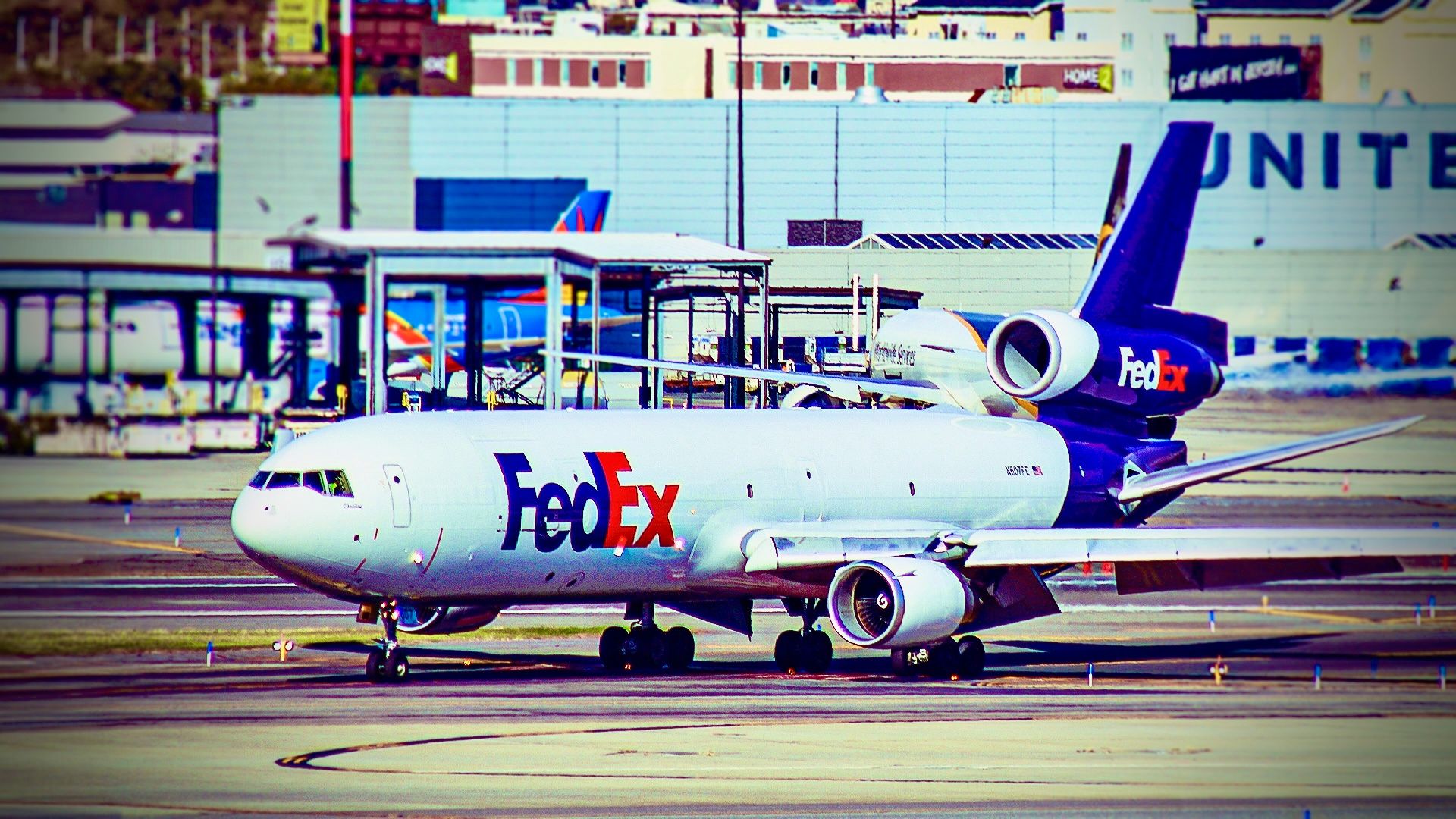
A key attribute of the MD-11 is its unique tail-mounted engine, known as the number two engine. This design, inherited from the DC-10, allowed for reduced fuel consumption compared to larger aircraft like the Boeing 747. However, it also presented several challenges. Unlike other trijets that utilize an S-duct to house the engine, the MD-11’s engine is mounted directly on top of the fuselage, which, while easier to service, compromises aerodynamics and handling during engine failure scenarios.
The design philosophy behind the DC-10 and MD-11 leaned towards cost-efficiency. The decision to position the engine on top of the fuselage was less expensive than implementing a more aerodynamic S-duct. This approach, while practical, limited the aircraft’s competitive edge against rivals like the Airbus A340 and Boeing 777, which benefited from modern twin-engine technology.
The operational difficulties were compounded by the aircraft’s fuel consumption. The MD-11 failed to meet its expected payload-range performance, often burning more fuel than its competitors, a critical disadvantage in an industry increasingly focused on efficiency.
Despite these setbacks, the MD-11 found success in the cargo sector. It was introduced as a freighter from the outset, making it an attractive option for cargo airlines. The aircraft featured a larger capacity and range than many contemporaries, such as the Boeing 767-300F, while consuming less fuel than the Boeing 747 freighter.
Legacy and Future of the MD-11
Although the MD-11 did not attain the same level of success as its predecessors, its legacy as a reliable workhorse in the cargo market endures. The aircraft has remained relevant, with many units still in operation today, particularly with major cargo carriers like FedEx and UPS.
The MD-11’s design and operational characteristics have allowed it to adapt and continue flying into the 2030s. Over 25% of the MD-11s sold were freighter variants, demonstrating its versatility in a market that continues to demand efficient cargo solutions.
As the aviation industry evolves, the MD-11 serves as a reminder of the challenges faced by manufacturers in adapting to shifting market dynamics. While it may not have revolutionized passenger air travel, its contribution to cargo transport highlights the importance of innovation and adaptability in aviation history.