Airports across the United States are increasingly adopting measures to mitigate noise pollution, balancing the need for air travel with the peace of surrounding communities. While airports are conventionally noisy environments, certain major international airports have implemented specific protocols to reduce their acoustic footprint. These efforts are critical as many of these airports are situated near populated areas where residents seek to minimize disturbances caused by air traffic.
Airports like John F. Kennedy International Airport, LaGuardia Airport, and Newark Liberty International Airport in New York City are examples of facilities that have established comprehensive noise reduction programs. Managed by the Port Authority of New York and New Jersey, these airports have initiated “Fly Quiet Programs.” These voluntary collaborations involve airlines and air traffic controllers aiming to adopt newer aircraft with quieter engines and modify flight paths to avoid densely populated areas.
John F. Kennedy International Airport (JFK) exemplifies these initiatives. The Port Authority recommends that southbound departures from Runway 31L take a left turn earlier to fly over Jamaica Bay instead of residential neighborhoods in Queens. This strategy aims to lessen the noise impact on communities directly beneath flight paths.
San Francisco International Airport (SFO) has also taken significant steps to address noise concerns. Recognizing the limitations of altering flight paths, SFO introduced the Noise Insulation Program in the 1980s. This innovative initiative provides upgrades to homes most affected by airport noise, enhancing soundproofing through improved doors, windows, and ventilation systems. Since its inception, over 15,200 homes, eight places of worship, and seven schools have benefited from these upgrades, achieving a 92% satisfaction rate among homeowners.
Another notable facility, San Diego International Airport, serves as the busiest single-runway airport in the United States, handling over 200,000 aircraft movements annually. To mitigate noise disturbance, the airport prohibits takeoffs between 23:30 and 06:30. Violations during these hours incur heavy fines. This curfew reflects the airport’s efforts to accommodate the surrounding residential areas, which are directly affected by flight patterns.
Global Comparisons and Local Initiatives
While U.S. airports are beginning to adopt stricter noise abatement measures, this trend is more pronounced in Europe. Airports such as London City Airport enforce stringent noise regulations, including steep approach angles and night curfews, which are often strictly adhered to. For example, a Ryanair flight had to divert from Berlin Brandenburg Airport due to a closure during its final approach, highlighting the strict enforcement of these regulations.
In contrast, U.S. airports often face challenges implementing similar measures due to their large number and the relatively lower population density across many regions. Many smaller airports in the U.S. have adopted noise abatement procedures, but large international hubs like JFK and SFO are now leading the way in developing comprehensive strategies.
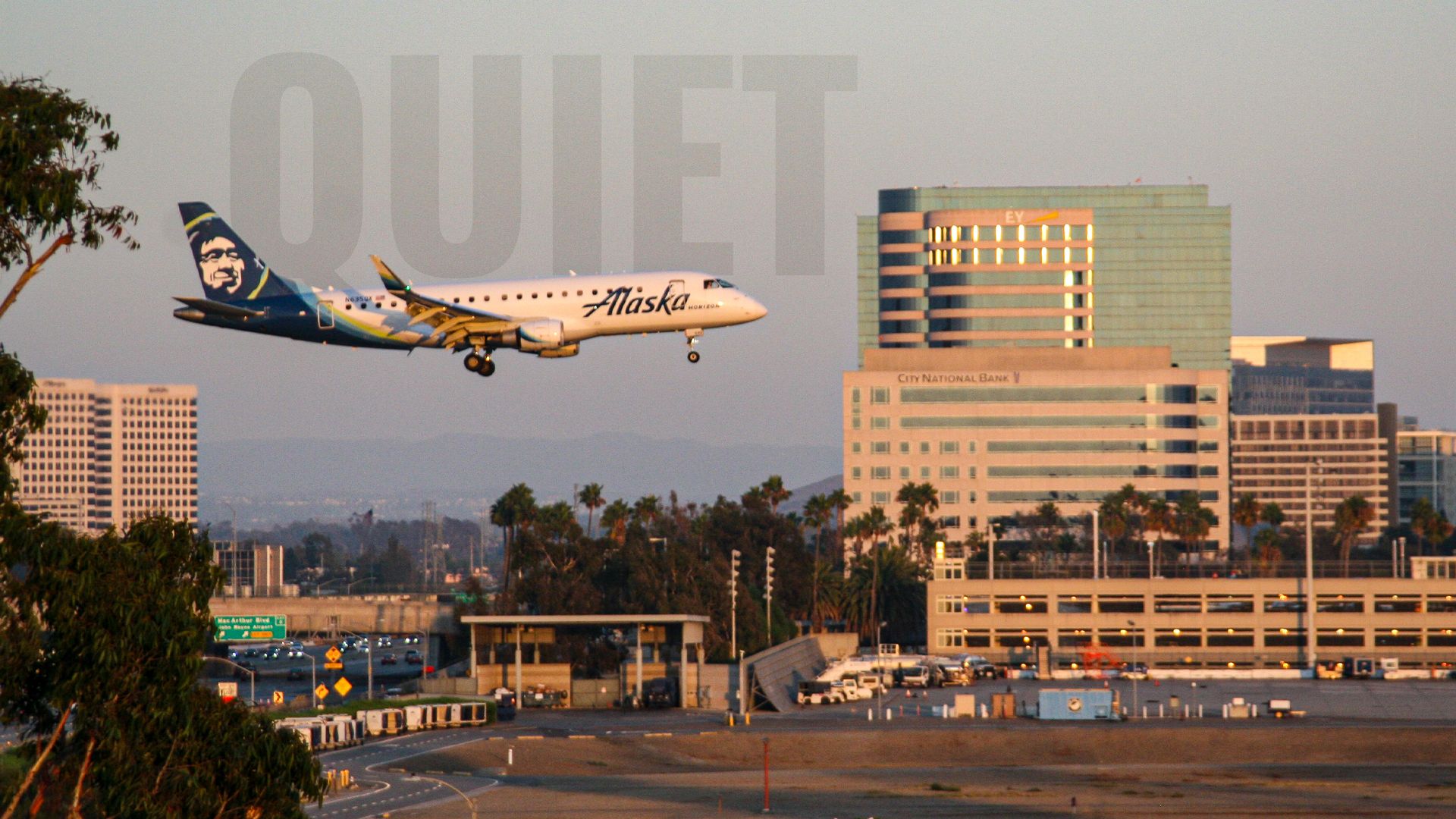
John Wayne Airport in Santa Ana, California, represents one of the strictest noise abatement procedures in the country. Operating under considerable pressure from local residents, the airport enforces a curfew prohibiting departures from 22:00 to 07:00. Aircraft must also adhere to a unique takeoff procedure that ensures steep climbs to minimize noise over residential areas.
As these airports implement various noise reduction strategies, the balance between air travel demand and community tranquility remains a focal point. The ongoing efforts reflect a growing awareness of the importance of responsible aviation practices, responding to community needs while accommodating the complexities of modern air travel.
The focus on reducing airport noise is not only a matter of regulatory compliance but also one of community relations. As airports continue to evolve, maintaining open communication with residents will be essential for fostering positive relationships and ensuring the sustainability of air travel in the long term.