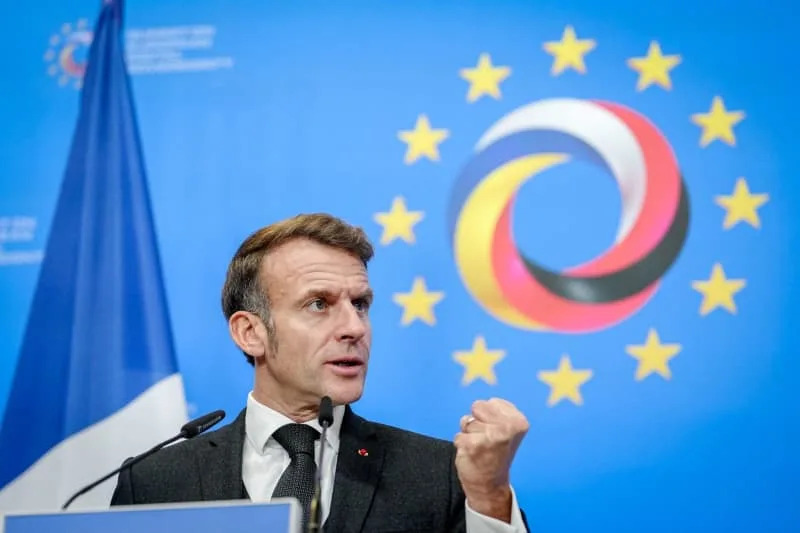
French President Emmanuel Macron commenced his state visit to the People’s Republic of China on March 6, 2024. This multi-day trip aims to strengthen Sino-French relations while addressing significant international concerns. During his visit, Macron will engage with key Chinese leaders, including President Xi Jinping, to discuss a range of topics, including trade policies and the ongoing conflict in Ukraine.
On Thursday, Macron is set to meet with Chinese state and party leaders, as confirmed by China’s Foreign Office. The officials have noted that Xi intends to focus on enhancing Sino-French relations and discussing key international issues, though details of the agenda have not been fully disclosed. The Élysée Palace has indicated that a central theme for France is advocating for a more balanced trade policy from China.
European nations have frequently raised concerns about China’s competitive practices, particularly regarding state subsidies that impact sectors such as electric vehicles, steel, and solar panels. Macron’s discussions will likely include calls for China to adopt fairer trade measures that could benefit both economies.
Addressing the war in Ukraine, Macron plans to urge China to leverage its influence over Russia to facilitate a ceasefire. As one of the few countries with close ties to Russia, China’s role in this context could be pivotal in moving towards peace negotiations.
On Friday, Macron will visit a dam in Chengdu, located in Sichuan province, before concluding his trip and returning to France. This marks Macron’s fourth visit to China, highlighting the importance of the bilateral relationship. His trip follows Xi Jinping’s visit to Europe in 2023, which included a stop in France.
According to Chinese sources, France is currently China’s third most significant trading partner within the European Union, underscoring the economic ties that bind the two nations. As Macron engages with Chinese leadership, the outcomes of these discussions may shape future relations and address pressing global challenges.