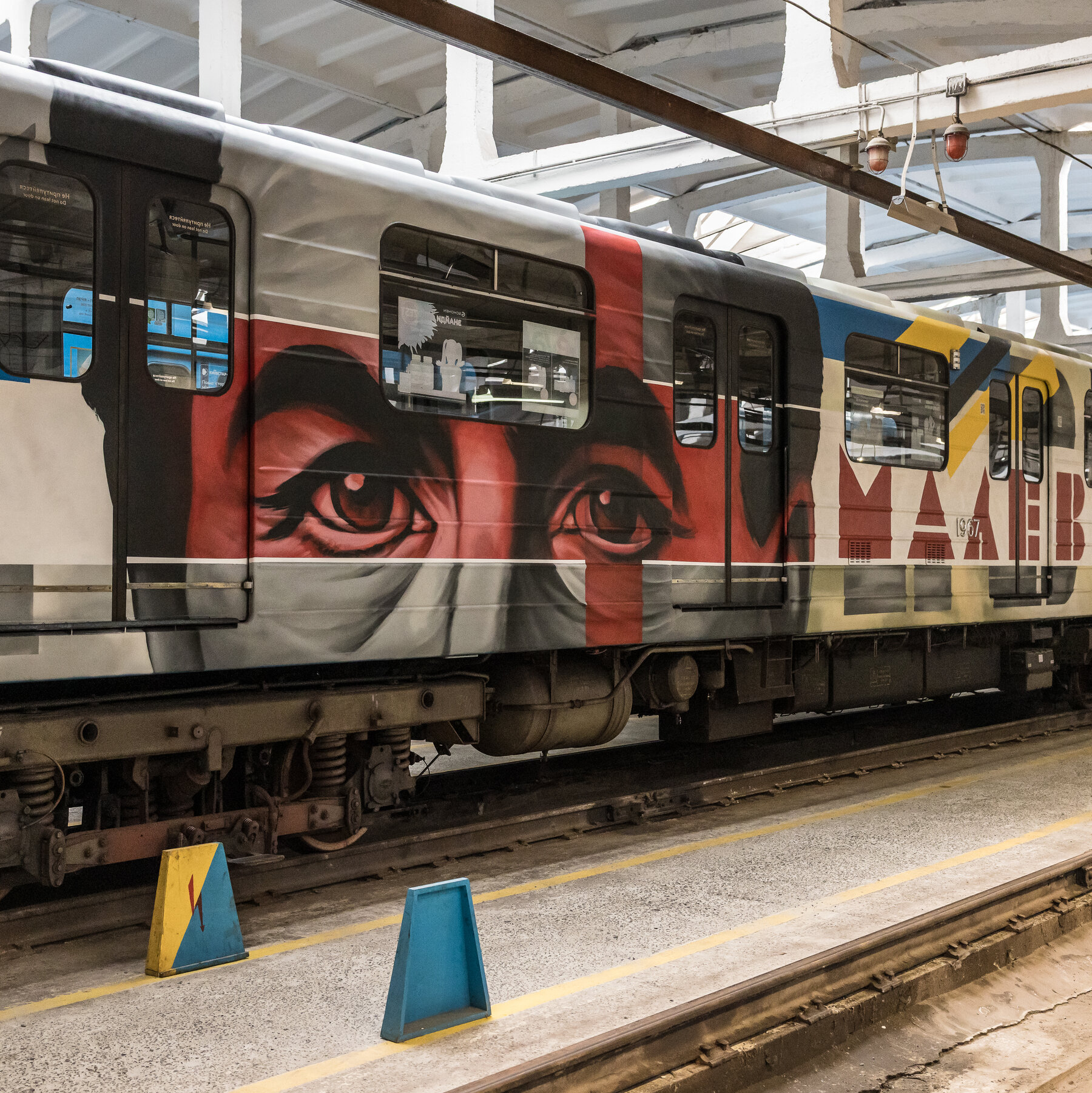
Kyiv is actively redefining the narrative surrounding famed avant-garde painter Kazimir Malevich as part of its broader effort to counter Moscow’s cultural dominance. Authorities in Ukraine are emphasizing Malevich’s Ukrainian heritage, seeking to reclaim his legacy amid the ongoing conflict with Russia.
Born in 1879 in what is now Ukraine, Malevich is best known for his pioneering work in abstract art and the creation of the iconic Black Square. His contributions to the art world are significant, and his association with Ukrainian culture is being highlighted as part of a national cultural renaissance. This initiative aligns with Ukraine’s broader cultural strategy to assert its identity and heritage during a time of war.
Ukraine’s Cultural Renaissance
In recent months, Ukrainian officials have launched campaigns to promote the country’s artists and cultural figures, with Malevich at the forefront. This push aims to enhance national pride while also distancing Ukraine from Russian cultural narratives that have historically overshadowed its own.
Ukrainian Minister of Culture Oleksandr Tkachenko emphasized the importance of recognizing artists like Malevich as integral to the nation’s identity. “Kazimir Malevich is not just a figure in the art world; he is a symbol of our cultural heritage,” Tkachenko stated during a recent exhibition focused on Malevich’s work. The exhibition not only showcases his art but also educates visitors about his Ukrainian roots, reinforcing the notion that Ukraine has a rich cultural history independent of Russian influence.
Global Recognition and Future Endeavors
Art institutions across the globe are also paying attention to this cultural shift. Galleries in Europe and North America are increasingly exhibiting Malevich’s works, often accompanied by discussions about his Ukrainian background. This heightened interest reflects a growing recognition of Ukraine’s cultural contributions, particularly in the face of geopolitical challenges.
Additionally, plans are underway for a major retrospective of Malevich’s work in 2025, which aims to bring together pieces from various collections worldwide. Organizers hope to draw attention to his legacy while reinforcing the narrative of Ukraine as a cradle of avant-garde art.
As the conflict in Ukraine continues, the reclamation of Kazimir Malevich‘s legacy serves as both an artistic and political statement. It is a reminder of the resilience of Ukrainian culture and its importance in the global art narrative. The ongoing efforts in Kyiv not only seek to celebrate Malevich’s contributions but also to inspire a new generation of artists who can further develop and share Ukraine’s unique cultural identity on the world stage.