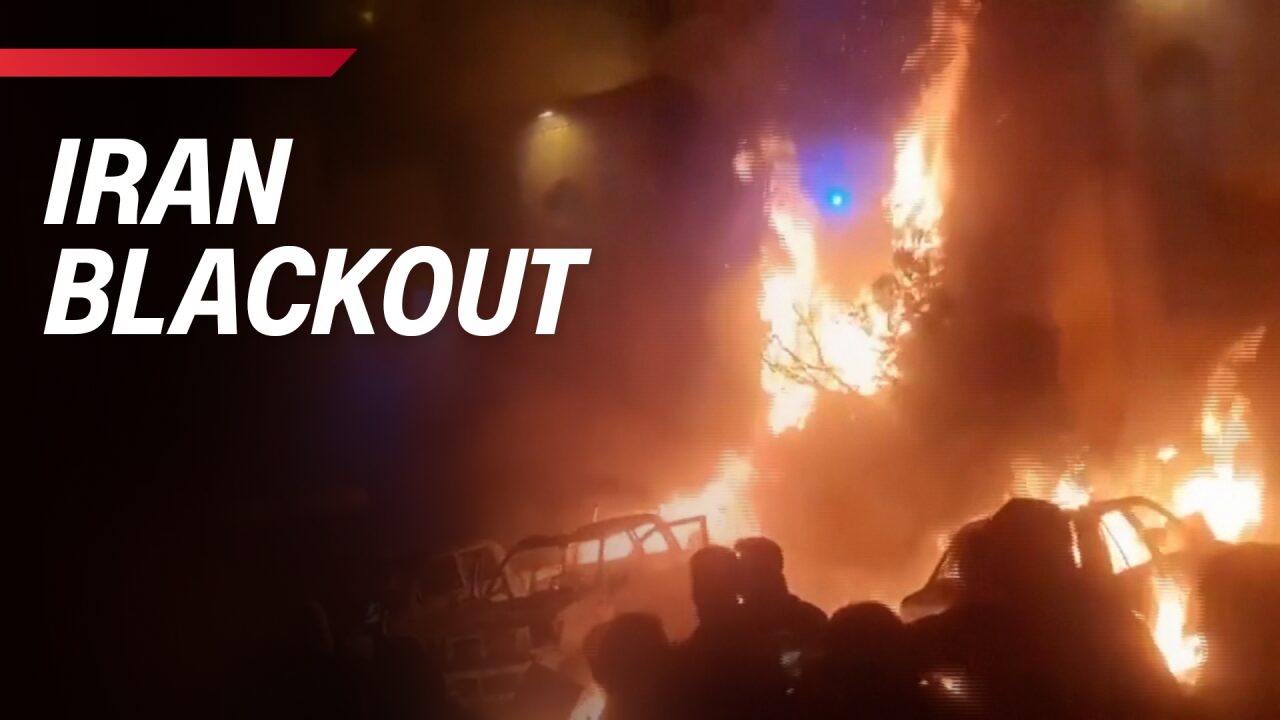
Protests in Iran have entered their second week, prompting a nationwide internet blackout that has now surpassed 36 hours. The unrest, which began on December 28, 2023, has been fueled by rising inflation and public dissatisfaction with the government’s conservative leadership and its security forces. Demonstrations have spread throughout the country, with many citizens demanding change.
In a significant move, Reza Pahlavi, the son of Iran’s last shah who was overthrown during the 1979 Islamic Revolution, has called for a two-day nationwide strike. In a video posted on X, he urged workers in vital sectors such as transportation, oil and gas, and energy to participate in the strike starting Saturday, aligning with the Iranian workweek. Pahlavi’s address is notable as it occurs during a state-imposed internet blackout intended to hinder the flow of information and coordination among protesters.
Pahlavi emphasized the importance of reclaiming public spaces, stating, “I also ask all of you… to come into the streets with flags, images and national symbols and to reclaim public spaces as your own.” He asserted that the previous day’s protests sent a strong message to Iran’s leaders, advocating for the occupation of city centers as a means to amplify their demands for reform.
The extent of Pahlavi’s popularity within Iran remains uncertain. Having been only 16 when his father’s reign ended, he has spent much of his life in exile. Nonetheless, he represents a significant figure for some opposition groups seeking to challenge the current regime.
The internet blackout, which began on Thursday following mass protests in Tehran, has severely restricted Iranians’ ability to communicate and check on loved ones. According to the watchdog organization NetBlocks, the blackout commenced at 8:00 AM local time and has significantly impacted access to information. In a post on its Telegram channel, NetBlocks reported, “Metrics show the nationwide internet blackout remains in place at 36 hours, severely limiting Iranians’ ability to check on the safety of friends and loved ones.”
As the protests persist, the situation in Iran underscores the growing discontent among citizens frustrated with economic challenges and governmental repression. The future of these demonstrations, and whether they will lead to significant change, remains to be seen as protests continue to unfold across the nation.