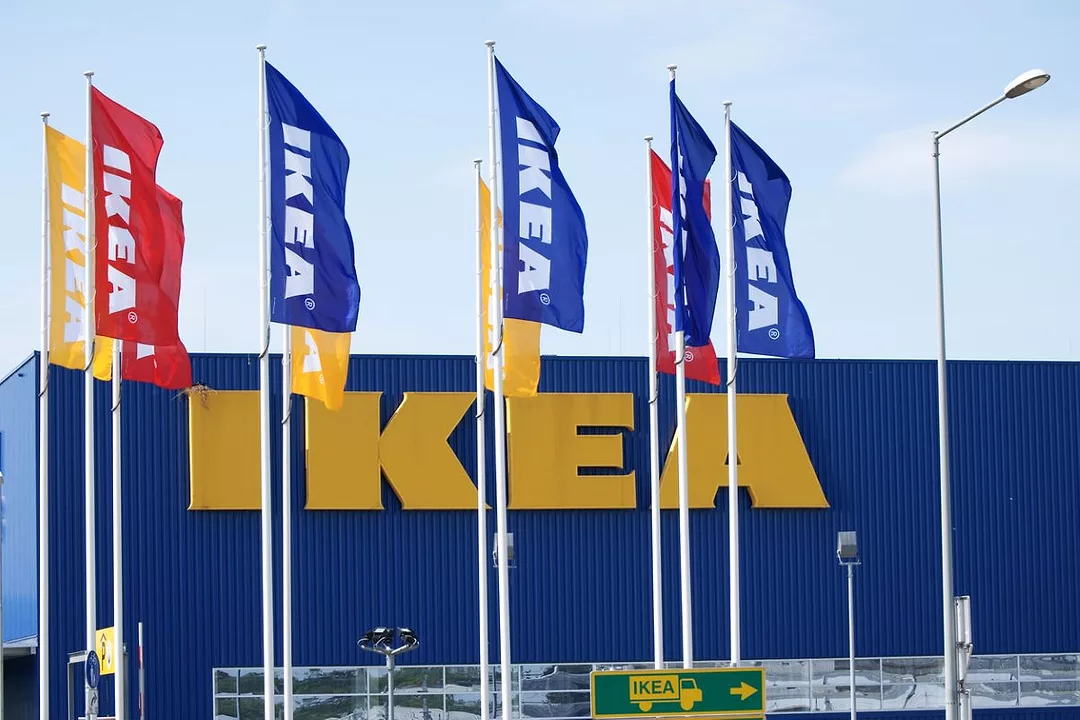
The Ingka Group, the primary retailer of the IKEA brand, has launched an innovative strategy to reduce transport emissions by utilizing boats on the Seine River in Paris. This initiative is part of the company’s broader goal to achieve a 50% reduction in carbon dioxide equivalent (tCO2e) emissions by 2030 and to reach net zero by mid-century. By focusing on regions with supportive regulatory environments for zero-emissions vehicles, Ingka aims to improve its sustainability efforts.
In its transition plan, the company faces a significant challenge with Scope 3 emissions, which accounted for an astounding 98% of the 30 million tons of tCO2e emitted in 2016, the baseline year for its net-zero target. To address this, Ingka is investing in electric and alternative-fuel vehicles, with a goal to raise the share of home deliveries completed by zero-emissions vehicles from 40% to 90% by 2028. Additionally, the company is increasing the number of pick-up locations near customers’ homes to facilitate more sustainable delivery options.
Reducing Transport Emissions and Increasing Efficiency
Transport-related emissions represent Ingka’s third-largest component of Scope 3 emissions. This category includes emissions from delivery services, as well as travel related to customers, employees, and business activities. Since the 2016 baseline, Ingka has managed to reduce its transport emissions by only 13%, amounting to 2.3 million tCO2e. Alarmingly, these emissions have slightly increased from 2023 to 2024, underscoring the ongoing challenges the company faces. Ingka’s transition plan outlines an additional 40% reduction target by 2030, aiming to bring emissions down to 1.6 million tCO2e.
Despite these ambitious targets, the retail sector is grappling with broader challenges. According to a report by Trellis.com, at least half of the world’s largest retailers do not have a formal net-zero target. For instance, while Walmart, the largest retailer globally, has been recognized for its efforts in supply chain decarbonization, it continues to struggle with delivering on its short-term commitments. Walmart’s advantage lies in its close relationships with suppliers, yet it operates with at least 100,000 purchasing partnerships, vastly outnumbering Ingka’s 1,500 suppliers.
Strategic Supplier Relationships and Climate Footprint
The climate impact of Ingka’s operations is heavily influenced by its product offerings. Approximately 81% of its climate footprint stems from IKEA foods and products. This focus on a smaller number of suppliers may provide Ingka with a strategic advantage in implementing climate initiatives compared to larger retailers with numerous purchasing relationships.
As Ingka Group continues to navigate the complexities of reducing its carbon footprint, its innovative approaches, such as utilizing waterways for transport, highlight a commitment to sustainability. The company’s ongoing efforts to increase the effectiveness of home deliveries while investing in emerging technologies reflect a proactive stance in addressing climate change challenges in the retail sector. With clear targets set for the coming years, Ingka aims to not only transform its operations but also contribute positively to the global fight against climate change.