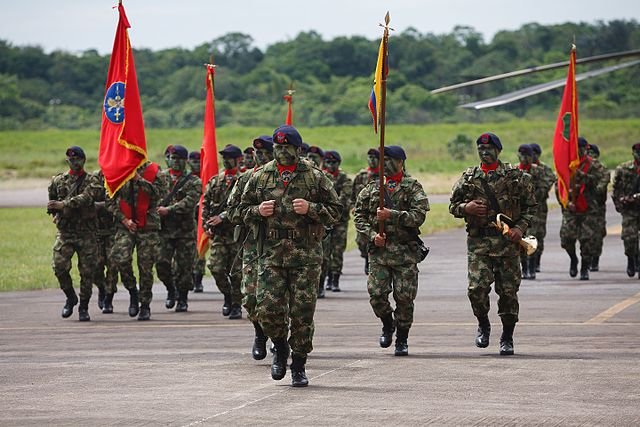
Human Rights Watch (HRW) has condemned the actions of armed groups in Colombia’s southern state of Putumayo, highlighting severe human rights violations against civilians, particularly Indigenous communities. In a report released on September 29, 2023, HRW’s Americas Director, Juanita Goebertus, stated that these groups are exploiting ongoing peace talks to solidify their control over local populations.
Goebertus emphasized that while the Colombian government focuses on reducing coca crops, armed groups are imposing their own regulations and severely punishing those who refuse to comply. During HRW’s visit to regions like Puerto Asís, Mocoa, Orito, and La Hormiga, victims expressed their fear of reprisals and described dire circumstances. Many residents have been coerced into concealing the extent of violence, including burying homicide victims to hide the crimes.
The atmosphere of fear has forced some villagers to participate in protests, such as the “Araña” movement, which demanded the release of armed group leaders like Geovany Anés Rojas. Reports from humanitarian workers and Indigenous authorities indicate that individuals have been compelled to cultivate coca and supply it to these armed factions.
The situation is exacerbated by alarming practices, including the recruitment of child soldiers through rural schools and social media. Armed groups have also enforced curfews and restricted cultural practices within Indigenous communities, further deepening the crisis.
Government Response and Peace Initiatives
The challenges in Putumayo have persisted for years, prompting the Colombian government, led by President Gustavo Francisco Petro Urrego, to pursue peace negotiations in 2023. The initiative seeks to engage in transparent dialogues with armed groups, which the government identifies as having both political and criminal motives. The objective is to reduce violence in exchange for judicial benefits.
Despite some advancements, including recent agreements with the armed group known as the Estado Mayor of Blocs and Fronts (EMBF), HRW argues that much more needs to be accomplished. The agreements cover six major points, including conflict de-escalation, land and environmental access priorities, and measures to stop child recruitment.
A report from the United Nations Security Council, released in early 2024, further underscores the severity of the situation, detailing distressing abuses against children, including attacks on schools and kidnappings. Indigenous children and those from African descent in rural areas have frequently been subjected to sexual harassment and violence, sometimes resulting in fatalities during crossfire incidents.
Impact on Civilians and Humanitarian Concerns
The conflict has led to a staggering increase in mass displacement, with displacements in Putumayo rising by over 1,000 percent from 2022 to 2023. This surge has significantly affected the livelihoods of local civilians, compounding the humanitarian crisis in the region.
As violence escalates, the urgency for effective intervention and sustainable peace remains critical. The international community, alongside local and national authorities, faces the daunting task of addressing these human rights abuses and restoring safety and stability for vulnerable populations in Colombia.