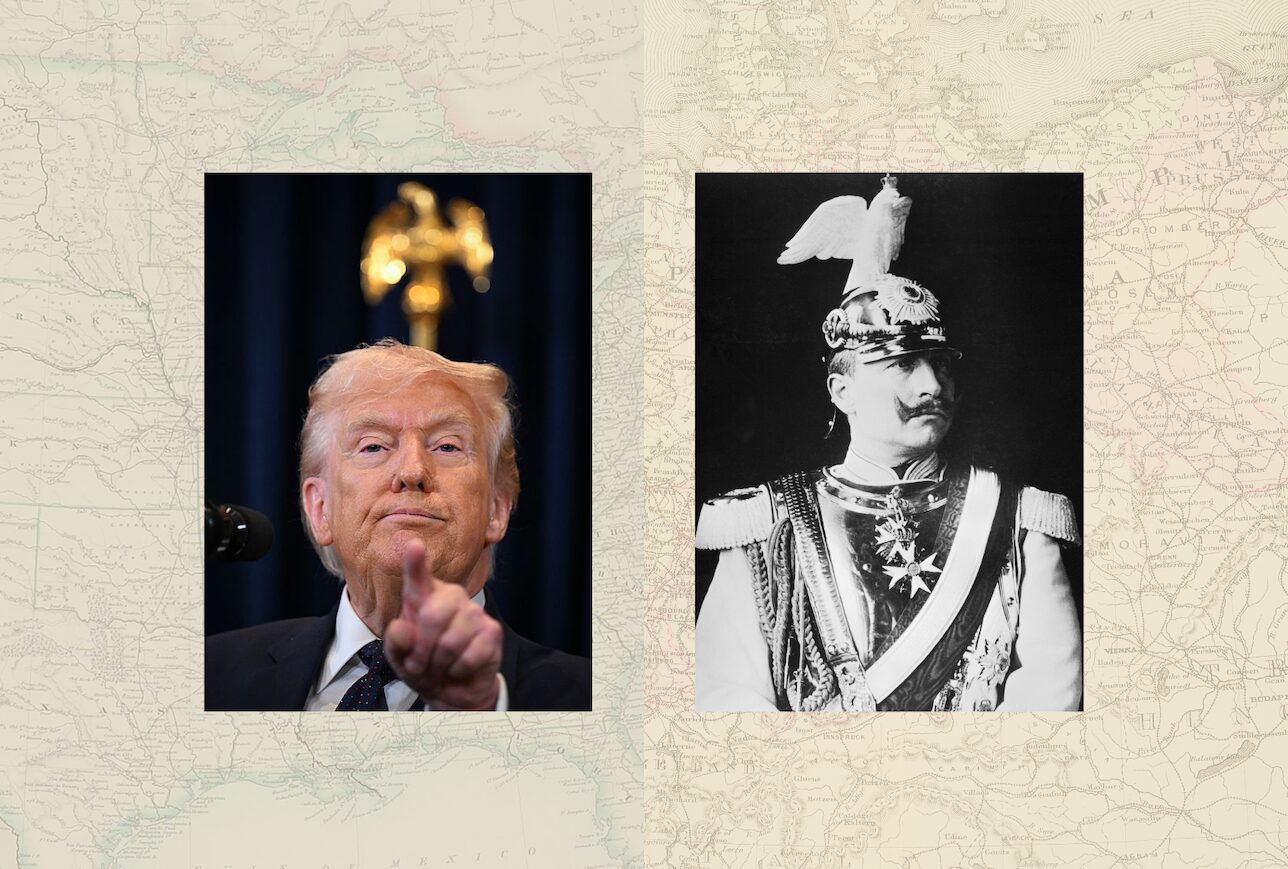
The parallels between historical figures and contemporary leaders often reveal uncomfortable truths. A recent examination draws comparisons between Kaiser Wilhelm II, the last emperor of Germany, and current U.S. President Donald Trump. Both leaders exhibit traits of narcissism and grandiosity, leading to significant global repercussions. This analysis highlights how such personalities can influence international relations and lead nations into conflict.
Historical Context and Leadership Styles
Kaiser Wilhelm II ruled Germany during a tumultuous period leading up to World War I. His reign was characterized by a grandiose self-perception and an inflated sense of his historical importance. Wilhelm proposed numerous outlandish military strategies that often went ignored by his advisers. He was known for his love of military spectacle and considered himself a strategic genius despite lacking the necessary experience.
Wilhelm’s public remarks frequently incited international outrage, leading to crises that his subordinates had to manage. Ultimately, his decisions contributed to a catastrophic war that not only damaged his reputation but also had profound and lasting effects globally. Historians like Christopher Clark have noted that Wilhelm’s personality was erratic and superficial, lacking the seriousness needed for effective governance.
In contrast, Donald Trump entered the political arena by positioning himself as a champion of the “forgotten American,” promising to challenge the established political order. His approach mirrored Wilhelm’s grandiosity, believing in his ability to reshape the political landscape through sheer force of personality. Trump’s impulsive decisions and inflammatory rhetoric have drawn parallels to Wilhelm’s reign, suggesting a concerning trend in leadership styles.
Comparative Analysis of Impact
While both leaders share striking similarities, there are notable differences that illuminate the current political climate. Wilhelm, despite his flaws, showed some inclination towards reform, advocating for labor rights and a welfare state in an attempt to stabilize the German Empire. His support for social reforms indicates a level of engagement with the needs of his populace, albeit misguided.
Conversely, Trump’s leadership has often been marked by a disregard for established political norms and a focus on personal acclaim. His approach has resulted in a fractured political landscape, raising questions about the functionality of U.S. democracy in 2026. The chaotic nature of his administration has drawn comparisons to Wilhelm’s rule, where unchecked authority led to disastrous decisions.
Both leaders’ impulsive behaviors are evident in their foreign policy proposals. Wilhelm’s ambition led to absurd military plans, such as potential invasions of Cuba and even New York. Similarly, Trump’s controversial ideas, such as the suggestion to use nuclear weapons against hurricanes, reflect a troubling lack of foresight and understanding of global dynamics.
The historical record indicates that while Wilhelm’s actions contributed to the outbreak of World War I, they did not pose the same immediate threat to international stability as Trump’s actions have in recent years. The implications of Trump’s decisions, particularly regarding military engagements, echo the reckless tendencies seen in Wilhelm’s leadership.
Kaiser Wilhelm II remains a controversial figure, often criticized for his impulsivity and lack of serious political engagement. Yet, in a curious twist of fate, some historians argue that his Germany was closer to functioning as a democracy than the current state of U.S. politics. The irony is palpable, as the U.S. grapples with a leadership that has proven to be volatile and self-serving.
In conclusion, the comparison between Kaiser Wilhelm II and Donald Trump serves as a cautionary tale about the dangers of narcissistic leadership. As history shows, such traits can lead nations into conflict and instability, with consequences that resonate far beyond their borders. The lessons learned from the past remain relevant today, urging vigilance against the allure of grandiosity in political leadership.