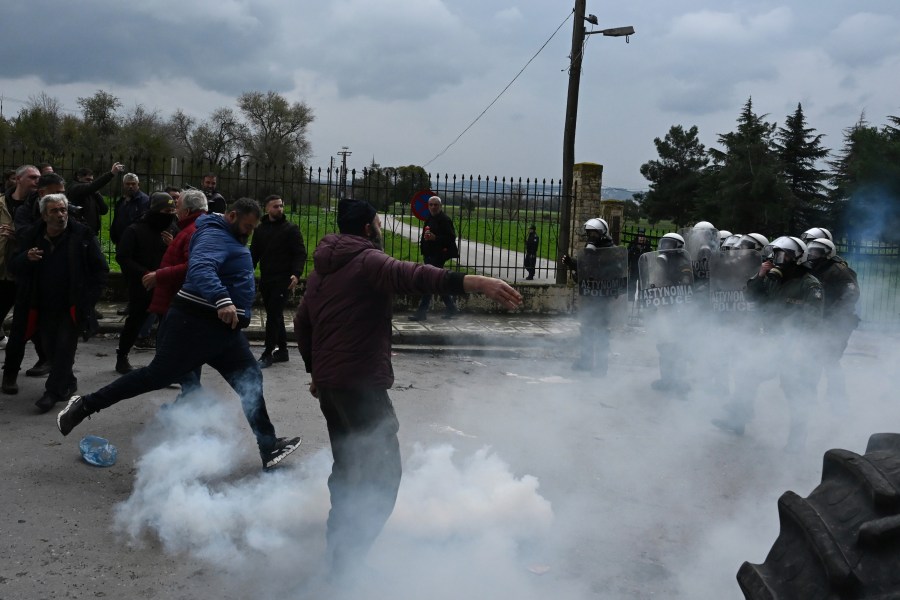
Protests erupted in Thessaloniki, Greece’s second-largest city, as farmers clashed with riot police on March 15, 2024. The farmers aimed to block the main access road to the city’s international airport in response to delays in receiving European Union-backed agricultural subsidies. Tensions escalated when police deployed tear gas to disperse the demonstrators, who had mobilized thousands of tractors and agricultural vehicles at key border crossings.
The protests stem from a growing frustration among farmers over the slow disbursement of funds that are crucial for their livelihoods. Many farmers depend heavily on these subsidies, which are intended to support agricultural development and sustain their operations. According to local reports, the farmers feel neglected by the government and are demanding immediate action to resolve the situation.
Farmers Mobilize Across Greece
The demonstration in Thessaloniki is part of a broader movement, with farmers from various regions participating in similar protests. Tractors have been seen blocking roads and border crossings, effectively disrupting transport and trade across the region. Farmers argue that the delays in subsidy payments have left them in dire financial straits, with many struggling to meet their expenses and obligations.
In response to the protests, a spokesperson for the Greek government stated that it is working to expedite the payments but acknowledged the complexities involved in processing the subsidies. The spokesperson emphasized the government’s commitment to supporting the agricultural sector and urged farmers to engage in dialogue rather than resorting to blockades.
The European Union has also been involved in the discussions, as these subsidies are part of a broader framework designed to promote sustainable agriculture across member states. The EU has reiterated its support for farmers and is monitoring the situation closely.
Impact on Local Economy and Travel
The protests have significant implications for the local economy, particularly in Thessaloniki, a city that relies heavily on tourism and trade. The blockade of the main access road to the airport has raised concerns about potential disruptions for travelers and businesses alike. Local authorities are working to mitigate the impact of the protests while ensuring that public safety is maintained.
As the situation continues to develop, farmers have expressed their determination to press their demands until they see tangible results. Many are prepared to escalate their protests if necessary, indicating that the issue of delayed payments is far from resolved.
As Greece grapples with these challenges, the outcome of this conflict may have lasting effects on the relationship between farmers, the government, and the European Union.