The Glasgow Film Festival (GFF) is celebrating minority languages in the United Kingdom through world premieres of films highlighting Welsh and Scottish Gaelic. This year’s festival features a dedicated program focusing on these languages, which organizers believe resonate with audiences eager for unique narratives. “I’m really pleased with this mini-strand that has naturally sprung up in GFF’s programming this year, focusing on minority U.K. languages,” said Paul Gallagher, head of programming, in an interview with The Hollywood Reporter.
One of the standout films is Sailm nan Daoine (Psalms of the People), a documentary directed by Jack Archer. The film follows Scottish Gaelic psalm precentor Rob MacNeacail as he embarks on a musical journey through Scotland and Ireland, celebrating the cultural heritage of psalm singing. Gallagher emphasized the film’s significance, stating, “While traditional Gaelic psalm singing is a bit of a niche interest, Psalms of the People captures both its importance as part of Scottish culture and heritage, and its unique power as a community activity.”
Archer aims to connect deeply with local culture, asserting that specificity enhances universality. “If you’re specific about someone’s own situation and their own story, then people can relate to it,” he explained. He also noted that the rise of globalization and streaming platforms has made minority language films more accessible. “Audiences are so used to reading subtitles… making a film in a minority language isn’t the barrier that it maybe once used to be.”
The film benefited from support by BBC Alba, a Scottish Gaelic-language television channel that launched in 2008. Archer highlighted the importance of subtitles to engage a broader audience, affirming that the film not only showcases the beauty of psalm singing but also weaves together the words and sounds that contribute to a deeper understanding of culture. “One thing about Gaelic culture that lends itself to cinema, in particular, is the musicality of it,” he noted, suggesting that music permeates various aspects of life.
Archer and MacNeacail have previously collaborated, and their shared interests in culture, language, and music promise potential future projects. Reflecting on their past discussions, Archer recounted receiving an email from MacNeacail detailing a memorial for his father where psalms were sung. This moment became a catalyst for creating a film that addresses the challenges of preserving the Gaelic language. MacNeacail’s initiative to foster a supportive environment for Gaelic speakers highlights a broader goal of cultural preservation.
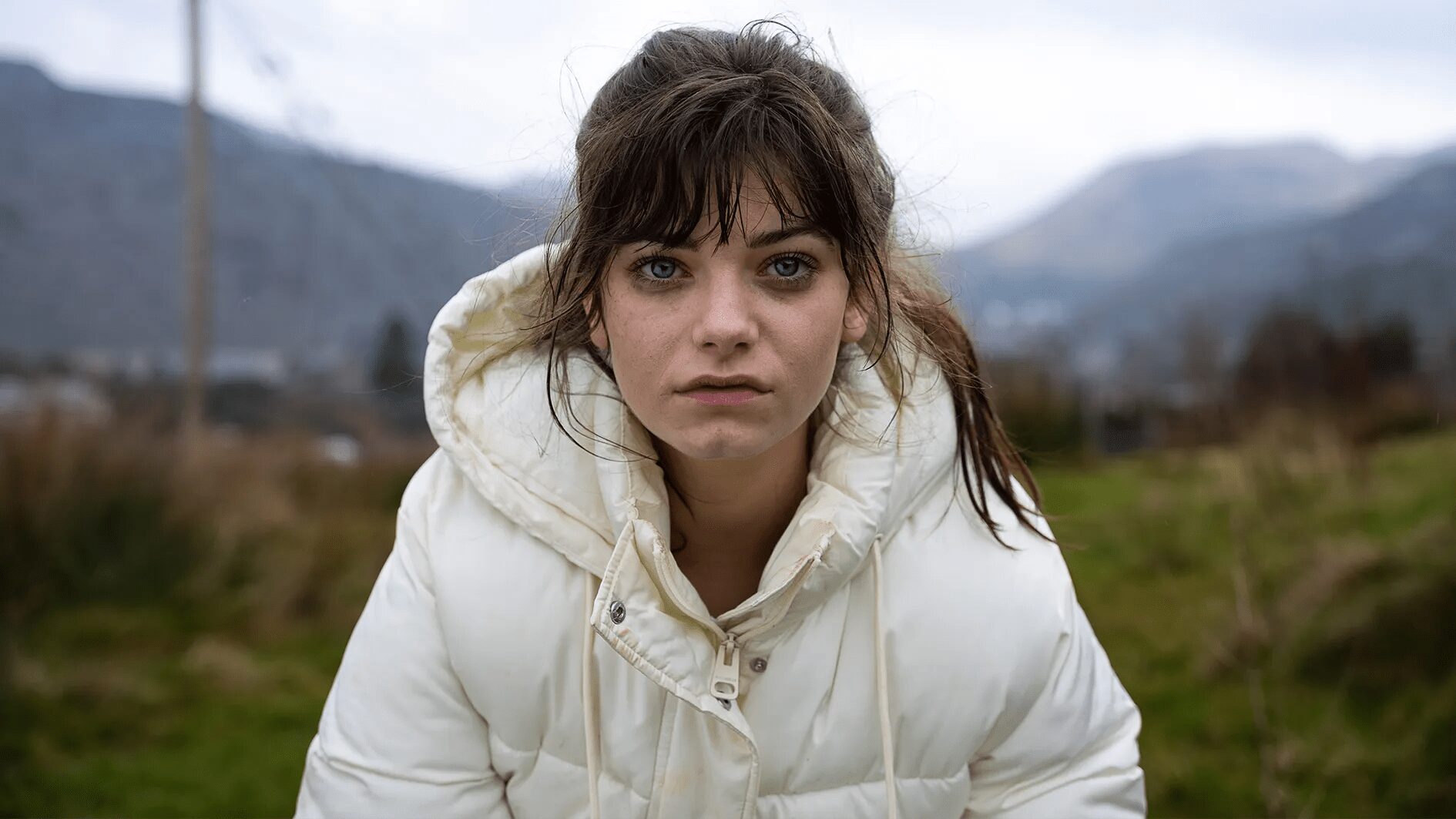
In a parallel narrative, Effi o Blaenau, a Welsh-language feature directed by Marc Evans, also premiered at the festival. The film stars Leisa Gwenllian as Effi, a young woman navigating life in rural Wales. Evans expressed a shared sentiment with Scottish filmmakers, aiming to tell stories in small languages that can resonate universally. “I hope it’s a way that people might discover ours,” Evans remarked.
Evans’ film, based on Gary Owen’s monodrama, illustrates the journey from a classical narrative to a contemporary Welsh-language drama. He emphasized the significance of location, shooting in Blaenau Ffestiniog, a town where Welsh is commonly spoken. “I was really lucky when I found Gwenllian,” he said of his lead actress, highlighting her training and natural fit for the role.
Both films reflect the vibrancy of minority languages in cinema and their potential to reach wider audiences. The GFF, which opened on February 15, 2024, and runs until March 8, serves as an ideal platform for these narratives, particularly given the strong Gaelic-speaking community in Glasgow.
As the festival continues, the intersection of film, culture, and language remains a focal point, showcasing the richness of stories that often go untold. Through the lenses of both Archer and Evans, these films invite audiences to explore the depth of cultural identity and the power of language in storytelling.