Dr. William Foege, a pivotal figure in the fight against infectious diseases and a key architect of the global eradication of smallpox, passed away on March 11, 2023, at the age of 89 in Atlanta. His death was confirmed by the Task Force for Global Health, an organization he co-founded.
Foege, who stood at an impressive height of 6 feet 7 inches, was known for his calm demeanor and sharp intellect. His approach to public health was characterized by innovative strategies that significantly advanced global health initiatives. He served as the director of the U.S. Centers for Disease Control and Prevention (CDC) from 1977 to 1983, where he played a crucial role in campaigns addressing various international health challenges.
Recognized for his groundbreaking work, Foege’s most notable achievement came during his early career. While serving as a medical missionary in Nigeria during the 1960s, he developed the “ring containment” strategy. This method involved swiftly identifying smallpox cases and vaccinating individuals who had contact with the infected. Faced with limited vaccine supplies, Foege’s innovative approach became essential in controlling outbreaks, which he detailed in his 2011 book, House on Fire.
The success of this strategy contributed significantly to the near-total eradication of smallpox globally. The last naturally occurring case of the disease was reported in Somalia in 1977, and in 1980, the World Health Organization declared smallpox officially eradicated.
Dr. Tom Frieden, a former director of the CDC, emphasized Foege’s monumental impact on global health, stating, “If you look at the simple metric of who has saved the most lives, he is right up there with the pantheon. Smallpox eradication has prevented hundreds of millions of deaths.”
Born on March 12, 1936, in Colville, Washington, Foege’s journey into medicine began at the age of 13 while working at a local drugstore. He earned his medical degree from the University of Washington in 1961 and a master’s in public health from Harvard University in 1965. After his tenure at the CDC, he continued to influence public health as executive director of The Carter Center and as a senior fellow at the Bill and Melinda Gates Foundation.
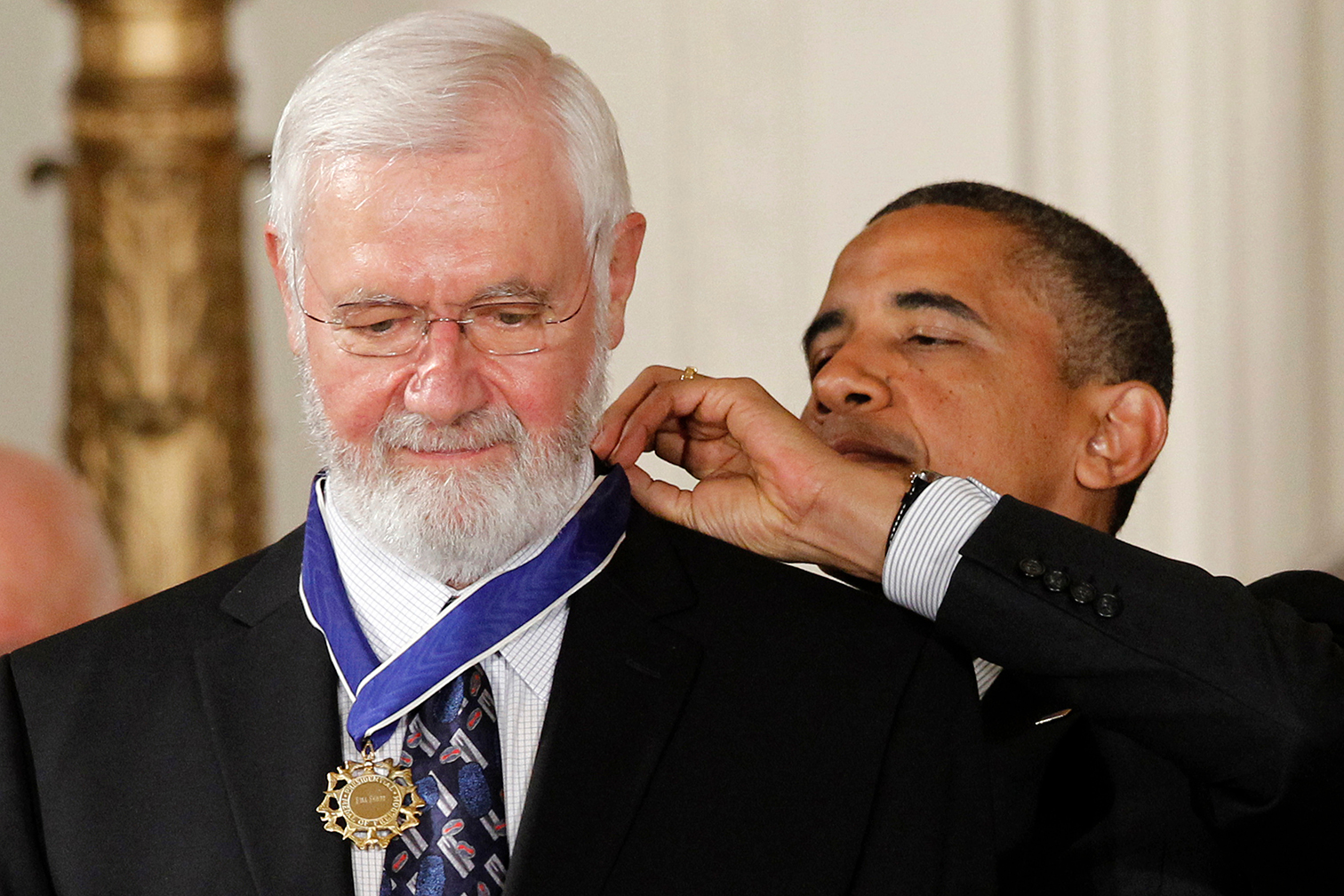
In recognition of his contributions to public health, Foege received the Presidential Medal of Freedom from Barack Obama in 2012. During a ceremony at Duke University, where he was awarded an honorary degree, Richard Brodhead, the university president, referred to Foege as “the Father of Global Health.”
Dr. Patrick O’Carroll, CEO of the Task Force for Global Health, expressed deep admiration for Foege’s dedication, stating, “Bill Foege had an unflagging commitment to improving the health of people across the world, through powerful, purpose-driven coalitions applying the best science available. We try to honor that commitment in every one of our programs, every day.”
Foege’s legacy will endure through the lives he saved and the health systems he helped to strengthen globally. His innovative thinking and humanitarian spirit have left an indelible mark on public health, inspiring future generations to continue the fight against infectious diseases.